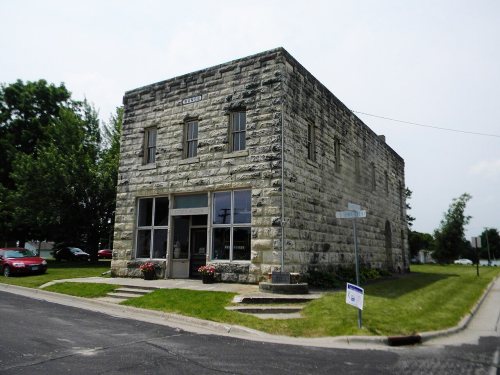
A post office called Eitzen has been in operation since 1868. A share of the early settlers being natives of Eitzen, Germany, caused the name to be selected.
Passages that mention Eitzen, cut from the printed page as they were published.
History of Houston County, Including Explorers and Pioneers of Minnesota1882 · page 501Read the page →
Read the text
taught by Miss Lizzie Williams, now Mrs. Eugene Marshall, of Caledonia. In 1866, a stone schoolhouse was erected in the center of section thirty - two, near Eitzen. The first school in that building was taught by Miss J. C. Jones, now Mrs. E. Stevens, at $18 per month, and was commenced on the 12th of August, 1867. This house was subsequently burned, but was rebuilt and enlarged
Text read by machine from the scan; it may contain errors.
History of Houston County, Minnesota1919 · page 191Read the page →
Read the text
Eitzen is a flourishing village on the state border. Conrad Lauf er had a farm house in 1865 and occasionally kept travelers. In 1867 he opened a saloon and arranged to accommodate, in a more suitable way, his increasing trade. That same year Charles Hilbert, of La Crosse, put in a small stock of general merchandise, but before long he failed and his goods were sold at auction in Caledonia.
Text read by machine from the scan; it may contain errors.
History of Houston County, Minnesota1919 · page 415Read the page →
Read the text
marriage with Elizabeth Linde, daughter of John and Sophia Linde, a young lady whom he had known in Germany and who had come to America alone in 1869. They began domestic life together in Allamakee county, Iowa, just south of the village of Eitzen, Minn., Mr. Schuldt working by the day as a farm hand, which he continued to do for three years after his marriage. In 1873 he made an independent start in life as a farmer in Crooked Creek township, Houston county, buying 120 acres of land, of which all was wild except two acres. There was, however, a frame house
Text read by machine from the scan; it may contain errors.
History of Houston County, Including Explorers and Pioneers of Minnesota1882 · page 500Read the page →
Read the text
the old wagon road between Spring Grove and New Albin, which, before the construction of the railroad, was very largely traveled. The name is in honor of Eitzen in Germany, from whence some of the early settlers came. Early Business. — Mr. Conrad Laufer had a farm house in 1865, and occasionally kept travelers. This building now does service as a barn.
Text read by machine from the scan; it may contain errors.
Scans and text from the Internet Archive. Books published in 1930 or earlier, which are in the public domain.
Founding dates: Wikidata, Wikipedia, the U.S. post office records of Blevins & Helbock (CC0) and the Census. Homes by year built: Census ACS 2020–24. National Register of Historic Places: National Park Service (list of May 22, 2026). Old photos, postcards and papers: Wikimedia Commons, the Library of Congress and other public archives, credited on each item’s page. Maps: U.S. Geological Survey historical topographic maps (via Esri) and Sanborn fire-insurance maps (Library of Congress). History text and census tables: Wikipedia (CC BY-SA 4.0). Places that used to be: USGS Geographic Names Information System (2021). How TownRatings grades history →
From Wikimedia Commons (4), Wikidata (2), the National Register of Historic Places (1), Wikipedia, U.S. Geological Survey historical maps, U.S. Census counts (via Wikipedia), the US Post Offices dataset (Blevins & Helbock), the USGS Geographic Names Information System and old county and town histories (Internet Archive). Archive images are copied here with their credits and licenses, shown on each photo’s page. Refreshed monthly.
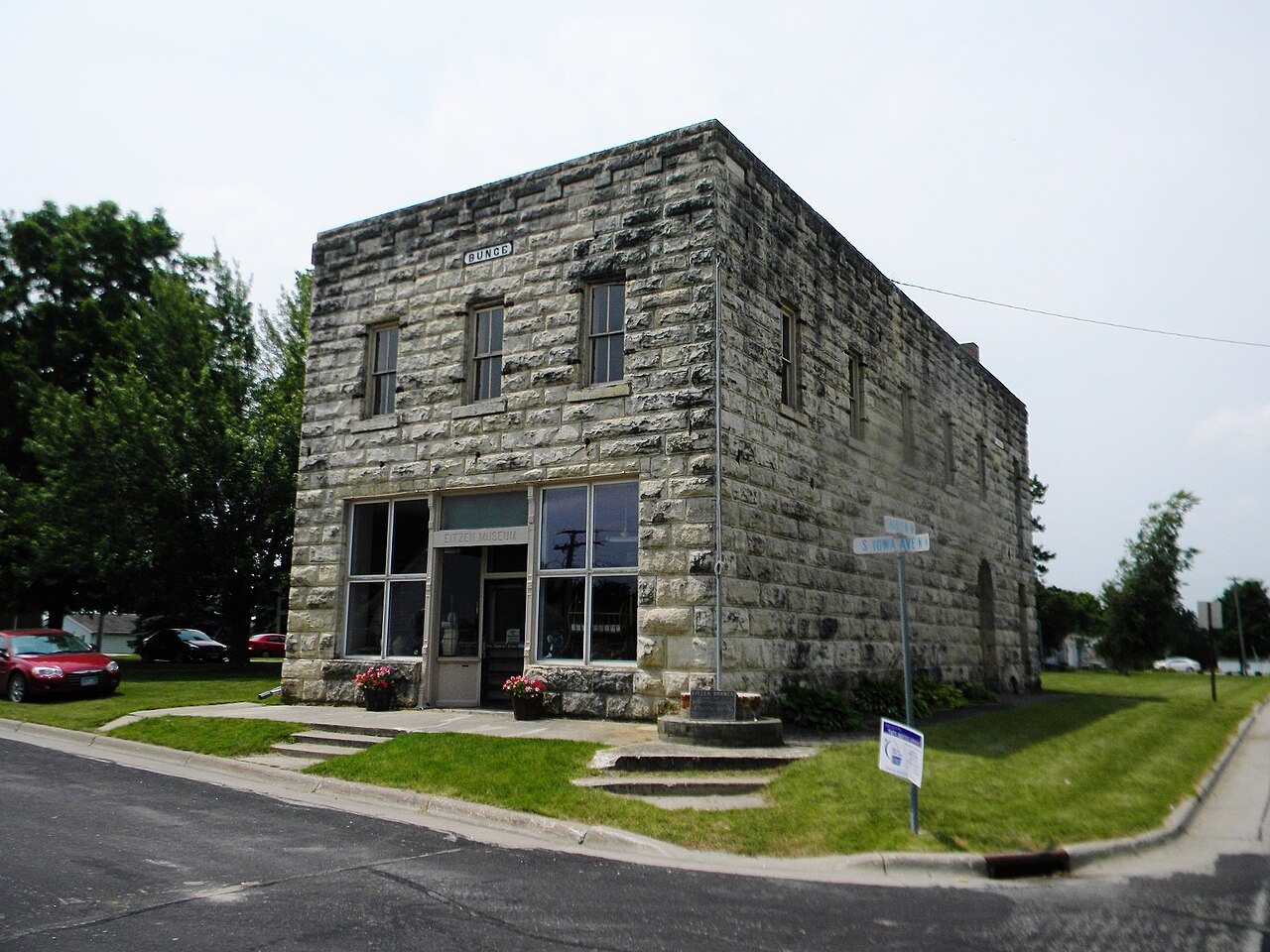


 2024
 2024
 2023
 2014