Crookston’s post office opened in 1872, and 25% of its homes were built before 1940
More historic than 79% of U.S. towns · #25 of 273 in Minnesota. What drives it
4 places in town are on the National Register, among them a historic district with 39 buildings. Below: 13 old photos and papers, maps from 1884 on, and the census since 1880.
The Crookston post office opened in 1872, the earliest record of the town by name. Another post office, Hawley (1872), opened inside today’s city and later closed.
First census: 1,227 in 18802020 census: 7,482154 years
How historic is Crookston?
A−
More historic than 79% of U.S. towns, on its age, its old homes and the National Register.
Founding year: the first Crookston post office (Blevins & Helbock, CC0).The full story ↓
History grade
What drives Crookston’s History grade
On its age, its old homes and the National Register, Crookston is more historic than 79% of U.S. towns, #25 of 273 in Minnesota. Its National Register listings hold the grade up; its age pulls it down.
A−
HistoryA character grade: shown, never part of Crookston’s overall grade.
Minnesota towns list about as much on the Register as the country (a typical Minnesota town has 2.1 per 10,000 residents, the U.S. 2.4), so Crookston’s 57.2 sits above most of its state (95% of Minnesota towns have fewer) while its 42 historic buildings outnumber those of 84% of U.S. towns.
How sure. Graded on any two of the three inputs instead, the letter would range from B to A. The pre-1940 share is a Census survey estimate (±5.3 points). The founding year is the first post office, not a stated founding date.
Founding year: the first post office (other dates in Quick answers). Homes: Census ACS 2020–24. National Register: National Park Service, May 2026 list; each listing counted once (boundary changes and added documentation belong to their listing), and a historic district counts its contributing buildings. How TownRatings grades history →
What stands out about Crookston’s past
Read from the archive, the National Register and the record. The page puts what stands out first.
Fire insurance maps drew every building, what it was made of and what it was used for, so insurers could price the risk of fire. Pick a year, then a sheet.
Crookston was settled around 1872. It was the site of a federal land office by 1876 and sited on a portion of the Great Northern Railway that began operation by 1880. The town was incorporated on April 1, 1879 as "Queen City". By the end of that year, the town had a jail, graded streets, and a few plank sidewalks. Soon, it was decided that the town needed a new name. Two factions emerged supporting two different names. One wished to honor the town's first mayor, Captain Ellerey C. Davis, with the name Davis. Another group picked the name Crookston to honor Col. William Crooks, chief engineer of the Great Northern Railway which was built through the community. The name was reportedly chosen by coin toss.
Passages that mention Crookston, cut from the printed page as they were published.
Compendium of history and biography of Polk County, Minnesota1916 · page 73Read the page →
Read the text
As the Winnipeg firm was "all iu" it was not in condition to purchase the logs, which were hung up on Clearwater River, and this led to the building of the lumber mills at Crookston. A site was selected opposite the city, on the townsite of Carmen, which had only the river between it and the townsite of Crookston. The mill was built and expensive improvemen '^ put in for holding logs. These improvements
Text read by machine from the scan; it may contain errors.
Compendium of history and biography of Polk County, Minnesota1916 · page 197Read the page →
Read the text
In the year last named Mr. Misner gratified his longing by returning to this state and taking up his residence in Crookston. He then became manager of the Wheeler-Misner Loan company, of which he is also secretarj' and treasurer. In addition he is president of the Crookston Investment company and secretary of the Crookston Cordage company, and from March, 1913, to January, 1915, he was president of
Text read by machine from the scan; it may contain errors.
Scans and text from the Internet Archive. Books published in 1930 or earlier, which are in the public domain.
Timeline
Crookston, 1872 to 1991
Woven from the archive, old maps, post office records, the National Register and the people born here.
Nothing in the archives for these yearsWeddings on Main Street, storms, parades, school pictures, the old store. If it’s in your family album, it belongs here.
The Crookston post office opened in 1872, the earliest record of the town by name (U.S. post office records).
How does Crookston rank for history?
Crookston is more historic than 79% of U.S. towns, #25 of 273 in Minnesota. The History grade combines the town’s founding era, the share of homes built before 1940 and its National Register listings. It’s a character grade, so it isn’t part of the overall grade. How it works.
What is on the National Register in Crookston?
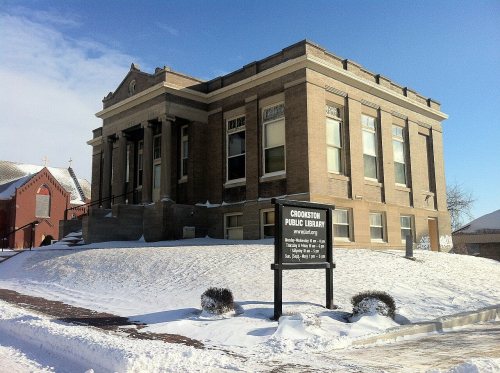
4 listings: 3 buildings, among them the Crookston Carnegie Public Library (listed 1984, the first), and 1 historic district, the Crookston Commercial Historic District, with 39 contributing buildings. 42 historic buildings in all.
How old are the homes in Crookston?
25% of Crookston’s homes were built before 1940 (Census estimate, ±5.3 points), against a typical 8.1% for a Minnesota town; the median home was built in 1966.
Founding dates: Wikidata, Wikipedia, the U.S. post office records of Blevins & Helbock (CC0) and the Census. Homes by year built: Census ACS 2020–24. National Register of Historic Places: National Park Service (list of May 22, 2026). Old photos, postcards and papers: Wikimedia Commons, the Library of Congress and other public archives, credited on each item’s page. Maps: U.S. Geological Survey historical topographic maps (via Esri) and Sanborn fire-insurance maps (Library of Congress). History text and census tables: Wikipedia (CC BY-SA 4.0). Places that used to be: USGS Geographic Names Information System (2021).
From Wikimedia Commons (14), the Library of Congress (2), Wikidata (2), the National Register of Historic Places (4), Wikipedia, Wikidata and Wikipedia for famous people, U.S. Geological Survey historical maps, U.S. Census counts (via Wikipedia), the US Post Offices dataset (Blevins & Helbock), the USGS Geographic Names Information System, Sanborn fire insurance maps (Library of Congress) and old county and town histories (Internet Archive). Archive images are copied here with their credits and licenses, shown on each photo’s page. Refreshed monthly.


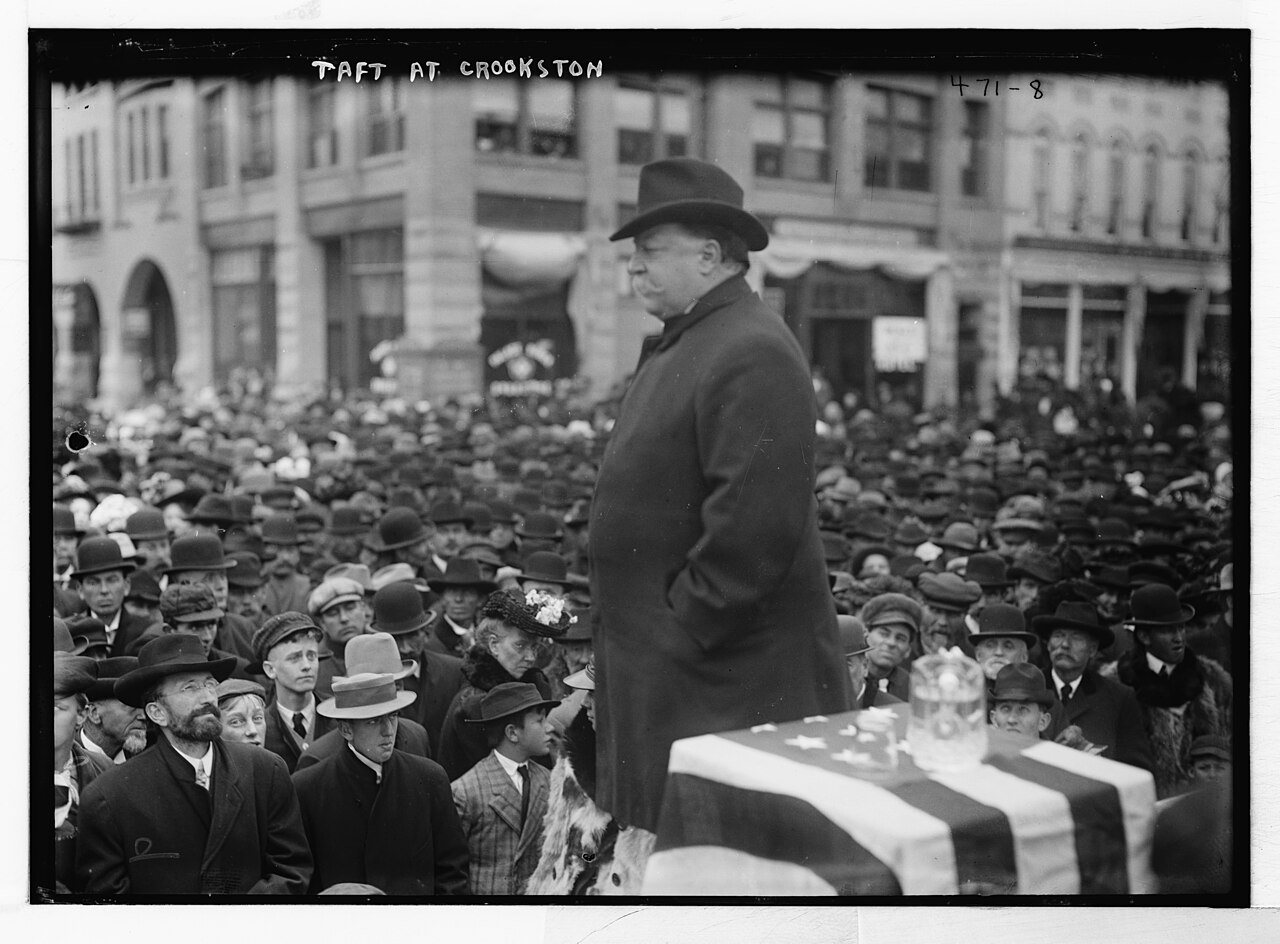




 1908
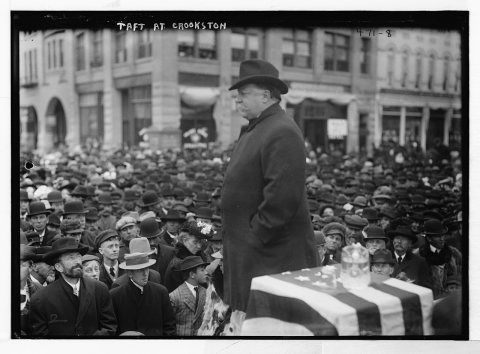 1908
 1908
 1908
 1908
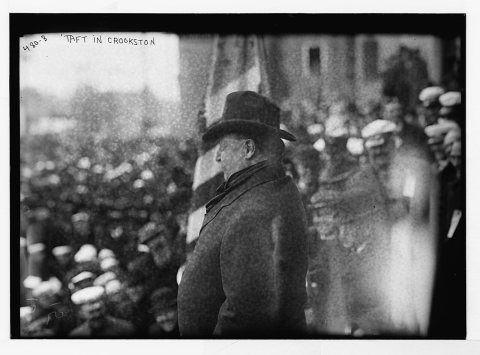 1908
 1908
 1937
 c. 1938
 1996
 2017
 2013
 2012


