Bloomington dates to 1843, and 3 of its places are on the National Register
More historic than 54% of U.S. towns · #95 of 273 in Minnesota. What drives it
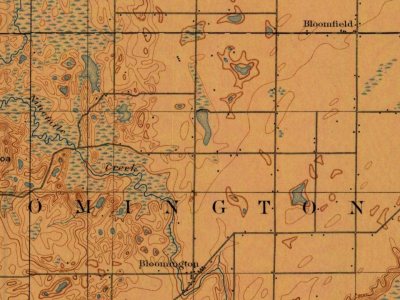
3 places in town are on the National Register, among them a historic district with 1 buildings. Most of Bloomington was built recently: 3% of its homes predate 1940 and the median home dates from 1972. Below: 7 old photos and papers, maps from 1896 on, and the census since 1860.
Founding year: Wikidata. First post office: 1853.The full story ↓
History grade
What drives Bloomington’s History grade
On its age, its old homes and the National Register, Bloomington is more historic than 54% of U.S. towns, #95 of 273 in Minnesota. Its age holds the grade up; its share of homes from before 1940 pulls it down.
B−
HistoryA character grade: shown, never part of Bloomington’s overall grade.
Minnesota towns list about as much on the Register as the country (a typical Minnesota town has 2.1 per 10,000 residents, the U.S. 2.4), so Bloomington’s 0.3 sits near the middle of its state (48% of Minnesota towns have fewer) while its 3 listings outnumber those of 65% of U.S. towns.
How sure. Graded on any two of the three inputs instead, the letter would range from C+ to B+. The pre-1940 share (±0.6 points) is firm at this size. Two sources give 1843.
Founding year: Wikidata (other dates in Quick answers). Homes: Census ACS 2020–24. National Register: National Park Service, May 2026 list; each listing counted once (boundary changes and added documentation belong to their listing), and a historic district counts its contributing buildings. How TownRatings grades history →
What stands out about Bloomington’s past
Read from the archive, the National Register and the record. The page puts what stands out first.
In the 1780s, a village called Titanka Tannina existed in what is now Bloomington, at the mouth of Nine Mile Creek. 'Titanka Tannina' is Dakota for 'the Old Village', likely meaning that Titanka Tannina was the first Dakota community on the Minnesota River. The Chief at that time was Penasha, who would be succeeded by his son, Takuni Phephe Sni. He would then be succeeded by his son, Good Road, in 1833.
In 1843 he took up his final residence in the town of Bloomington, where his home remained until 1862. He was employed by the authorities to use his efforts in saving the lives of settlers, during the outbreak of 1862, and, while engaged in that laudable work, was killed by the Indians, at
Text read by machine from the scan; it may contain errors.
Compendium of history and biography of Minneapolis and Hennepin County, Minnesota1914 · page 227Read the page →
Read the text
Ernest is a resident of Bloomington township and was formerly a school teacher. Julius lives at Bloomington, as do Alfred and Charles. Mary is the wife of E. S. St. Martin, and also has her home in Bloomington. Albert lives in Seattle.
Text read by machine from the scan; it may contain errors.
Compendium of history and biography of Minneapolis and Hennepin County, Minnesota1914Read the page →
Read the text
west of Minneapolis, where the dwelling house he built is ■still standing. He and Thomas Chambers operated a ferry over the river there, and Mr. Dean also engaged in farming and was postmaster at the neighboring village of Bloomington. About 1856 Mr. Dean moved to Minneapolis and conducted the principal building activities of Colonel Franklin Steele, who was then the most prominent man in this locality. After working for Colonel Steele tliree or four years Mr. Dean, in
Text read by machine from the scan; it may contain errors.
derson Lake, in the east, covers about half of sections 13 and 24, the larger part of the lakes extending into the adjoining town of Bloomington. Neal Lake extends across the line dividing sections 23 and 24, and Long Lake, lies northerly and southerly, in sections 2 and 11. Several smaller lakes lie in
Text read by machine from the scan; it may contain errors.
Scans and text from the Internet Archive. Books published in 1930 or earlier, which are in the public domain.
Timeline
Bloomington, 1843 to 1997
Woven from the archive, old maps, post office records, the National Register and the people born here.
Nothing in the archives for these yearsWeddings on Main Street, storms, parades, school pictures, the old store. If it’s in your family album, it belongs here.
In 1843, according to Wikidata. Bloomington’s post office opened in 1853, and the census of 1860 counted 424 people here.
How does Bloomington rank for history?
Bloomington is more historic than 54% of U.S. towns, #95 of 273 in Minnesota. The History grade combines the town’s founding era, the share of homes built before 1940 and its National Register listings. It’s a character grade, so it isn’t part of the overall grade. How it works.
What is on the National Register in Bloomington?
Three places: the Gideon H. Pond House (listed 1970), the Long Meadow Bridge (2013) and the First Presbyterian Church of Oak Grove Cemetery (2014).
How old are the homes in Bloomington?
3% of Bloomington’s homes were built before 1940 (Census estimate), against a typical 8.1% for a Minnesota town; the median home was built in 1972.
Founding dates: Wikidata, Wikipedia, the U.S. post office records of Blevins & Helbock (CC0) and the Census. Homes by year built: Census ACS 2020–24. National Register of Historic Places: National Park Service (list of May 22, 2026). Old photos, postcards and papers: Wikimedia Commons, the Library of Congress and other public archives, credited on each item’s page. Maps: U.S. Geological Survey historical topographic maps (via Esri) and Sanborn fire-insurance maps (Library of Congress). History text and census tables: Wikipedia (CC BY-SA 4.0). Places that used to be: USGS Geographic Names Information System (2021).
From Wikimedia Commons (16), Wikidata (2), the National Register of Historic Places (3), Wikipedia, Wikidata and Wikipedia for famous people, U.S. Geological Survey historical maps, U.S. Census counts (via Wikipedia), the US Post Offices dataset (Blevins & Helbock), the USGS Geographic Names Information System and old county and town histories (Internet Archive). Archive images are copied here with their credits and licenses, shown on each photo’s page. Refreshed monthly.


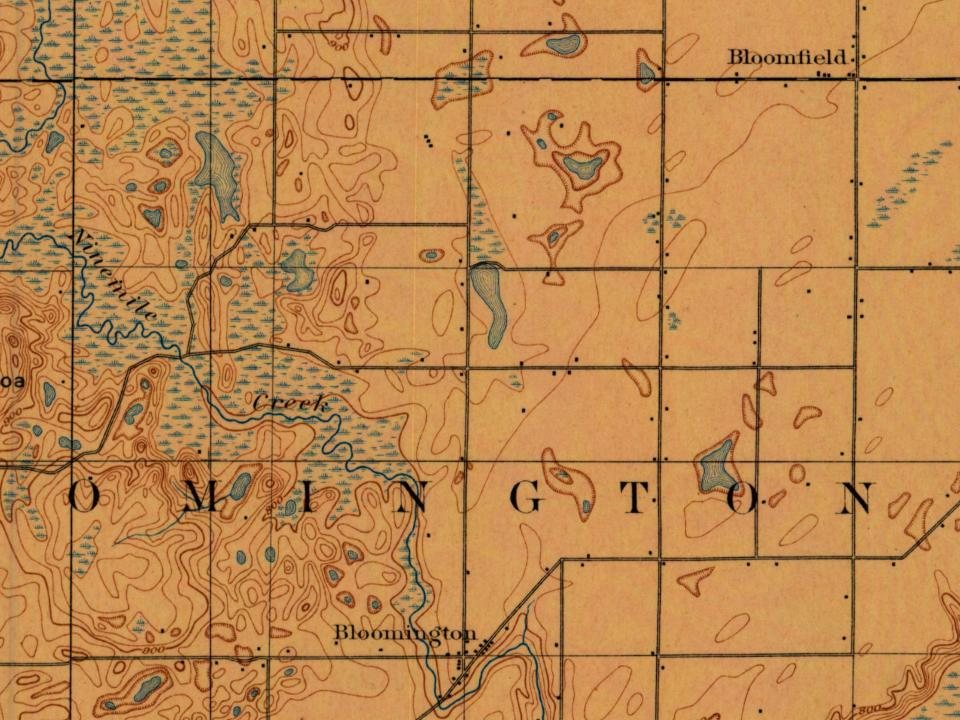
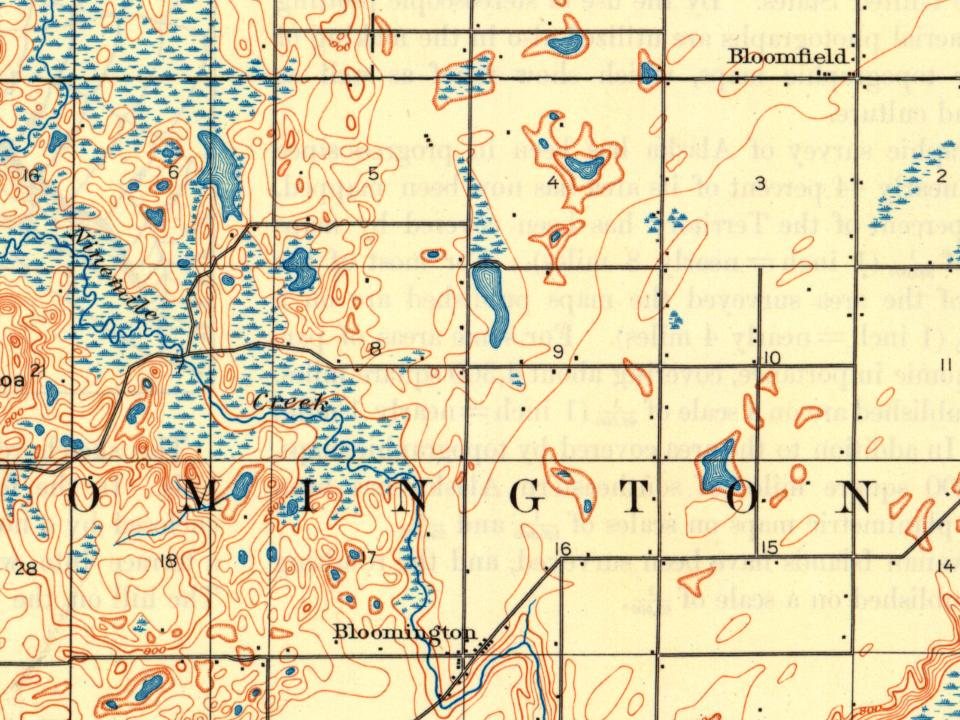
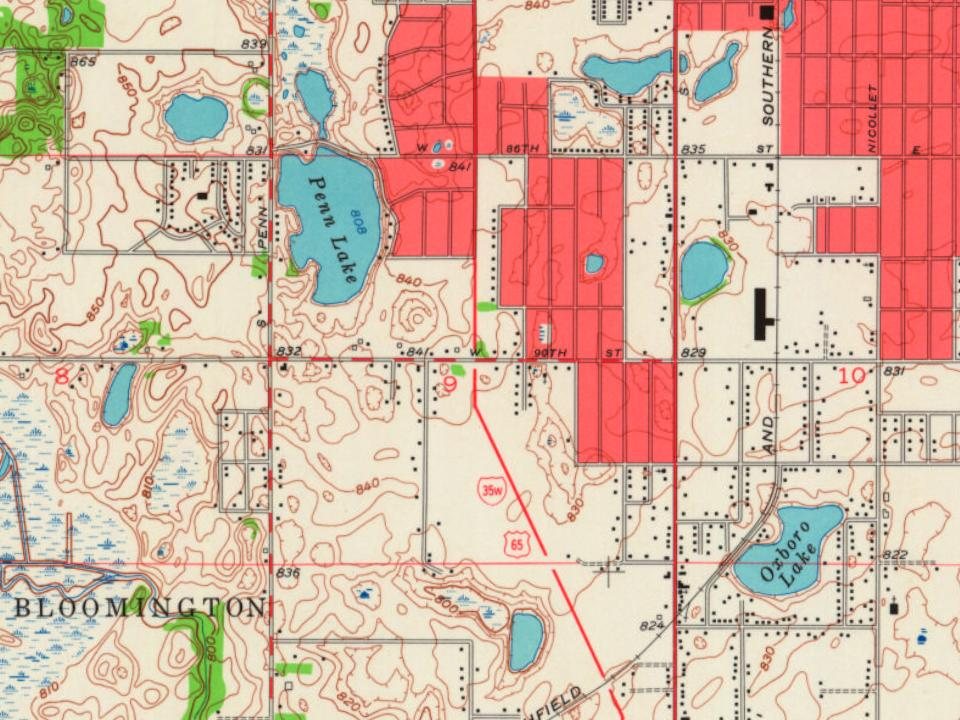
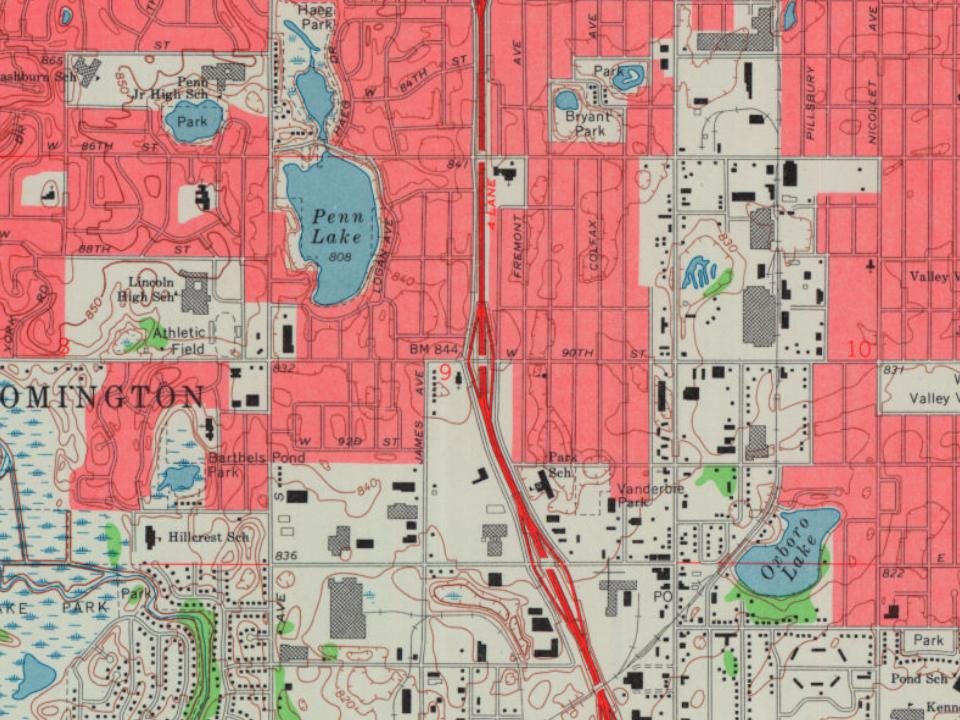

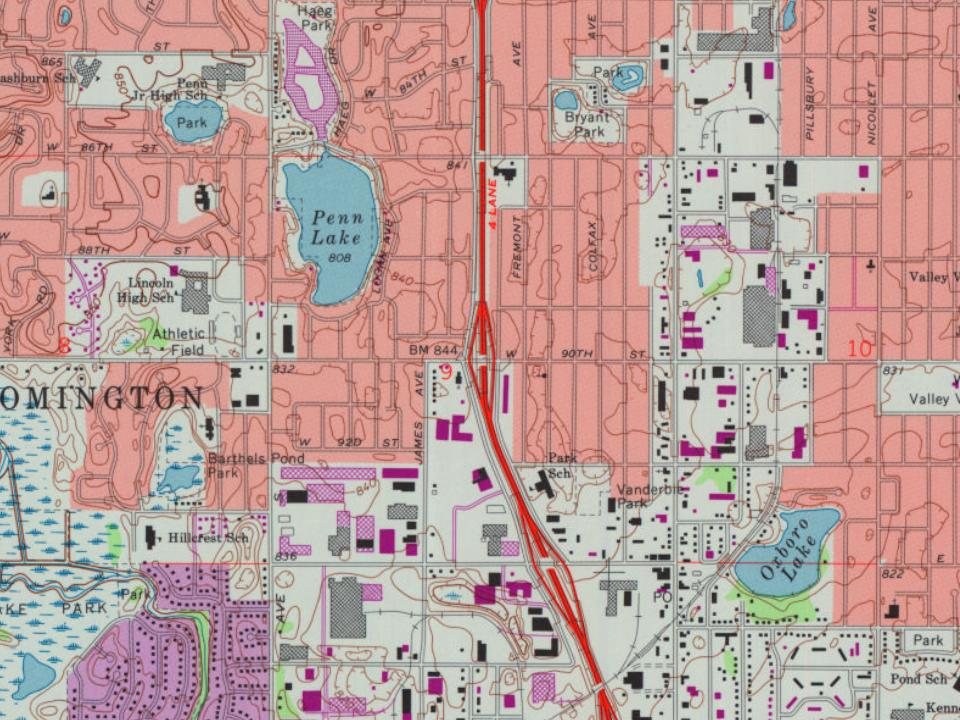
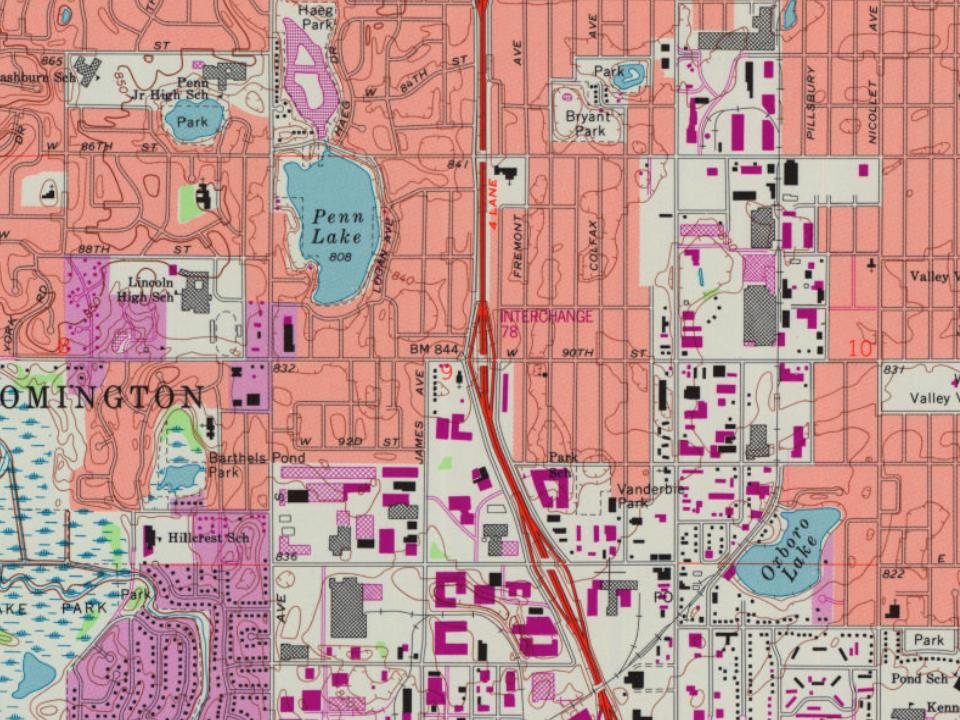







 1970
 1970
 1970
 1970
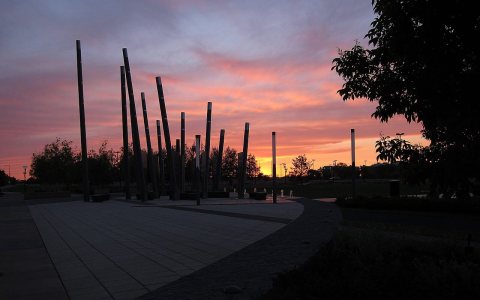 2011
 2010
 2010
 2009
 2009
 2009
 2006
 2006
 2006
