University or college · Private nonprofit
Husson University
Bangor, ME816 online only
Husson University is a private nonprofit university in Bangor, ME, with about 2,317 students on campus.
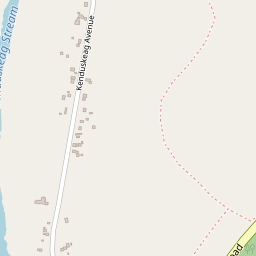
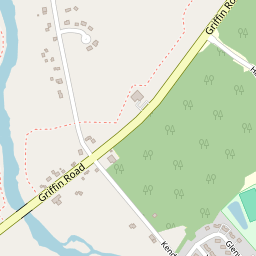
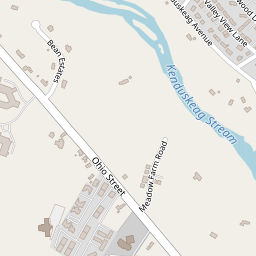
© OpenStreetMap contributors Students on campus
2,317
plus 816 studying only online
Admission rate
81%
higher than at 57% of 4-year colleges
Net price a year
$21,005
higher than at 55% of 4-year colleges
Graduation rate
59%
higher than at 59% of 4-year colleges
Earnings, 10 yrs later
$45,025
higher than at 60% of U.S. colleges
Getting in
How hard is it to get into Husson University?
81%
of applicants admitted
About 16 of every 20 applicants get in.
Test scores of admitted students
The middle 50%: a quarter scored below the range and a quarter above it. Average SAT: 1180.
What it costs
The sticker price, and what families really pay
Sticker price: $35,852 a year
Before any grants
Tuition & fees $23,304Room & board $12,682Books & supplies $1,150
After grants, the average family on aid pays $21,005.
Your family’s price
Average net price after grants, by family income
$17,496
About $69,984 over 4 years · 51% off the sticker price
Under $30k$30–48k$48–75k$75–110kOver $110k
Outcomes
Do students finish, and does it pay off?
Graduate
59%
within 6 years · Pell students 55%
Come back for year two
75%
full-time first-year students
Earnings, 10 years later
$45,025
median, students on federal aid
Typical debt
$27,000
about $286 a month over 10 years
Debt vs. the paycheck
The typical loan payment as a share of a typical graduate’s monthly pay six years after starting
8.3%
0%10%: a common comfort line25%
$286 a month against about $3,463 a month in pay.
Paying back loans
Federal student loans, this college
62%
of borrowers paid down at least some of their loan within three years, more than at 77% of U.S. colleges.
Almost none defaulted within three years (payments on federal loans were paused from 2020 to 2023, so recent default rates are near zero everywhere).
Earnings by family background
Median earnings 10 years after starting, by family income at enrollment
Lower incomeunder $30k
$42kHigher incomeover $75k
$51k Majors
What students study, and what it pays
Share of degrees by field
Health professions 20%Business 17%Public safety 11%Parks, recreation & fitness 9%Legal studies 8%Visual & performing arts 8%Everything else 27%
Bachelor’s programs with the most graduates
And their graduates’ median earnings four years later (one year where that’s all that’s reported).
Registered Nursing, Nursing Administration, Nursing Research and Clinical Nursing76 graduates a year · typical debt $27,500
$78k4 yrs outSports, Kinesiology, and Physical Education/Fitness72 graduates a year · typical debt $27,750
$56k4 yrs outBusiness Administration, Management and Operations52 graduates a year · typical debt $27,000
$62k4 yrs outCriminal Justice and Corrections44 graduates a year · typical debt $27,000
$55k4 yrs outHealth and Medical Administrative Services42 graduates a year
—not reportedAudiovisual Communications Technologies/Technicians37 graduates a year · typical debt $27,000
$49k4 yrs outPsychology, General28 graduates a year · typical debt $27,000
$45k4 yrs outTeacher Education and Professional Development, Specific Levels and Methods23 graduates a year · typical debt $27,000
$40k4 yrs outWho goes thereThe students
2,618 degree-seeking undergraduates.
By race and ethnicity
White 80%Hispanic 1%Black 6%Asian 2%Two or more 6%International 3%
Women and men
Women 65%Men 35%
15 : 1
students per teacher
39%
get Pell grants (lower income)
12%
undergrads 25 or older
The town around itLiving in Bangor
10% of Bangor’s 32,518 residents are enrolled in college. What the town is like, from TownRatings’ Bangor pages.
Bangor →NearbyOther colleges within 30 miles
Straight-line distances from Husson University; colleges with 100 or more students on campus.
Ask around
Students, parents, alumni and the neighbors next door.
Start the conversation
Sources: U.S. Department of Education College Scorecard (institution and field-of-study files) and IPEDS (Scorecard 06/10/2026 · IPEDS 2024 · fall 2023); town figures from the Census American Community Survey and NOAA climate normals. Graduation rates count first-time, full-time students; earnings and debt are for students who received federal aid. Distances are straight-line. Colleges are described, not graded (how TownRatings describes colleges). Map © OpenStreetMap contributors.