Watertown dates to 1630, and 44% of its homes were built before 1940
More historic than 94% of U.S. towns · #102 of 283 in Massachusetts. What drives it
12 places in town are on the National Register, among them 2 National Historic Landmarks and two historic districts with 19 buildings between them. Below: 6 old photos and papers, maps from 1893 on, and the census since 1790.
Founding year: Wikidata. First post office: 1802.The full story ↓
History grade
What drives Watertown’s History grade
On its age, its old homes and the National Register, Watertown is more historic than 94% of U.S. towns, #102 of 283 in Massachusetts. All 3 inputs are above most U.S. towns; its age ranks highest and its National Register listings lowest.
A
HistoryA character grade: shown, never part of Watertown’s overall grade.
Massachusetts towns list more on the Register than most of the country (a typical Massachusetts town has 46.0 per 10,000 residents, the U.S. 2.4), so Watertown’s 7.9 sits below most of its state (25% of Massachusetts towns have fewer) while its 28 historic buildings outnumber those of 81% of U.S. towns.
NoteThe founding year comes from Wikidata alone; no second source gives 1630.
How sure. Graded on any two of the three inputs instead, the letter would range from A− to A+. The pre-1940 share (±2.9 points) is firm at this size.
Founding year: Wikidata (other dates in Quick answers). Homes: Census ACS 2020–24. National Register: National Park Service, May 2026 list; each listing counted once (boundary changes and added documentation belong to their listing), and a historic district counts its contributing buildings. How TownRatings grades history →
What stands out about Watertown’s past
Read from the archive, the National Register and the record. The page puts what stands out first.
Archeological evidence suggests that Watertown was inhabited for thousands of years before colonization. At the time of the earliest European reports in the 1600s, there were at least two important settlements of Massachusett people along the river later known as the Charles: Nonantum in present-day Newton, and Pequossette or Peguusset, "where the narrows open out" near modern-day Watertown Square. A contemporary English source lists "Pigsgusset" as the native name of "Water towne." Massachusett people built a fishing weir at Pequossette to trap herring at the site of the current Watertown Dam. The annual fish migration, as both alewife and blueback herring swim upstream from their adult home in the sea to spawn in the fresh water where they were hatched, still occurs every spring.
Passages that mention Watertown, cut from the printed page as they were published.
Family memorials. Genealogies of the families and descendants of the early settlers of Watertown, Massachusetts, including Waltham and Weston1855 · page 1003Read the page →
Read the text
§ 67. Although Sudbury was a plantation specially granted to the inhabitants of Watertown, only a small proportion of the names of the very early grantees of the lots, are found in the Watertown records, and some of those returned to Watertown, [See the following catalogue ; and see Barry, pp. 154, 5, & 6.] The probable reason that so few went to Sudbury, was, that so many had migrated to Wethersfield, Dedham, and other places, as to relieve Watertown of its crowd of settlers.
Text read by machine from the scan; it may contain errors.
Genealogies of the families and descendants of the early settlers of Watertown, Massachusetts, including Waltham and Weston1860 · page 1041Read the page →
Read the text
June 8, 1714, the Court do not see cause to comply with the petition of sundry principal inhabitants of Watertown, but dismiss the same. The next month, July 13, the selectmen of Watertown, appearing in Court to answer the presentment of said town for want of a bridge over Charles River, near the Mill, the Court, upon view of the record of the Honorable [General] Court's grant of land for charge about the 66
Text read by machine from the scan; it may contain errors.
Family memorials. Genealogies of the families and descendants of the early settlers of Watertown, Massachusetts, including Waltham and Weston1855 · page 1041Read the page →
Read the text
June 8, 1714, the Court do not see cause to comply with the petition of sundry principal inhabitants of Watertown, but dismiss the same. The next month, July IS, the selectmen of Watertown, appearing in Court to answer the presentment of said town for want of a bridge over Charles River, near the Mill, the Court, upon view of the record of the Honorable [General] Court's grant of land for charge about the 66
Text read by machine from the scan; it may contain errors.
Genealogies of the families and descendants of the early settlers of Watertown, Massachusetts, including Waltham and Weston1860 · page 1040Read the page →
Read the text
§ 149. Watertown did not immediately comply with this order; for, on the 11th of November, 10 days after the time assigned for finishing the bridge, the Court " granted the town of Watertown to the first of the 4'th month [May] next, upon the penalties prefixed to the former order; also, they have chosen Mr. Hibbens, Mr.
Text read by machine from the scan; it may contain errors.
Scans and text from the Internet Archive. Books published in 1930 or earlier, which are in the public domain.
By decade
Watertown, decade by decade
3 decades in the archive, from the 1770s to the 1890s. Scroll each row; tap a photo for its story.
Nothing in the archives for these yearsWeddings on Main Street, storms, parades, school pictures, the old store. If it’s in your family album, it belongs here.
In 1630, according to Wikidata. Watertown’s post office opened in 1802, and the first U.S. census counted 1,091 people here in 1790.
How does Watertown rank for history?
Watertown is more historic than 94% of U.S. towns, #102 of 283 in Massachusetts. The History grade combines the town’s founding era, the share of homes built before 1940 and its National Register listings. It’s a character grade, so it isn’t part of the overall grade. How it works.
What is on the National Register in Watertown?
12 listings, 2 of them National Historic Landmarks: 8 buildings, among them the Gore Place (a National Historic Landmark since 1962), 2 historic districts, the Mount Auburn Cemetery and the Watertown Arsenal Historic District, with 19 contributing buildings, and 2 sites. 28 historic buildings in all.
How old are the homes in Watertown?
44% of Watertown’s homes were built before 1940 (Census estimate, ±2.9 points), against a typical 21% for a Massachusetts town; the median home was built in 1947.
Founding dates: Wikidata, Wikipedia, the U.S. post office records of Blevins & Helbock (CC0) and the Census. Homes by year built: Census ACS 2020–24. National Register of Historic Places: National Park Service (list of May 22, 2026). Old photos, postcards and papers: Wikimedia Commons, the Library of Congress and other public archives, credited on each item’s page. Maps: U.S. Geological Survey historical topographic maps (via Esri) and Sanborn fire-insurance maps (Library of Congress). History text and census tables: Wikipedia (CC BY-SA 4.0). Places that used to be: USGS Geographic Names Information System (2021).
From Wikimedia Commons (5), the Library of Congress (1), Wikidata (6), the National Register of Historic Places (12), Wikipedia, Wikidata and Wikipedia for famous people, U.S. Geological Survey historical maps, U.S. Census counts (via Wikipedia), the US Post Offices dataset (Blevins & Helbock), the USGS Geographic Names Information System and old county and town histories (Internet Archive). Archive images are copied here with their credits and licenses, shown on each photo’s page. Refreshed monthly.

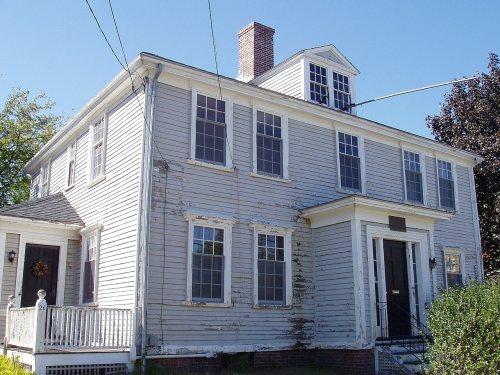


 1776
 1776
 1776


