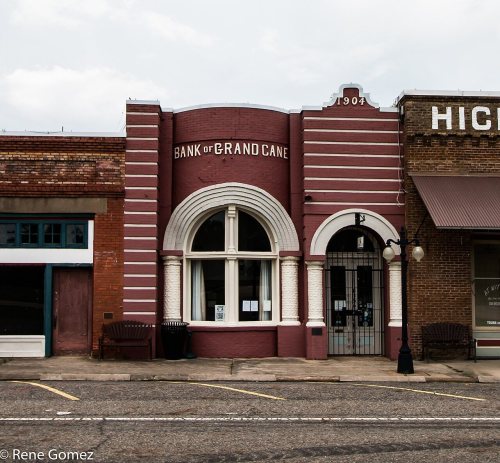
Prior to the incorporation of the village of Grand Cane in 1899, the settlement of four families (Thomas Abington, Israel Rogers, Wright Hobgood, and John Wagner) influenced the development of the area around two wagon trails that intersected in the sparsely populated area known as the Grand Cane Territory. In 1881, Amanda Hobgood (widow of Wright Hobgood) deeded land to the New Orleans & Pacific Railway and had the village of Grand Cane laid out in lots and streets. By 1899, the village was incorporated, and the first mayor was E.R. Fortson. The first village councilmen were Paul E. Allen, Loderick Monroe Cook, and Dr. J.B. Johns. The population soon grew to almost 500.
Founding dates: Wikidata, Wikipedia, the U.S. post office records of Blevins & Helbock (CC0) and the Census. Homes by year built: Census ACS 2020–24. National Register of Historic Places: National Park Service (list of May 22, 2026). Old photos, postcards and papers: Wikimedia Commons, the Library of Congress and other public archives, credited on each item’s page. Maps: U.S. Geological Survey historical topographic maps (via Esri) and Sanborn fire-insurance maps (Library of Congress). History text and census tables: Wikipedia (CC BY-SA 4.0). Places that used to be: USGS Geographic Names Information System (2021). How TownRatings grades history →
From Wikimedia Commons (2), Wikidata (1), the National Register of Historic Places (3), Wikipedia, Wikidata and Wikipedia for famous people, U.S. Geological Survey historical maps, U.S. Census counts (via Wikipedia), the US Post Offices dataset (Blevins & Helbock), the USGS Geographic Names Information System and Sanborn fire insurance maps (Library of Congress). Archive images are copied here with their credits and licenses, shown on each photo’s page. Refreshed monthly.
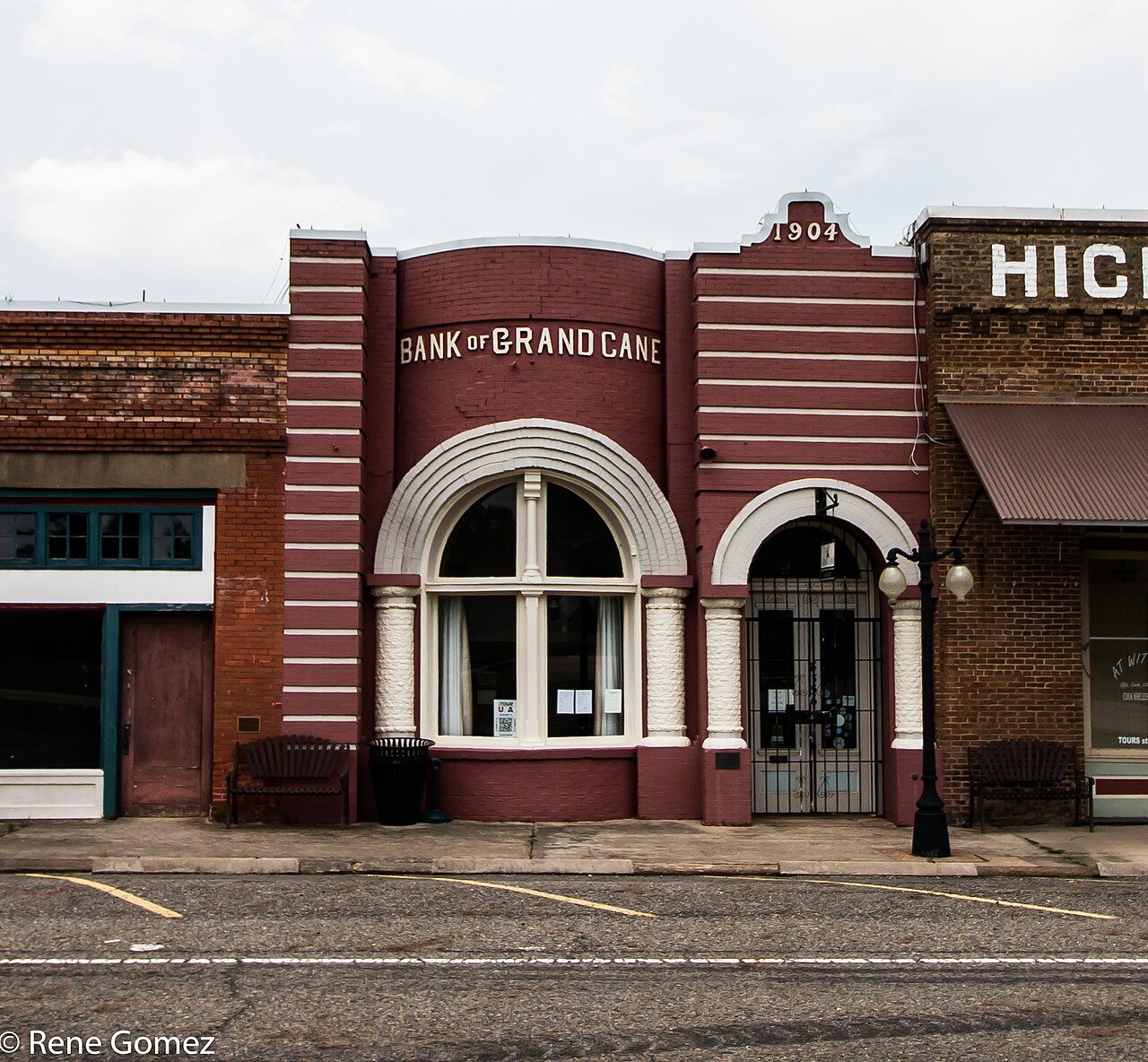


 2017
 2004