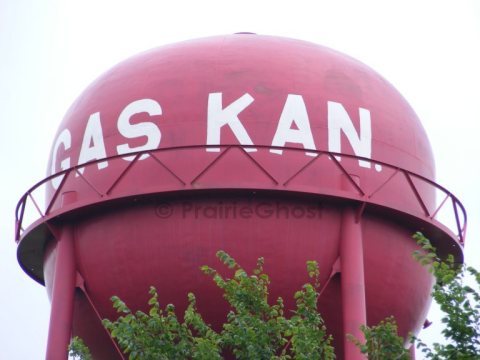
When natural gas was discovered in Elm Township in the summer of 1898 E.K. Taylor sold 60 acres (24 ha) of his farm to some spelter companies and in October sub-divided the remainder into lots, which was the beginning of "Gas City". The place grew rapidly, the cheap fuel afforded by the immense supply of natural gas bringing in a number of large manufacturing plants of various kinds. In 1910 the population was 1,281, and the city had a bank, a daily and a weekly newspaper, an opera house, an international money order postoffice (first opened in August 1899) from which mail was distributed to the surrounding country by rural free delivery, several good mercantile houses, telegraph and express offices.
Fire insurance maps drew every building, what it was made of and what it was used for, so insurers could price the risk of fire. Pick a year, then a sheet.
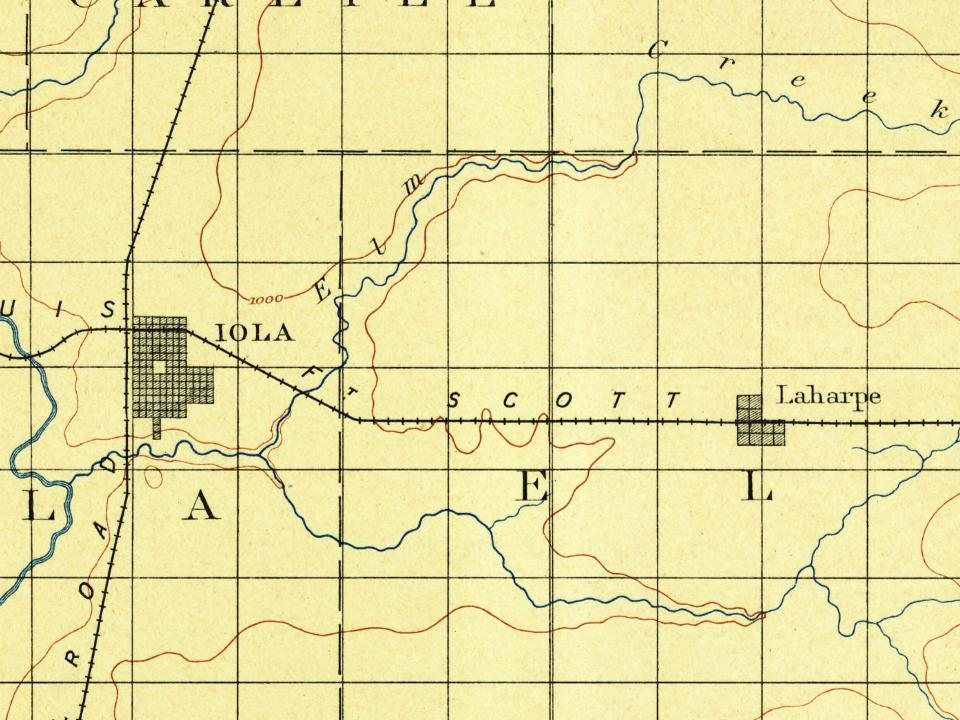
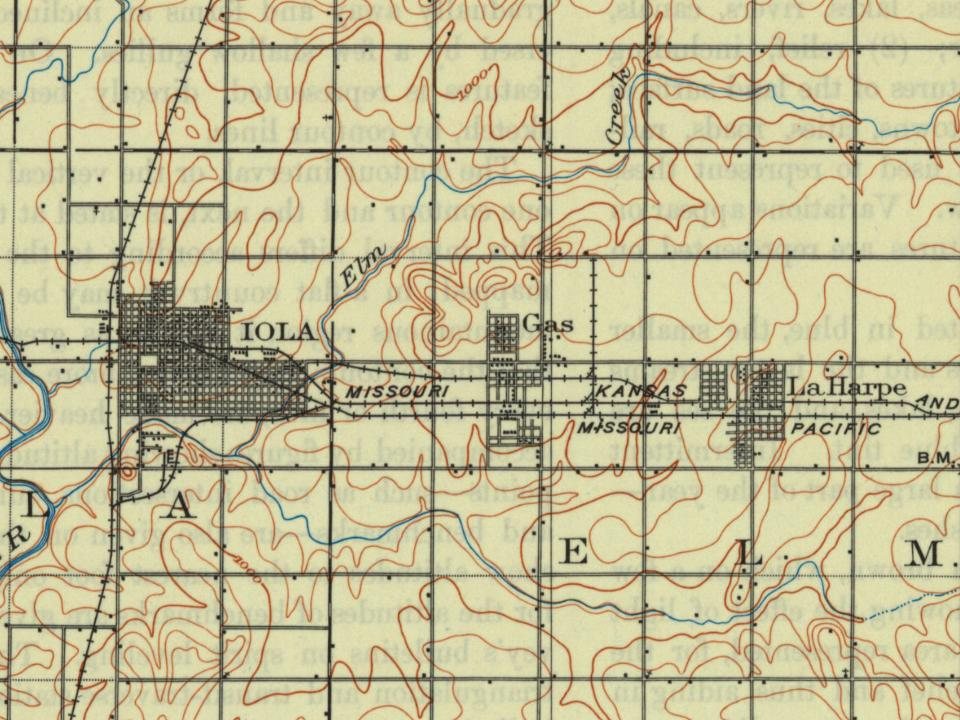
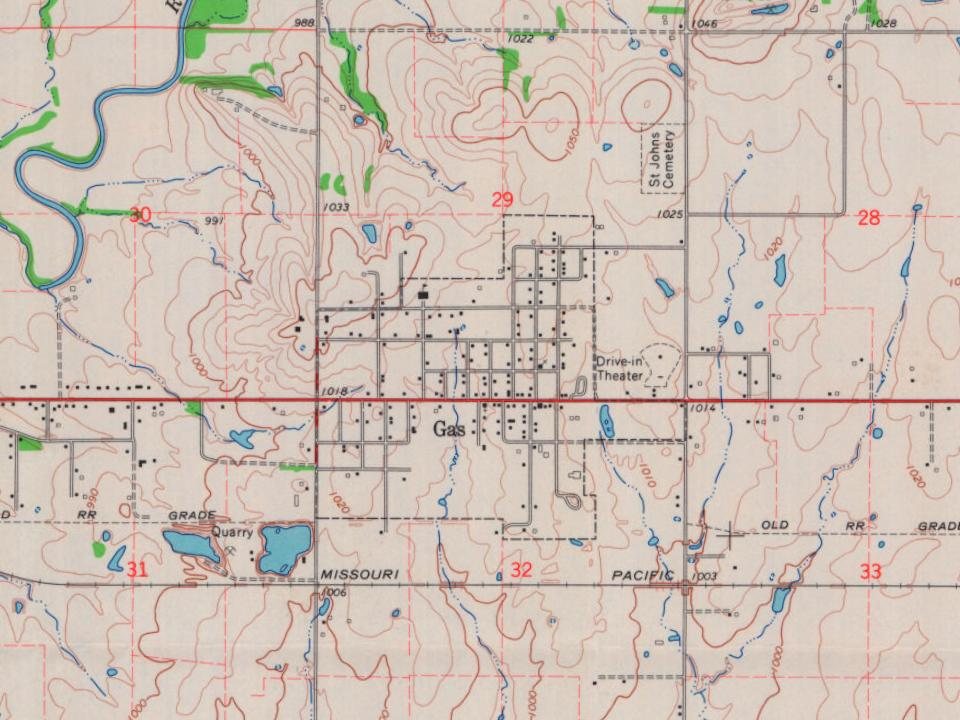
Founding dates: Wikidata, Wikipedia, the U.S. post office records of Blevins & Helbock (CC0) and the Census. Homes by year built: Census ACS 2020–24. National Register of Historic Places: National Park Service (list of May 22, 2026). Old photos, postcards and papers: Wikimedia Commons, the Library of Congress and other public archives, credited on each item’s page. Maps: U.S. Geological Survey historical topographic maps (via Esri) and Sanborn fire-insurance maps (Library of Congress). History text and census tables: Wikipedia (CC BY-SA 4.0). Places that used to be: USGS Geographic Names Information System (2021). How TownRatings grades history →
From Wikimedia Commons (2), Wikipedia, U.S. Geological Survey historical maps, U.S. Census counts (via Wikipedia), the US Post Offices dataset (Blevins & Helbock), the USGS Geographic Names Information System and Sanborn fire insurance maps (Library of Congress). Archive images are copied here with their credits and licenses, shown on each photo’s page. Refreshed monthly.




 2007
 2004
