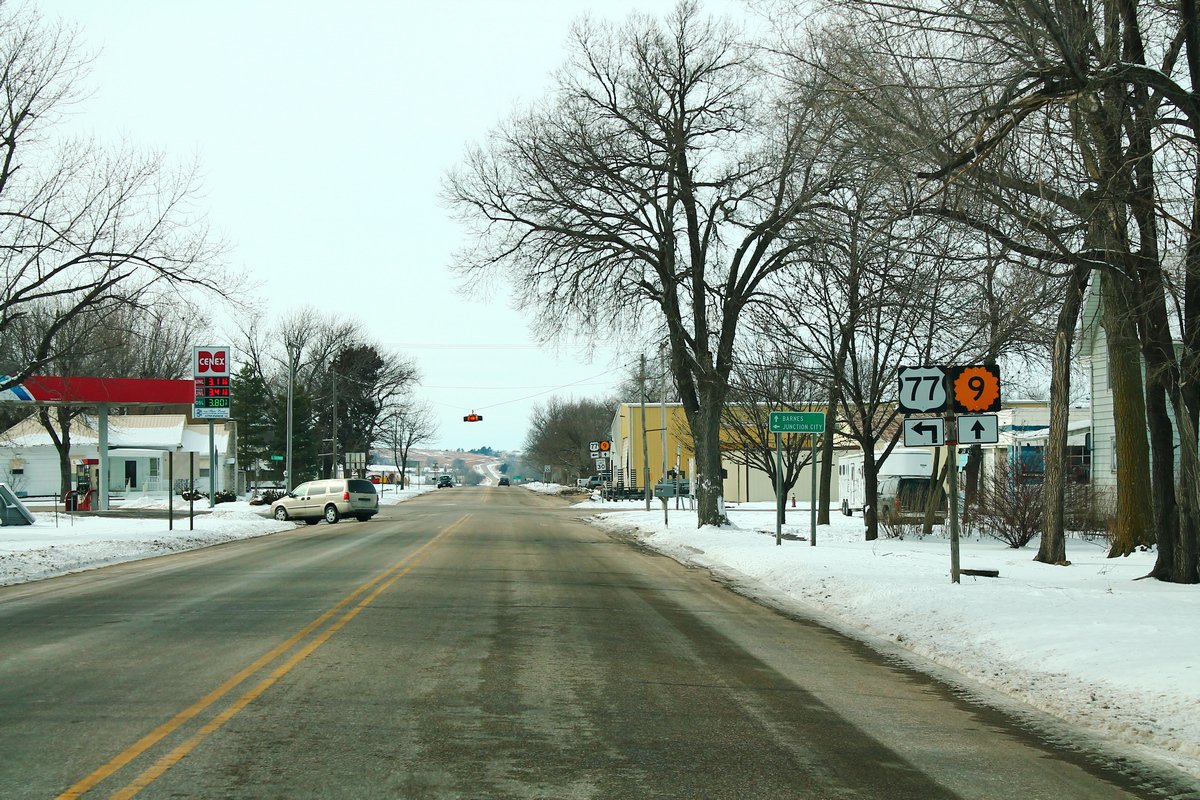
 Photo: formulanone from Huntsville, United States · CC BY-SA 2.0
Blue Rapids’s public schools
Valley Heights Unified School District 498 has no state test or graduation results we can use, so there is no Schools grade for Blue Rapids. Each school below is shown with its own results.
Tests spring 2022, when 100% of students in Kansas’s tested grades sat them, and the class of 2023’s graduation rate (U.S. Department of Education). How TownRatings grades schools
Blue Rapids’s schools, in brief
School by school
1 of Blue Rapids’s 2 district schools with test results score above the middle of Kansas’s 1,221 public schools. Valley Heights Elem places highest (better than 97%); Valley Heights Jr/Sr High lowest (31%). See the path ↓
Written from the figures on this page. Tests are from 2021–22, graduation from the class of 2023; each school’s own letter uses 2020–21 results.
Where will my kid go?
Pick a grade. These are the public schools in Blue Rapids, with each school’s own grade.
Pre-K in Blue Rapids
Valley Heights Elementary - Waterville
Grades PK–2 · 112 students · 12:1 students per teacher · in Waterville
Kindergarten in Blue Rapids
Valley Heights Elementary - Waterville
Grades PK–2 · 112 students · 12:1 students per teacher · in Waterville
1st grade in Blue Rapids
Valley Heights Elementary - Waterville
Grades PK–2 · 112 students · 12:1 students per teacher · in Waterville
2nd grade in Blue Rapids
Valley Heights Elementary - Waterville
Grades PK–2 · 112 students · 12:1 students per teacher · in Waterville
3rd grade in Blue Rapids
Valley Heights Elem
Grades 3–6 · 120 students · 13:1 students per teacher
4th grade in Blue Rapids
Valley Heights Elem
Grades 3–6 · 120 students · 13:1 students per teacher
5th grade in Blue Rapids
Valley Heights Elem
Grades 3–6 · 120 students · 13:1 students per teacher
6th grade in Blue Rapids
Valley Heights Elem
Grades 3–6 · 120 students · 13:1 students per teacher
7th grade in Blue Rapids
Valley Heights Jr/Sr High
Grades 7–12 · 166 students · 11:1 students per teacher
8th grade in Blue Rapids
Valley Heights Jr/Sr High
Grades 7–12 · 166 students · 11:1 students per teacher
9th grade in Blue Rapids
Valley Heights Jr/Sr High
Grades 7–12 · 166 students · 11:1 students per teacher
10th grade in Blue Rapids
Valley Heights Jr/Sr High
Grades 7–12 · 166 students · 11:1 students per teacher
11th grade in Blue Rapids
Valley Heights Jr/Sr High
Grades 7–12 · 166 students · 11:1 students per teacher
12th grade in Blue Rapids
Valley Heights Jr/Sr High
Grades 7–12 · 166 students · 11:1 students per teacher
Which school depends on your address. To confirm it, ask the Valley Heights Unified School District 498.
The district
Spending and class size are shown but don’t count toward the grade. Each district’s own page has every school.
Well above the state in reading
Blue Rapids vs. its neighbors
Schools grades for the Kansas towns that share Blue Rapids’s borders.
| Town | Schools | Main districts |
|---|---|---|
| Blue Rapids | — | Valley Heights Unified School District 498 |
Every school in Blue Rapids
3 schools. Each public school’s letter compares its own 2020–21 reading and math results with Kansas’s other public schools (the newest school-level results we have).
Questions about Blue Rapids’s schools
Are Blue Rapids’s schools good?
There’s no Schools grade for Blue Rapids. Valley Heights Unified School District 498 has no state test or graduation results we can use, so there is no Schools grade for Blue Rapids. Each school below is shown with its own results. School by school, 1 of its 2 district schools with test results score above the middle of Kansas’s public schools on their 2020–21 results.
What school district is Blue Rapids in?
Valley Heights Unified School District 498.
Where do Blue Rapids kids go to high school?
Valley Heights Jr/Sr High.
Parents talk
What Blue Rapids families are saying about school.
Looking for colleges? Colleges near Blue Rapids → They have their own page.
School data: state test results (2021–22, with participation) and four-year graduation rates (class of 2023) reported to the U.S. Department of Education (EDFacts via ED Data Express); each school’s own letter uses its 2020–21 results (EDFacts via the Urban Institute); schools and enrollment from NCES (2024–25; private schools 2023–24); spending from the Census Bureau’s school finance survey (FY2024). Stars are from neighbors.