ArdmoreIN
A town of 1,810.
Is Ardmore a good place to live?
Ardmore’s weakest subject grade is a C− for schools. Only 2 of Indiana’s 1,098 towns score higher on hazard risk. Ardmore has fewer than 2,500 residents, so it gets subject grades but no overall grade.
What makes Ardmore stand out
Where Ardmore beats most towns.
100% of working residents leave Ardmore for work
Where Ardmore’s working residents go each day. Line width shows the share.
Census LEHD 2023
How Ardmore grades
Each subject compared with towns across the country (schools within Indiana), ordered by how far Ardmore is from typical.
How TownRatings grades towns →
Moving to Ardmore: who provides what
Who provides power, water and the rest in Ardmore, and how to reach them.
EPA SDWIS (Oct 9, 2026) · HIFLD + EIA-861 2025 · Census 2020 ZCTAs · NCES 2024–25 · registration: vote.gov, updated Nov 18, 2024.
The data
Ordered by what stands out in Ardmore.
The FEMA risk score in Ardmore is lower than in most of Indiana or the rest of the country
37% of Ardmore’s expected losses from natural hazards come from inland flooding, followed by cold waves at 31%. Expected storm and flood damage is lower than in 97% of U.S. communities.
FEMA National Risk Index · OpenFEMA
Ardmore stands out in Indiana and nationally: a smaller share of its working residents work locally
This Indiana town had 100 jobs in 2023, down 34 from 2013. 15% of Ardmore residents live below the poverty line. In Ardmore, the typical journey to work is 18 minutes, against 24 minutes in Indiana’s towns and 25 minutes across U.S. towns. Also worth knowing: its middle household income stands at $47,000.
| Ardmore | Indiana towns | U.S. towns | |
|---|---|---|---|
| Average trip to work | 18 minutes | 24 minutes | 25 minutes |
| Median household income | $47,000 | $71,000 | $80,000 |
| Working residents who work in town | 0.4% | 11% | 8% |
| Below the poverty line | 15% | 10% | 9.6% |
Where working residents work
Census LEHD 2023 · ACS
Expect snowy winters and pleasant summers in Ardmore
Summer afternoons peak near 83° in July, and January nights bottom out around 17°; snowfall runs to about 65 inches a winter.
Typical low → high °F
NOAA U.S. Climate Normals, 1991–2020
Notre Dame Stadium and 15 more within 40 miles
Museums, parks, gardens and other places to visit around Ardmore. Close and well known come first.
 Big draw5 mi Stadium & arenaNotre Dame Stadium
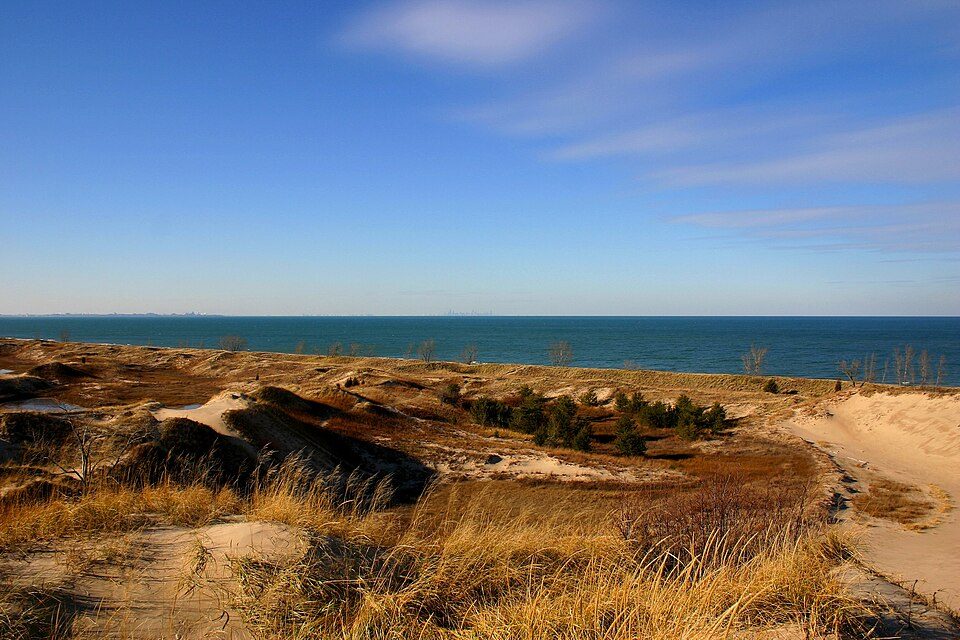 27 mi National ParkIndiana Dunes National Park2.6M visitors a year
 4 mi CaveGrotto of Our Lady of Lourdes, Notre Dame
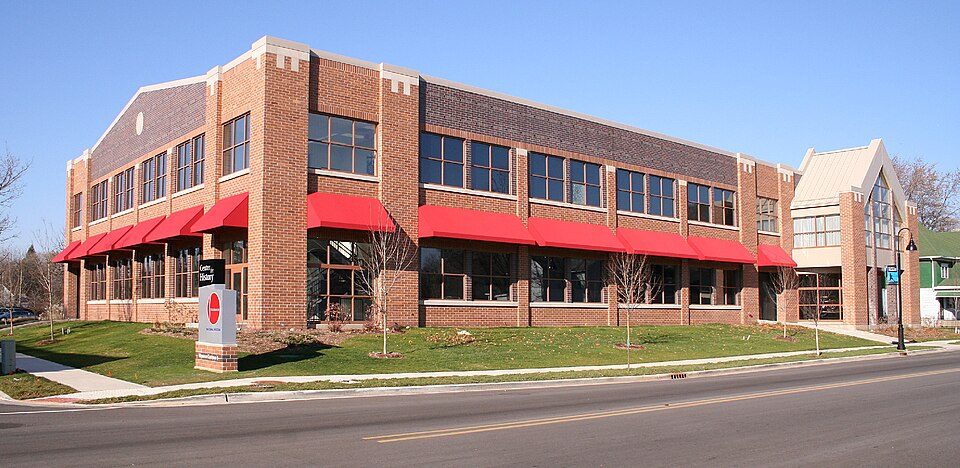 3 mi MuseumStudebaker National Museum
 9 mi Ancient siteFort St. Joseph
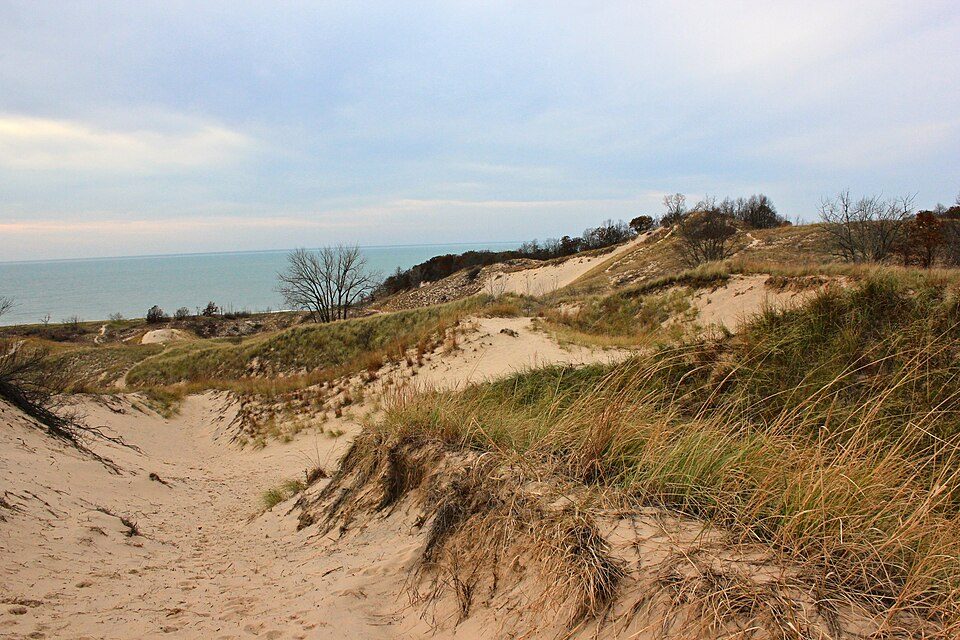 21 mi State parkWarren Dunes State Park
Photo credits
Notre Dame Stadium: Tysto, Public domain · Indiana Dunes National Park: J. Crocker, Attribution · Grotto of Our Lady of Lourdes, Notre Dame: Know1one1, CC BY-SA 3.0 · Studebaker National Museum: Unknown, Public domain · Fort St. Joseph: Chris Light (talk), CC BY-SA 3.0 · Warren Dunes State Park: hakkun, CC BY-SA 3.0


Everything we know about Ardmore
Colleges nearby
6 within 15 miles of the center of Ardmore
About 3 of every 100 Ardmore residents are enrolled in college, against 6 across Indiana.
About Ardmore
Unincorporated community and Census designated place in Indiana, United States
Ardmore is an unincorporated suburb of South Bend in Portage Township, St. Joseph County, in the U.S. state of Indiana.
From Wikipedia, licensed CC BY-SA 4.0 · facts via Wikidata (CC0)
- Elevation
- 738 ft
Ardmore’s neighbors
One town shares a border with Ardmore.
| Town | IN rank | Overall | Cost | Safety | Schools | Health |
|---|---|---|---|---|---|---|
| Ardmore | — | — | C+ | — | C− | — |
| South Bend | #579 | D | B+ | D | C− | D |
Ardmore has fewer than 2,500 residents, so it gets subject grades but no overall grade. Ardmore reports no FBI crime data of its own. Compare Ardmore with a neighbor →
Questions about Ardmore
Short answers, built from the data on this page.
Is Ardmore, IN expensive?
The typical home is worth about $143,000. That is 3 years of the area's median household income ($47,069 across the county). Cost of living, which also weighs rents, property taxes and how many households pay 30% or more of their income for housing, grades C+.