Orland HillsIL
Is Orland Hills a good place to live?
Orland Hills’s strongest is health — CDC estimates put its residents' health ahead of 89% of the country. This Illinois town grades A overall and ranks 110th of 767 in Illinois. On that grade it does better than 91% of U.S. towns. Schools are a strength too — its schools rank ahead of 80% of Illinois towns. What holds it back is cost of living: the typical home is worth about $341K, 3.8 years of the Chicago metro’s $91K median household income. Orland Hills’ trail network density is 2.0 miles per square mile, above both the Illinois town median (0.3) and the median of U.S. towns (0.4). Only 99 of Illinois’ 1,285 towns score lower on history. The town is easier to get around on foot or by transit than 86% of U.S. towns.
Figures: health, CDC PLACES · schools, state test and graduation results · home values, Zillow · incomes, Census ACS, 2020–24 · OpenStreetMap · National Register of Historic Places.
What makes Orland Hills stand out
Where Orland Hills beats most towns.
98% of working residents leave Orland Hills for work
Where Orland Hills’s working residents go each day. Line width shows the share.
Census LEHD 2023
How Orland Hills grades
Each subject compared with towns across the country (schools within Illinois), ordered by how far Orland Hills is from typical.
How TownRatings grades towns →
Soldier Field and 152 more within 40 miles
Museums, parks, gardens and other places to visit around Orland Hills. Close and well known come first.
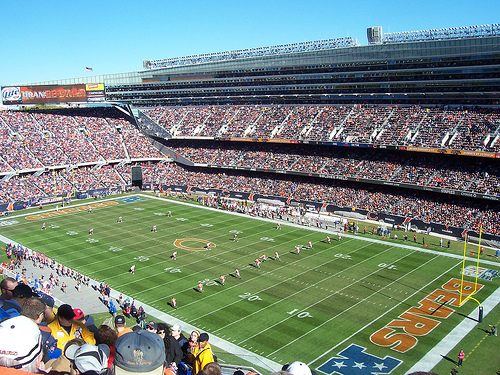 Big draw22 mi Stadium & arenaSoldier Field
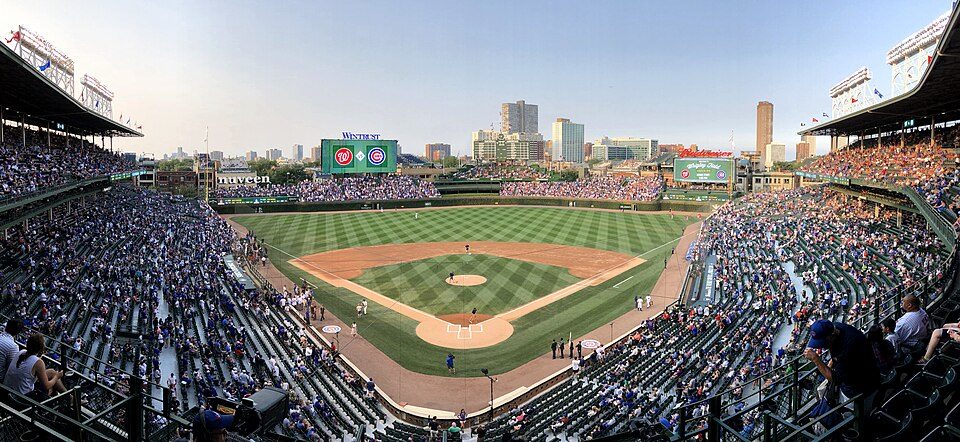 Big draw26 mi Stadium & arenaWrigley Field
 Big draw19 mi MuseumBarack Obama Presidential Center
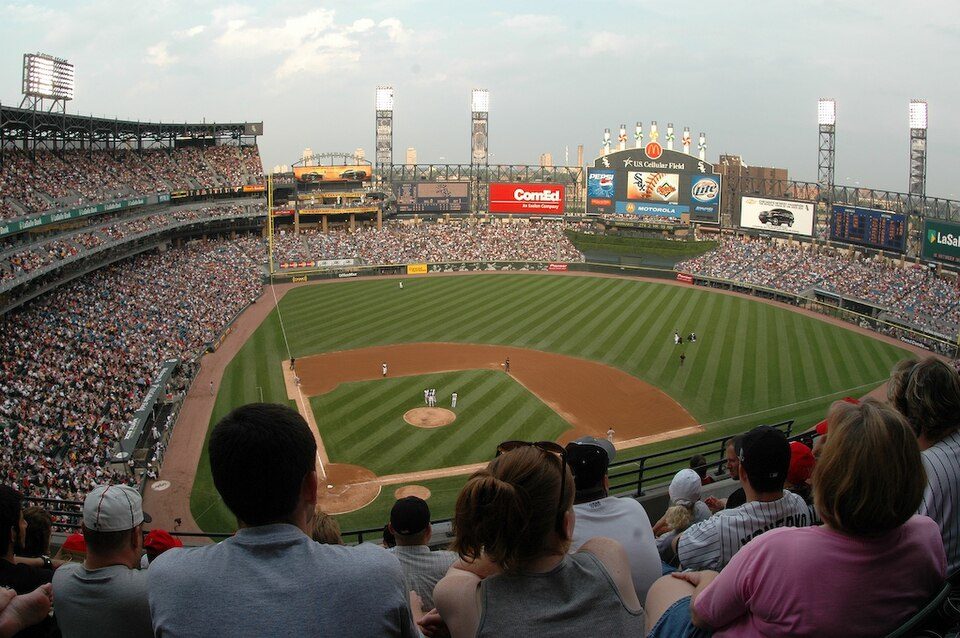 Big draw20 mi Stadium & arenaRate Field
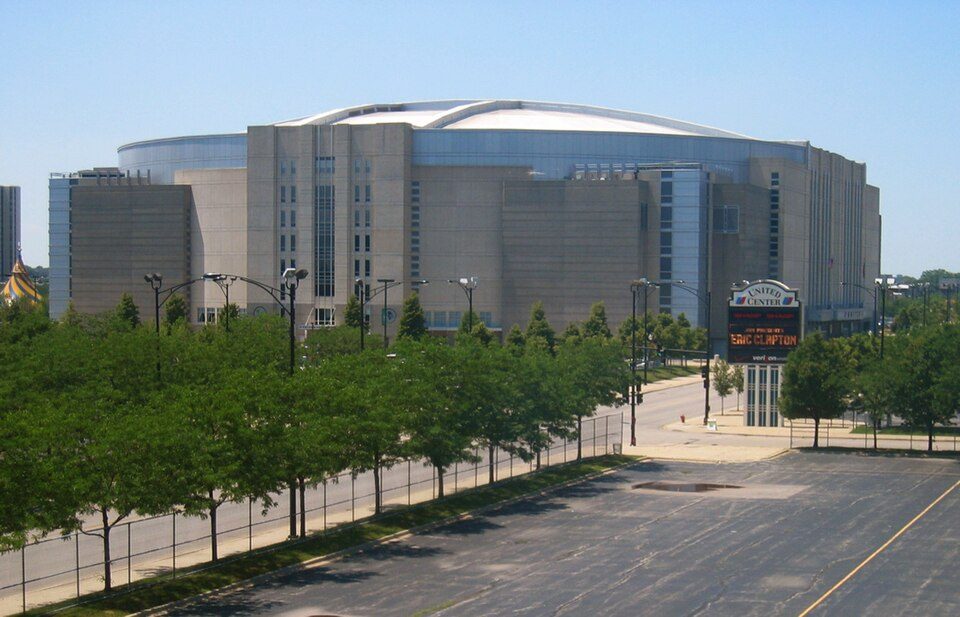 Big draw22 mi Stadium & arenaUnited Center
 Big draw23 mi MuseumArt Institute of Chicago1.5M visitors a year
Photo credits
Soldier Field: Photo by Joon Han Contact: [email protected], CC BY-SA 3.0 · Wrigley Field: Ryan Dickey, CC BY 2.0 · Barack Obama Presidential Center: AlphaBeta135, CC0 · Rate Field: User Enoch Lai on en.wikipedia, CC BY-SA 3.0 · United Center: User:JeremyA, CC BY-SA 2.5 · Art Institute of Chicago: ajay_suresh, CC BY 2.0


Moving to Orland Hills: who provides what
Who provides power, water and the rest in Orland Hills, and how to reach them.
EPA SDWIS (Oct 9, 2026) · HIFLD + EIA-861 2025 · Census 2020 ZCTAs · NCES 2024–25 · registration: vote.gov, updated Sep 12, 2025.
The data
Ordered by what stands out in Orland Hills.
9.4% of the land in Orland Hills is protected from building
Count the trails in 2 parks and preserves and they come to 2.2 miles. The biggest place to walk is Richard F. Kelly Park, 44 acres with 1.4 miles of trail.
| Orland Hills | Illinois towns | U.S. towns | |
|---|---|---|---|
| Miles of trail per square mile | 2.0 miles per square mile | 0.3 | 0.4 |
| Conserved land | 9.4% | 3.6% | 4.3% |
| Biggest places to walk | Trails | Acres |
|---|---|---|
| 1. Richard F. Kelly Park | 1.4 mi | 44 |
| 2. Ridgegate Park | — | 7 |
Trails & parks © OpenStreetMap contributors · Conserved land: USGS PAD-US
A smaller share of adults have high blood pressure in Orland Hills than in most of Illinois or the rest of the country
Its widest gap with Illinois is tooth loss: 6.5% of those 65+ have lost all their teeth, against 10.3% statewide.
The share of adults in Orland Hills who sleep under 7 hours: 34%. Among 767 Illinois towns, just 10 have a higher share of adults who binge drink than Orland Hills. Of 32 CDC measures, Orland Hills beats the Illinois average on 16 and trails it on 2.
| Orland Hills | Illinois towns | U.S. towns | |
|---|---|---|---|
| Binge drink (CDC PLACES) | 22% | 18% | 16% |
| High blood pressure (CDC PLACES) | 27% | 35% | 35% |
| Obesity (CDC PLACES) | 29% | 37% | 35% |
| Frequent physical distress (CDC PLACES) | 11% | 13% | 14% |
| What stands out | Orland Hills | IL |
|---|---|---|
| Fewer older adults who have lost all their teeth | 6.5% | 10.3% |
| Fewer adults with heart disease | 4.4% | 5.9% |
| More binge drinkers | 21.5% | 17.8% |
CDC PLACES 2025 · modeled estimates for adults · CMS · HRSA
Orland Hills has 0.3 jobs for every working resident, so most commute out
Among residents in Orland Hills, 6.4% live below the poverty line. Commuting out is the norm in the town: 2% of working residents work locally. For Orland Hills, the typical household income is $122,000. The top destinations are Chicago (22%), Orland Park (7%) and Tinley Park (6%).
| Orland Hills | Illinois towns | U.S. towns | |
|---|---|---|---|
| Median household income | $122,000 | $83,000 | $80,000 |
| Average trip to work | 31 minutes | 26 minutes | 25 minutes |
| Working residents who work in town | 1.7% | 8.4% | 8% |
| Below the poverty line | 6.4% | 8.4% | 9.6% |
Where working residents work
Census LEHD 2023 · ACS
Orland Hills has four seasons and pleasant summers
The range runs from 17° on a January night to 84° on a July afternoon, with about 28 inches of snow a winter.
Typical low → high °F
NOAA U.S. Climate Normals, 1991–2020
Orland Hills has a low natural-hazard risk, chiefly from cold waves
Households in Orland Hills have drawn federal disaster aid in 8 declared disasters, most recently in 2024. Compared with nearly two thirds of U.S. communities, expected storm and flood damage locally is lower. 35% of the town’s expected losses from natural hazards come from cold waves, followed by inland flooding at 33%.
FEMA disaster declarations and aid · FEMA flood insurance claims · FEMA National Risk Index · OpenFEMA
Orland Hills is younger than the Illinois average
Illinois has 38% of adults 25 and older with a bachelor’s degree or more; here it is 36%. People 65 and older are 10% of residents (17% statewide); adults 18 to 34 are 28% of residents (23% statewide). Orland Hills is shrinking: down 3.3% since 2020, to 6,663 residents (2025 estimate).
| Orland Hills | Illinois towns | U.S. towns | |
|---|---|---|---|
| Aged 65 or older | 10% | 19% | 18% |
| Median age | 35.8 years | 40.7 years | 40.5 years |
| Bachelor’s degree or more, 25+ | 36% | 29% | 29% |
| Under 18 | 21% | 22% | 22% |
Ages · share of residents
Education · adults 25 and older
Women and men · all residents
45% women, 55% men
About 124 men for every 100 women (the survey’s margin: ±4.9 points). Across Illinois, 50.6% of residents are women.
| Orland Hills | IL | U.S. | |
|---|---|---|---|
| Under 10 | 10.4% | 11.5% | 11.6% |
| 10 to 17 | 11% | 10.4% | 10.3% |
| 18 to 24 | 9.3% | 9.1% | 9.1% |
| 25 to 34 | 19.1% | 13.6% | 13.7% |
| 35 to 44 | 9% | 13.3% | 13.2% |
| 45 to 54 | 14.4% | 12.4% | 12.2% |
| 55 to 64 | 16.8% | 12.8% | 12.7% |
| 65 to 74 | 7.4% | 10% | 10.2% |
| 75 and older | 2.7% | 7% | 7% |
| No diploma | 2.6% | 9.5% | 10.4% |
| High school | 24.8% | 25.1% | 26% |
| Some college | 25.1% | 19.2% | 19.1% |
| Associate’s | 11.2% | 8.3% | 8.8% |
| Bachelor’s | 23.2% | 22.6% | 21.6% |
| Graduate | 13.1% | 15.3% | 14.1% |
Census population estimates, 2025 · U.S. Census Bureau · ACS 2020-2024 5-year estimates
Orland Hills earns a C for cost of living
Zillow values the typical Orland Hills home at about $341,000, up 6.8% in a year, 15% above the Illinois typical home. The rent at the middle of the market for Orland Hills comes to $1,359 a month. For households in the town, the share who own their home is 78%.
| Orland Hills | Illinois towns | U.S. towns | |
|---|---|---|---|
| Median rent | $1,359 a month | $1,128 a month | $1,185 a month |
| Households that own their home | 78% | 75% | 73% |
Typical home value
Census ACS, 2020–24 · Zillow Home Value Index · Redfin Data Center
Everything we know about Orland Hills
Colleges nearby
12 within 15 miles of the center of Orland Hills
About 7 of every 100 Orland Hills residents are enrolled in college, about the same as Illinois.
About Orland Hills
Village in Illinois, United States
Orland Hills (formerly Westhaven) is a village in Cook County, Illinois, United States. Per the 2020 census, the population was 6,893, and as of 2022, the total number of households was 2,330.
From Wikipedia, licensed CC BY-SA 4.0 · facts via Wikidata (CC0)
- Area
- 1.2 sq mi
- Area code
- 708
Orland Hills’s neighbors
One town shares a border with Orland Hills.
| Town | IL rank | Overall | Cost | Safety | Schools | Health |
|---|---|---|---|---|---|---|
| Orland Hills | #110 | A | C | — | A− | A |
| Orland Park | #168 | A | D | B+ | A− | A |
Orland Hills reports no FBI crime data of its own. Compare Orland Hills with a neighbor →
Questions about Orland Hills
Short answers, built from the data on this page.
Is Orland Hills, IL a good place to live?
By most measures, yes. Orland Hills grades A overall, better than 91% of U.S. towns and #110 of 767 in Illinois. It grades A for health and A− for schools.
Is Orland Hills, IL expensive?
Cost of living, which also weighs rents, property taxes and how many households pay 30% or more of their income for housing, grades C.