Founding year: Wikipedia. First post office: 1843.The full story ↓
History grade
What drives Highland’s History grade
On its age, its old homes and the National Register, Highland is more historic than 50% of U.S. towns, #395 of 768 in Illinois. Its age holds the grade up; its National Register listings pull it down.
B−
HistoryA character grade: shown, never part of Highland’s overall grade.
Few Illinois towns list much on the Register (a typical Illinois town has 0.5 per 10,000 residents, the U.S. 2.4), so Highland’s 0.0 sits below most of its state (28% of Illinois towns have fewer) while its 0 listings outnumber those of 23% of U.S. towns.
How sure. Graded on any two of the three inputs instead, the letter would range from C to B. The pre-1940 share is a Census survey estimate (±3.2 points). Two sources give 1837.
Founding year: Wikipedia (other dates in Quick answers). Homes: Census ACS 2020–24. National Register: National Park Service, May 2026 list; each listing counted once (boundary changes and added documentation belong to their listing), and a historic district counts its contributing buildings. How TownRatings grades history →
What stands out about Highland’s past
Read from the archive, the National Register and the record. The page puts what stands out first.
Every edition of the U.S. Geological Survey’s map of Highland. Tap a year, or press play to watch the town change.
1906Breese sheet · 1:62,500
U.S. Geological Survey historical topographic maps (public domain), via Esri’s collection of the scans. The red ring marks the center of Highland.
Every building
Highland, building by building, 1888–1908
Fire insurance maps drew every building, what it was made of and what it was used for, so insurers could price the risk of fire. Pick a year, then a sheet.
Highland was settled in the early 19th century by Swiss-German settlers. The town was founded in 1837 and celebrated its 175th Jubilee in 2012. It was first named Helvetia (pronounced "hellveesha") in accordance with the heritage of the town's Swiss-German founding members. The town voted to change its name to the English version, "Highland", in the early 20th century, as well as stopping production of its German language newspaper, in part to avoid negativity toward those of Germanic heritage at the advent of the First World War. Around the same time, a small town in northern Illinois also started calling itself Highland. Eventually, the town in northern Illinois became Highland Park.
Passages that mention Highland, cut from the printed page as they were published.
Centennial history of Madison County, Illinois, and its people, 1812 to 19121912 · page 383Read the page →
Read the text
of a Swiss colony, the doctor arrived in Mad¬ ison county, settling in Looking Glass Prairie not far from the present site of the city of Highland, and thus became the first doctor in the eastern part of the county. He, with several others, in September 1836, laid out the town of Highland, consisting of fortyfive squares of twelve lots each. Dr. Koepfli
Text read by machine from the scan; it may contain errors.
Centennial history of Madison County, Illinois, and its people, 1812 to 19121912 · page 529Read the page →
Read the text
when immigrants from Switzerland began to arrive, followed in increasing numbers by other Swiss and Germans up to 1837, when the town of Highland was founded. But be¬ fore proceeding with the history of the town, it may be desirable to describe the conditions of this region at that time.
Text read by machine from the scan; it may contain errors.
In the year 1809, a settlement was made upon Silver Creek, near the present town of Highland. Monks of La Trappe. — About the same time a very different order of emigrants made their appearance in the county, near the present boundary line between Madison and St. Clair Counties, in the vicinity of the mound skirting C;ihokia Creek, ujion one of which they had a residence for several years, and from which it derived its name of Monk's Mound. They were known as the Monks of La Trappe. The monastery of this order was
Text read by machine from the scan; it may contain errors.
In 1865 the town of Highland was incorporated by a special act of the Legislature. Jacob Eggen, one of the oldest citizens, was elected first Mayor. The population at present is about two thousand.
Text read by machine from the scan; it may contain errors.
Scans and text from the Internet Archive. Books published in 1930 or earlier, which are in the public domain.
By decade
Highland, decade by decade
4 decades in the archive, from the 1890s to the 1990s. Scroll each row; tap a photo for its story.
Nothing in the archives for these yearsWeddings on Main Street, storms, parades, school pictures, the old store. If it’s in your family album, it belongs here.
In 1837, according to Wikipedia’s history of the town. Highland’s post office opened in 1843, and the census of 1850 counted 704 people here.
How does Highland rank for history?
Highland is more historic than 50% of U.S. towns, #395 of 768 in Illinois. The History grade combines the town’s founding era, the share of homes built before 1940 and its National Register listings. It’s a character grade, so it isn’t part of the overall grade. How it works.
How old are the homes in Highland?
11% of Highland’s homes were built before 1940 (Census estimate, ±3.2 points), against a typical 11% for an Illinois town; the median home was built in 1979.
Founding dates: Wikidata, Wikipedia, the U.S. post office records of Blevins & Helbock (CC0) and the Census. Homes by year built: Census ACS 2020–24. National Register of Historic Places: National Park Service (list of May 22, 2026). Old photos, postcards and papers: Wikimedia Commons, the Library of Congress and other public archives, credited on each item’s page. Maps: U.S. Geological Survey historical topographic maps (via Esri) and Sanborn fire-insurance maps (Library of Congress). History text and census tables: Wikipedia (CC BY-SA 4.0). Places that used to be: USGS Geographic Names Information System (2021).
From Wikimedia Commons (8), the Library of Congress (1), Wikipedia, Wikidata and Wikipedia for famous people, U.S. Geological Survey historical maps, U.S. Census counts (via Wikipedia), the US Post Offices dataset (Blevins & Helbock), the USGS Geographic Names Information System, Sanborn fire insurance maps (Library of Congress) and old county and town histories (Internet Archive). Archive images are copied here with their credits and licenses, shown on each photo’s page. Refreshed monthly.


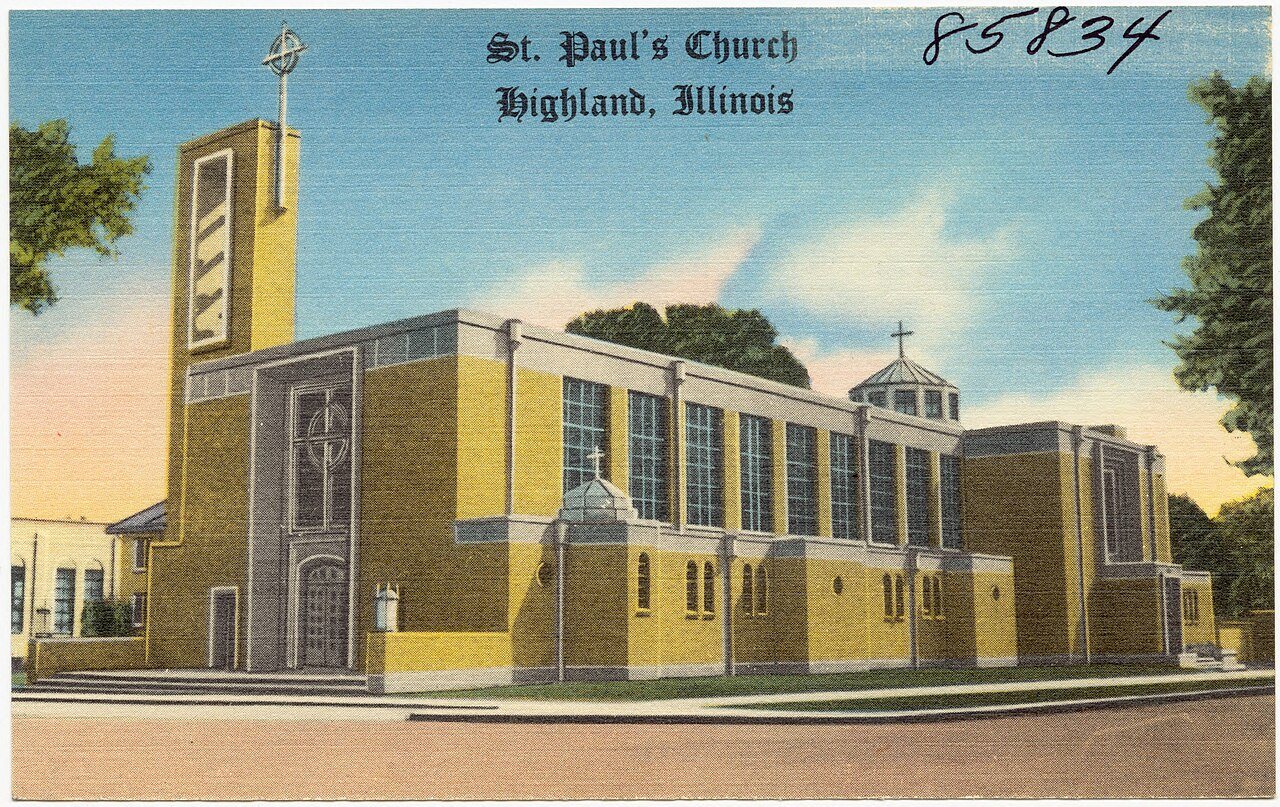


 c. 1930
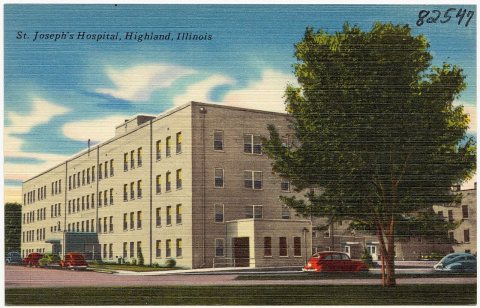 c. 1930
 c. 1930
 c. 1930
 2012
