76 years in pictures
Census counts: 1,548 in 1950, a peak of 5,347 in 1980, 1,813 in 2020. The archive holds 1 old photo or paper going back to 2021 and 6 maps from 1929 on.
- 1950Ford Heights is settled
Each edition grades its towns against each other only.
A town of 1,751, settled in 1950.
The best of Ford Heights’ subject grades is an A+ for walkability; the weakest is a D for schools. Only 48 of Illinois’ 1,285 towns score lower on history. Ford Heights's civic life (library use, community groups, volunteering) trails 85% of U.S. towns. Ford Heights has fewer than 2,500 residents, so it gets subject grades but no overall grade.
Where Ford Heights beats most towns.
2,763 counted in 2010 and 1,813 in 2020; an estimated 1,751 in 2025.
U.S. Census 2010 & 2020 counts · Census Bureau estimate, July 1, 2025
Each subject compared with towns across the country (schools within Illinois), ordered by how far Ford Heights is from typical.
How TownRatings grades towns →
Census counts: 1,548 in 1950, a peak of 5,347 in 1980, 1,813 in 2020. The archive holds 1 old photo or paper going back to 2021 and 6 maps from 1929 on.
Museums, parks, gardens and other places to visit around Ford Heights. Close and well known come first.
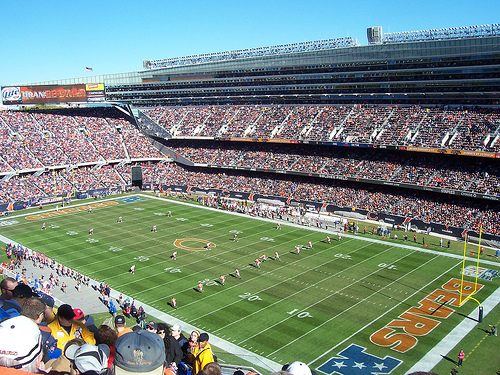
Big draw24 mi Stadium & arenaSoldier Field
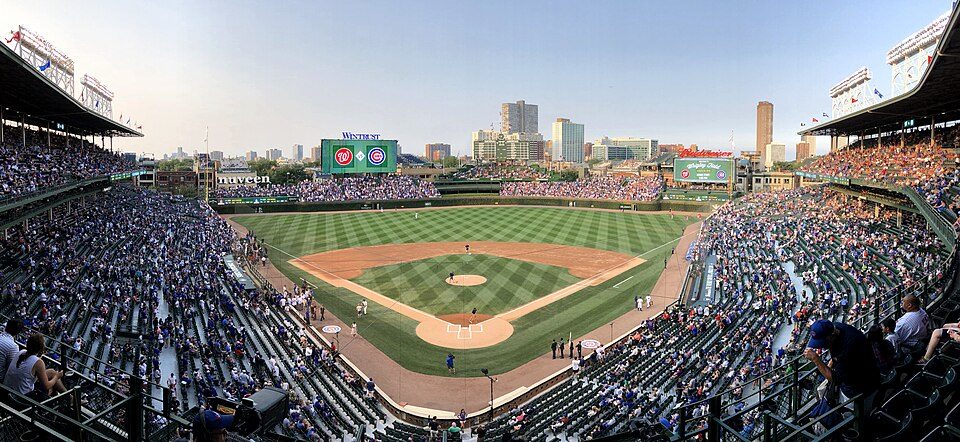
Big draw30 mi Stadium & arenaWrigley Field
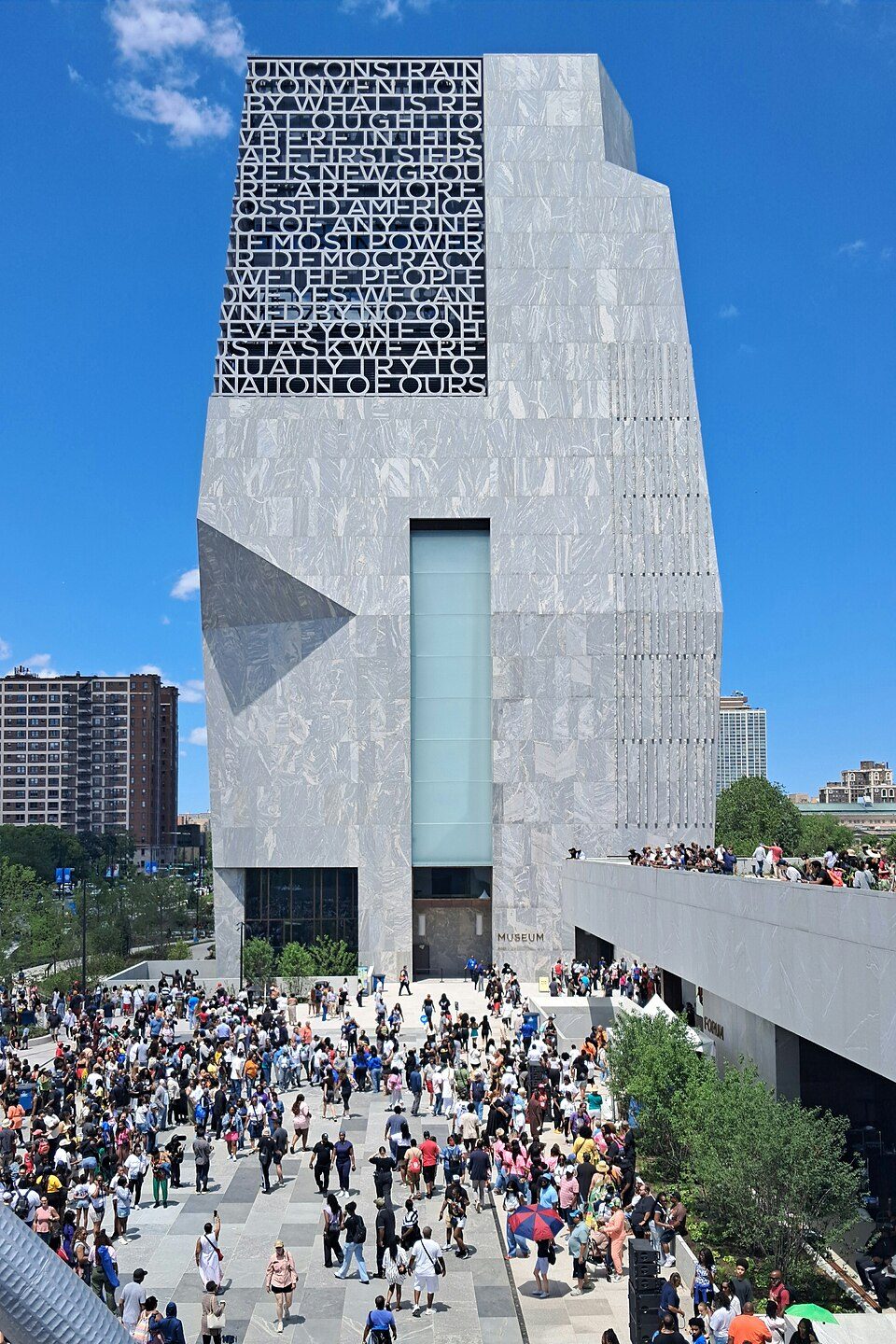
Big draw19 mi MuseumBarack Obama Presidential Center
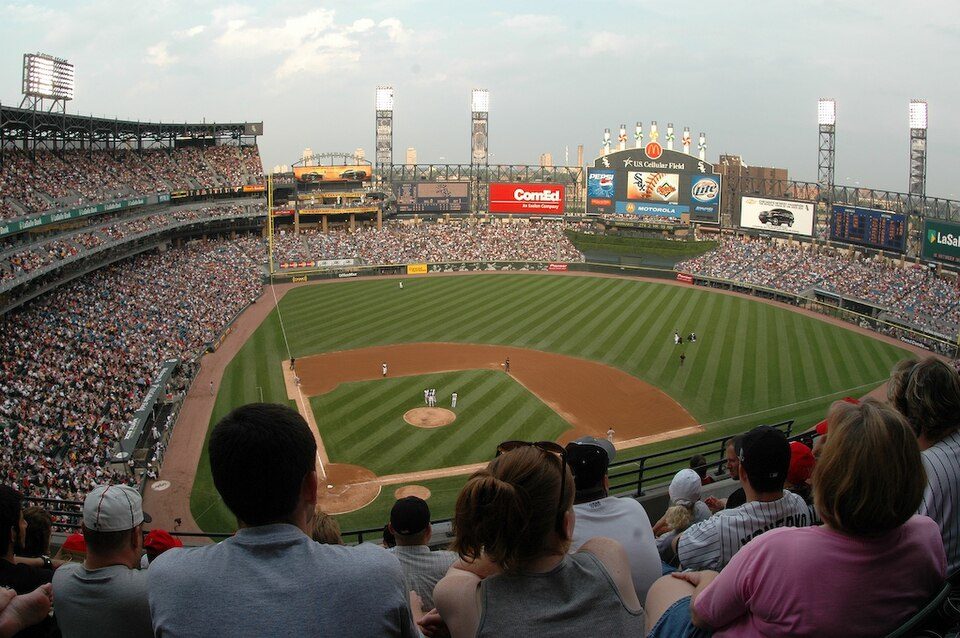
Big draw22 mi Stadium & arenaRate Field
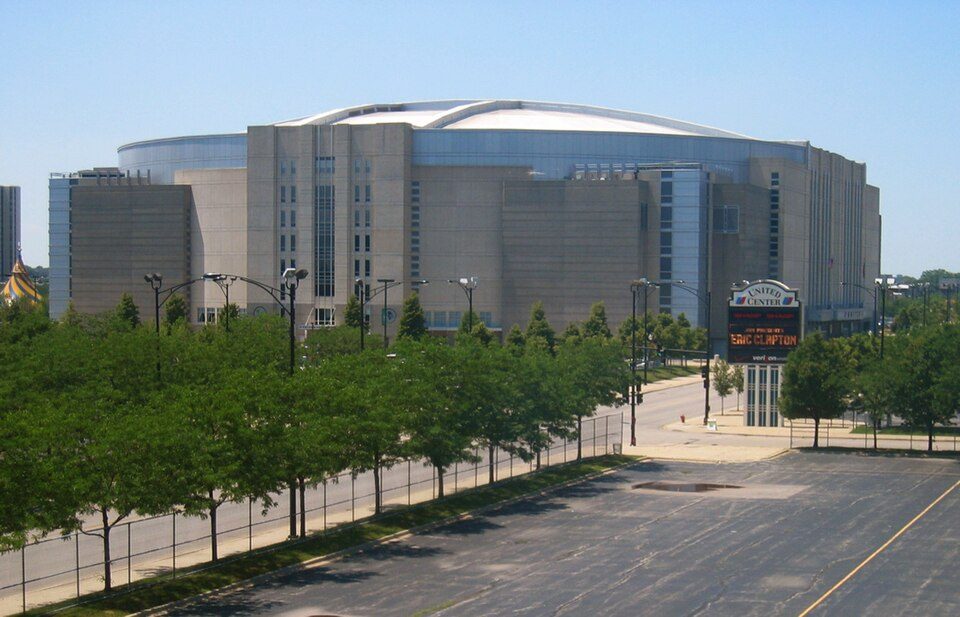
Big draw26 mi Stadium & arenaUnited Center
Big draw26 mi MuseumArt Institute of Chicago1.5M visitors a yearSoldier Field: Photo by Joon Han Contact: [email protected], CC BY-SA 3.0 · Wrigley Field: Ryan Dickey, CC BY 2.0 · Barack Obama Presidential Center: AlphaBeta135, CC0 · Rate Field: User Enoch Lai on en.wikipedia, CC BY-SA 3.0 · United Center: User:JeremyA, CC BY-SA 2.5 · Art Institute of Chicago: ajay_suresh, CC BY 2.0
Who provides power, water and the rest in Ford Heights, and how to reach them.
EPA SDWIS (Oct 9, 2026) · HIFLD + EIA-861 2025 · Census 2020 ZCTAs · NCES 2024–25 · registration: vote.gov, updated Sep 12, 2025.
Ordered by what stands out in Ford Heights.
The share of households in Ford Heights who own their home: 51%. In the year to September 2026, typical home values climbed 14%. Ford Heights’ going rate for rent stands at $1,056 a month, below both the Illinois town median ($1,129 a month) and the median of U.S. towns ($1,185 a month).
| Ford Heights | Illinois towns | U.S. towns | |
|---|---|---|---|
| Households that own their home | 51% | 75% | 73% |
| Median rent | $1,056 a month | $1,129 a month | $1,185 a month |
Census ACS, 2020–24 · Zillow Home Value Index · Redfin Data Center
The income of the median household for Ford Heights comes to $36,000. Among working residents here, 2.9% work locally, against 8.3% in Illinois’ towns and 8% across U.S. towns. The top destinations are Chicago (29%), Chicago Heights (6%) and Matteson (3%). Since 2013, Ford Heights has added 85 jobs, to 1,680 in 2023.
| Ford Heights | Illinois towns | U.S. towns | |
|---|---|---|---|
| Below the poverty line | 27% | 8.4% | 9.6% |
| Median household income | $36,000 | $83,000 | $80,000 |
| Average trip to work | 32 minutes | 26 minutes | 25 minutes |
| Working residents who work in town | 2.9% | 8.3% | 8% |
Census LEHD 2023 · ACS
18% of Ford Heights adults have diabetes. Only 10 of the 768 Illinois towns we compare have a lower share of adults who binge drink than Ford Heights. Also worth knowing: of 32 CDC measures, Ford Heights beats the Illinois average on 5 and trails it on 18.
| Ford Heights | Illinois towns | U.S. towns | |
|---|---|---|---|
| Diabetes (CDC PLACES) | 18% | 11% | 12% |
| Sleep under 7 hours (CDC PLACES) | 45% | 35% | 36% |
| Food insecurity (CDC PLACES) | 34% | 13% | 14% |
| Feel lonely (CDC PLACES) | 40% | 33% | 33% |
| What stands out | Ford Heights | IL |
|---|---|---|
| Fewer adults who have had cancer | 5% | 7.6% |
| Fewer binge drinkers | 13.7% | 17.8% |
| More adults facing a utility shut-off | 18.1% | 7.8% |
CDC PLACES 2025 · modeled estimates for adults · CMS · HRSA
Ford Heights’ FEMA risk score stands at 21 of 100. Paid flood insurance claims here since 1979: 73. Expected losses in Ford Heights break down as 53% from inland flooding and 18% from cold waves. Federal disaster aid has reached households in Ford Heights after 9 declared disasters, most recently in 2024.
FEMA flood insurance claims · FEMA disaster declarations and aid · FEMA National Risk Index · OpenFEMA
The range runs from 17° on a January night to 84° on a July afternoon, with about 28 inches of snow a winter.
NOAA U.S. Climate Normals, 1991–2020
9 within 15 miles of the center of Ford Heights
About 3 of every 100 Ford Heights residents are enrolled in college, against 6 across Illinois.
Where Ford Heights’s working residents go each day. Line width shows the share.
Census LEHD 2023
Village in Illinois, United States
Ford Heights (formerly East Chicago Heights) is a village in Cook County, Illinois, United States. The population was 1,813 at the 2020 census. A suburb of Chicago, many of the area's first settlers were African American and since its incorporation in 1949, the village has remained predominantly Black. Due to the lack of commercial activity and financial stability, the village has declined over the years. Urban renewal efforts were attempted in the 1960s, although the village has continued to decline.
From Wikipedia, licensed CC BY-SA 4.0 · facts via Wikidata (CC0)
2 towns share a border with Ford Heights.
| Town | IL rank | Overall | Cost | Safety | Schools | Health |
|---|---|---|---|---|---|---|
| Ford Heights | — | — | B+ | — | D | C− |
| Sauk Village | #735 | D | B− | C | D | D |
| Lynwood | #691 | D | C | — | C− | C |
Ford Heights has fewer than 2,500 residents, so it gets subject grades but no overall grade. Ford Heights and Lynwood report no FBI crime data of their own. Compare Ford Heights with a neighbor →
Short answers, built from the data on this page.
Not for the area. That is 1.1 years of the area's median household income ($90,887 across the Chicago-Naperville-Elgin, IL-IN metro area). Cost of living, which also weighs rents, property taxes and how many households pay 30% or more of their income for housing, grades B+.