Barrington Hills in pictures
Census counts: 1,726 in 1960, 4,114 in 2020. The archive holds 7 old photos and papers going back to 1930 and 6 maps from 1923 on.
4 places on the National Register of Historic Places.
Explore the history →Each edition grades its towns against each other only.
Few places in the country grade higher. Barrington Hills earns an A, 77th among Illinois's 767 graded towns. CDC estimates put its residents' health ahead of 95% of the country, the median household earns $205K, and its schools rank ahead of 90% of Illinois towns. The exception is cost of living: the typical home is worth about $1.1 million, 12 years of the Chicago metro’s $91K median household income. 66% of adults 25 and older hold a bachelor’s degree or more in Barrington Hills, where Illinois’ towns sit at 29% and U.S. towns at 29%. The biggest place to walk is Spring Lake Forest Preserve, 1,995 acres with 32.3 miles of trail. Among 458 Illinois towns, just 5 have a higher typical home value than Barrington Hills.
Where Barrington Hills beats most towns.
7.7% of the town is conserved land, across 10 parks and preserves.
Each subject compared with towns across the country (schools within Illinois), ordered by how far Barrington Hills is from typical.
Its grades run from A for health (better than 95% of comparable towns) to D− for cost of living (better than 2%), so the A overall blends very different results.
How TownRatings grades towns →
Census counts: 1,726 in 1960, 4,114 in 2020. The archive holds 7 old photos and papers going back to 1930 and 6 maps from 1923 on.
4 places on the National Register of Historic Places.
Explore the history →Museums, parks, gardens and other places to visit around Barrington Hills. Close and well known come first.
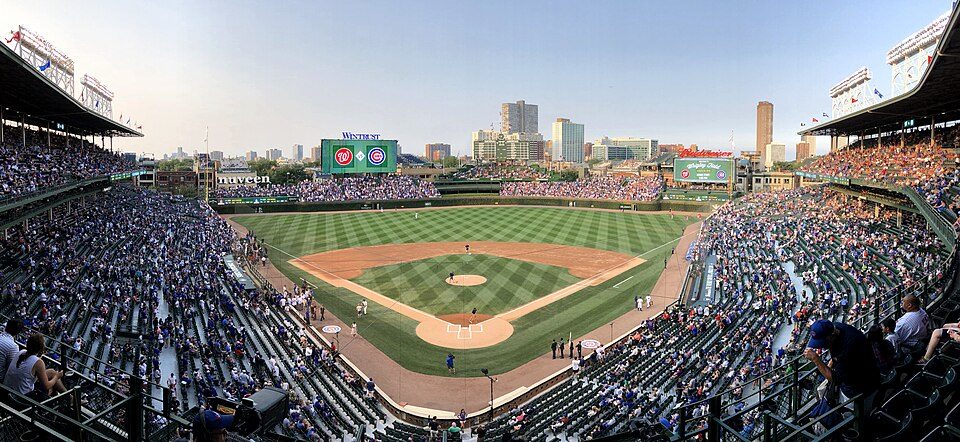
Big draw31 mi Stadium & arenaWrigley Field
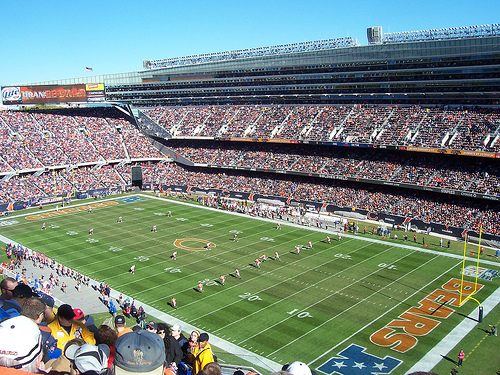
Big draw36 mi Stadium & arenaSoldier Field
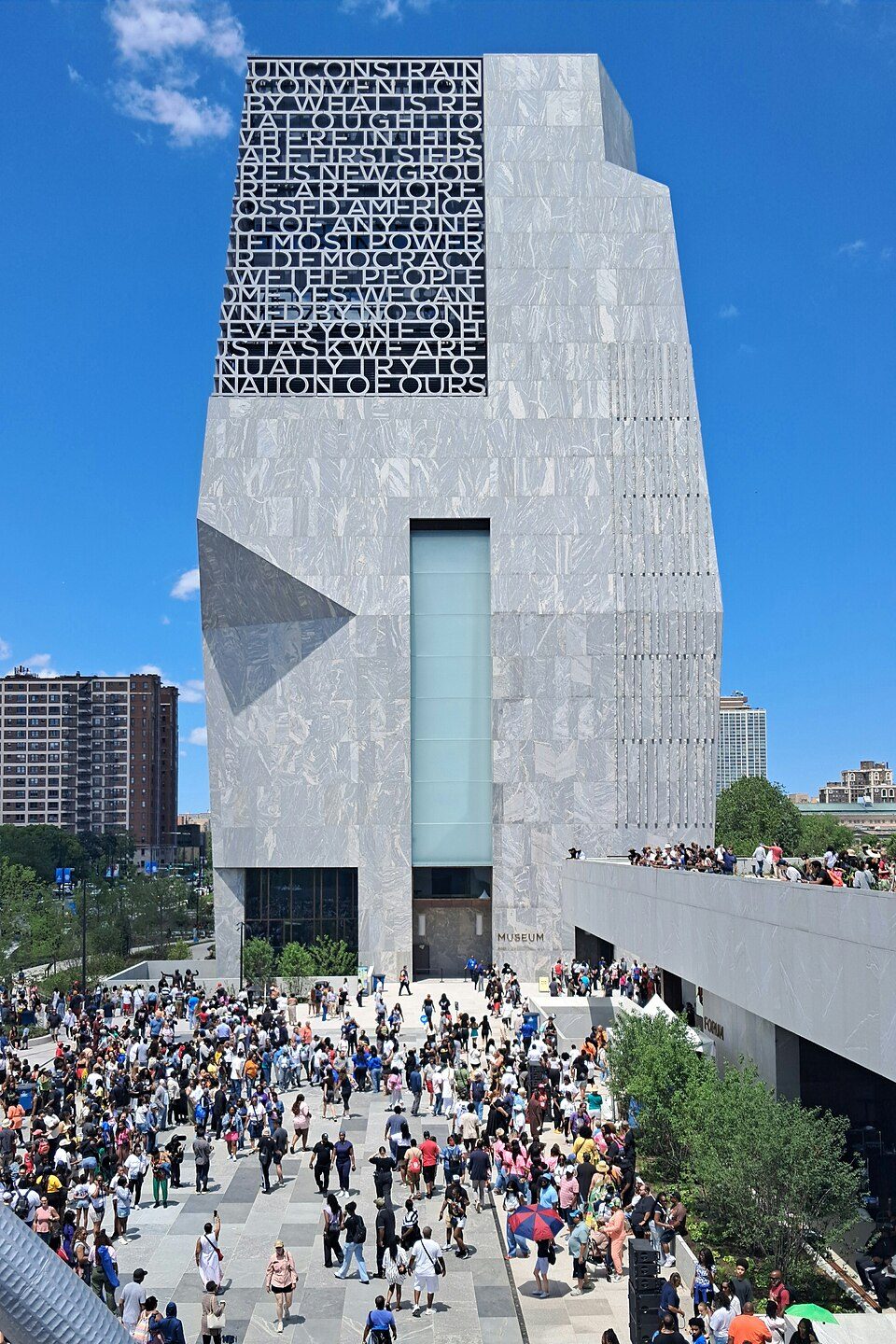
Big draw40 mi MuseumBarack Obama Presidential Center
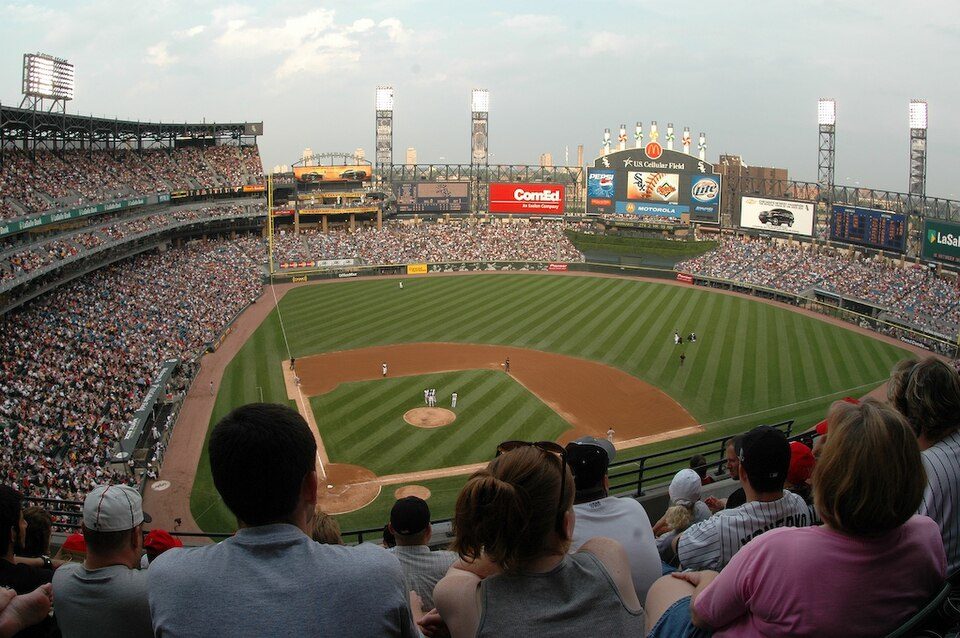
Big draw36 mi Stadium & arenaRate Field
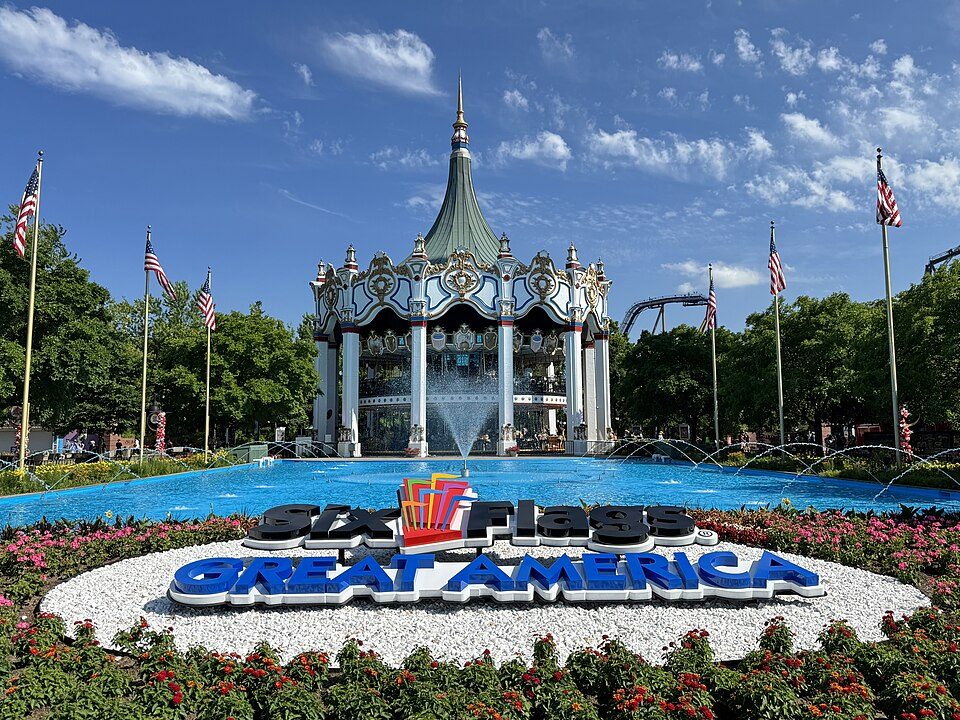
Big draw21 mi Theme parkSix Flags Great America3.0M visitors a year
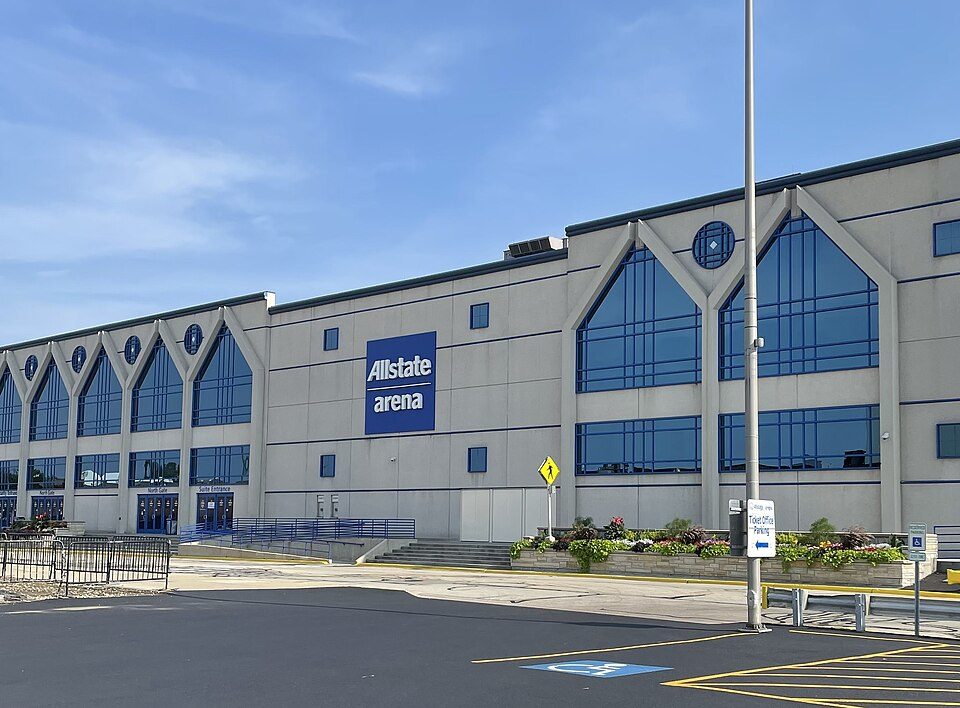
19 mi Stadium & arenaAllstate ArenaWrigley Field: Ryan Dickey, CC BY 2.0 · Soldier Field: Photo by Joon Han Contact: [email protected], CC BY-SA 3.0 · Barack Obama Presidential Center: AlphaBeta135, CC0 · Rate Field: User Enoch Lai on en.wikipedia, CC BY-SA 3.0 · Six Flags Great America: Feather Better, CC BY 4.0 · Allstate Arena: Nkon21, CC BY-SA 4.0
Who provides power, water and the rest in Barrington Hills, and how to reach them.
EPA SDWIS (Oct 9, 2026) · HIFLD + EIA-861 2025 · Census 2020 ZCTAs · NCES 2024–25 · registration: vote.gov, updated Sep 12, 2025.
Ordered by what stands out in Barrington Hills.
Barrington Hills has less food insecurity than most of Illinois and has household incomes well above the Illinois norm, but it has homes that cost more against local pay than most of Illinois.
At 12 years of the Chicago metro’s $91K median household income, the typical home (about $1.09M) costs more against local pay than in 99% of Illinois towns; that ratio is one input to its D− for cost of living.
Barrington Hills’ median rent is $3,282 a month. Typical home values rose 10% in the year to September 2026. The typical Barrington Hills home is worth about $1,088,000, up 10.2% in a year, 4 times the Illinois typical home.
Census ACS, 2020–24 · Zillow Home Value Index · Redfin Data Center
The trail density in Barrington Hills is 2.2 miles per square mile. 61 miles of trail in 10 parks and preserves. 7.7% of the land in Barrington Hills is conserved.
| Barrington Hills | Illinois towns | U.S. towns | |
|---|---|---|---|
| Miles of trail per square mile | 2.2 miles per square mile | 0.3 | 0.4 |
| Conserved land | 7.7% | 3.6% | 4.3% |
| Biggest places to walk | Trails | Acres |
|---|---|---|
| 1. Spring Lake Forest Preserve | 32.3 mi | 1,995 |
| 2. Spring Lake Preserve | 14.4 mi | 1,135 |
| 3. Helm Woods Forest Preserve | 3.8 mi | 246 |
Trails & parks © OpenStreetMap contributors · Conserved land: USGS PAD-US
Its widest gap with Illinois is food insecurity: 7.2% of its 3,213 adults worry about having enough food, against 15.9% statewide. Against the 961 U.S. towns with household incomes like Barrington Hills’s, it is less healthy than 65%: its national edge comes with its incomes.
12% of adults report frequent mental distress in Barrington Hills. Barrington Hills beats the Illinois average on 22 of 32 CDC measures and trails it on 3. 27% of adults have obesity in Barrington Hills.
| Barrington Hills | Illinois towns | U.S. towns | |
|---|---|---|---|
| Frequent mental distress (CDC PLACES) | 12% | 17% | 17% |
| Obesity (CDC PLACES) | 27% | 37% | 35% |
| Smoke cigarettes (CDC PLACES) | 8.3% | 13% | 14% |
| Frequent physical distress (CDC PLACES) | 10% | 13% | 14% |
| What stands out | Barrington Hills | IL |
|---|---|---|
| Fewer adults facing food insecurity | 7.2% | 15.9% |
| Fewer older adults who have lost all their teeth | 4.7% | 10.3% |
| More adults who have had cancer | 10.7% | 7.6% |
CDC PLACES 2025 · modeled estimates for adults · CMS · HRSA
Violent crime is rare: 3 reported in 2025, 0.7 per 1,000 residents.
FBI crime data, 2025 · crimes reported to police
26.4% of workers work from home, against 15.9% across Illinois.
Most working residents leave Barrington Hills for work: only 1% work in town. 26% of Barrington Hills workers work from home. Since 2013, Barrington Hills has added 97 jobs, to 734 in 2023.
| Barrington Hills | Illinois towns | U.S. towns | |
|---|---|---|---|
| Median household income | $205,000 | $83,000 | $80,000 |
| Work from home | 26% | 11% | 11% |
| Average trip to work | 30 minutes | 26 minutes | 25 minutes |
| Working residents who work in town | 0.9% | 8.4% | 8% |
Census LEHD 2023 · ACS
Barrington Hills has cold, snowy winters and pleasant summers. July afternoons reach 84°, January nights drop to 15° and about 32 inches of snow falls in a winter.
NOAA U.S. Climate Normals, 1991–2020
Expected storm and flood damage is lower than in 59% of U.S. communities. Since 1986, 3 flood insurance claims have been paid out in Barrington Hills.
FEMA flood insurance claims · FEMA National Risk Index · OpenFEMA
6 within 15 miles of the center of Barrington Hills
About 6 of every 100 Barrington Hills residents are enrolled in college, about the same as Illinois.
Where Barrington Hills’s working residents go each day. Line width shows the share.
Census LEHD 2023
Village in Illinois, United States
Barrington Hills is a village located about 40 miles (64 km) northwest of Chicago in the U.S. state of Illinois. Per the 2020 census, the population was 4,114. It straddles approximately 29 square miles (75 km2) over four counties, Cook, Kane, McHenry, and Lake. The Village of Barrington Hills was incorporated in 1957. The suburban village is included in the greater Barrington area. Many very affluent residents live on large estates and commute to downtown Chicago. A minimum 5-acre (2.0 ha) zoning restriction has been in effect on new construction since 1963, but the existence of equestrian farms antedates the village by decades. Farming and horse raising are allowed. Barrington Hills inclu…
From Wikipedia, licensed CC BY-SA 4.0 · facts via Wikidata (CC0)
10 towns share a border with Barrington Hills.
| Town | IL rank | Overall | Cost | Safety | Schools | Health |
|---|---|---|---|---|---|---|
| Barrington Hills | #77 | A | D− | A | A | A |
| Barrington | #16 | A+ | C− | A− | A | A+ |
| Carpentersville | #309 | B+ | C+ | B+ | B+ | B− |
| South Barrington | #41 | A+ | D | A− | A | A+ |
| Fox River Grove | #73 | A | C− | A | A− | A |
| Algonquin | #186 | A− | C− | B+ | B+ | A |
| Lake Barrington | #299 | B+ | D− | — | A | A |
| Inverness | #28 | A+ | D | A | A− | A+ |
Lake Barrington reports no FBI crime data of its own. Compare Barrington Hills with a neighbor →
Short answers, built from the data on this page.
Yes, by almost any measure. Barrington Hills grades A overall, better than 94% of U.S. towns and #77 of 767 in Illinois. It grades A for health, A for safety and A for schools. Cost of living is its weak spot, with a D−.
Yes. The typical home is worth about $1,088,000, 268% above the Illinois typical home and up 10.2% in a year. Cost of living, which also weighs rents, property taxes and how many households pay 30% or more of their income for housing, grades D−.