
Wailuku Sugar Company, Reservoir No. 1, Southwest of Honoapiilani Highway and Waikapu Road
Waikapu’s story
Waikapu in pictures
The archive holds 3 old photos and papers.
Explore the history →Each edition grades its towns against each other only.

A town of 3,591.
The best of Waikapu’s subject grades are an A for health and incomes; the weakest is a D− for walkability. On walkability, just 2 of Hawaii’s 125 towns do worse. FEMA rates its natural-hazard risk higher than 85% of U.S. communities, with inland flooding at the top. Among 93 Hawaii towns, just 5 have a higher July high than Waikapu. 43% of the land in Waikapu is conserved, where Hawaii’s towns sit at 12% and U.S. towns at 4.3%. Waikapu has no overall grade: it has no figures for safety and schools, and an overall grade needs at least three of the four big subjects (cost of living, safety, schools and health).
Where Waikapu beats most towns, and one thing worth knowing.
2,965 counted in 2010 and 3,437 in 2020.
U.S. Census 2010 & 2020 counts
Each subject compared with towns across the country (schools within Hawaii), ordered by how far Waikapu is from typical.
Waikapu has no overall grade: it has no figures for safety and schools, and an overall grade needs at least three of the four big subjects (cost of living, safety, schools and health).
How TownRatings grades towns →
The archive holds 3 old photos and papers.
Explore the history →Waikapu is unincorporated, so Maui County and regional agencies provide most services.
EPA SDWIS (Oct 9, 2026) · HIFLD + EIA-861 2025 · Census 2020 ZCTAs · NCES 2024–25 · registration: vote.gov, updated Nov 18, 2024.
Ordered by what stands out in Waikapu.
1.6 miles of trail in 0 parks and preserves. Waikapu’s trail density is 0.2 miles per square mile, against 0.6 in Hawaii’s towns and 0.4 across U.S. towns.
Trails & parks © OpenStreetMap contributors · Conserved land: USGS PAD-US
Waikapu beats the Hawaii average on 10 of 32 CDC measures and trails it on 3. 72% of Waikapu adults had a checkup this year. Only 8 of the 93 Hawaii towns we compare have a lower share of adults who get no exercise outside work than Waikapu.
| Waikapu | Hawaii towns | U.S. towns | |
|---|---|---|---|
| Yearly checkup (CDC PLACES) | 72% | 76% | 79% |
| High blood pressure (CDC PLACES) | 26% | 31% | 35% |
| Binge drink (CDC PLACES) | 21% | 19% | 16% |
| Depression (CDC PLACES) | 16% | 17% | 23% |
| What stands out | Waikapu | HI |
|---|---|---|
| Fewer adults with heart disease | 4.6% | 6.2% |
| Fewer adults who have had a stroke | 2.9% | 3.7% |
| More binge drinkers | 20.6% | 17.4% |
CDC PLACES 2025 · modeled estimates for adults · CMS · HRSA
FEMA National Risk Index · OpenFEMA
Most working residents leave Waikapu for work: only 2% work in town. The median household income in Waikapu is $123,000. Jobs based in Waikapu grew to 352 in 2023, 187 more than in 2013.
| Waikapu | Hawaii towns | U.S. towns | |
|---|---|---|---|
| Median household income | $123,000 | $100,000 | $80,000 |
| Average trip to work | 22 minutes | 28 minutes | 25 minutes |
| Below the poverty line | 4.8% | 9.7% | 9.6% |
| Working residents who work in town | 1.6% | 3.7% | 8% |
Census LEHD 2023 · ACS
Children under 18 are 30% of residents (21% statewide); people 65 and older are 13% of residents (20% statewide). 39% of adults 25 and older hold a bachelor’s degree or more in Waikapu.
| Waikapu | Hawaii towns | U.S. towns | |
|---|---|---|---|
| Under 18 | 30% | 22% | 22% |
| Aged 65 or older | 13% | 20% | 18% |
| Median age | 36.8 years | 41.3 years | 40.5 years |
| Bachelor’s degree or more, 25+ | 39% | 31% | 29% |
53% women, 47% men
About 90 men for every 100 women (the survey’s margin: ±2.1 points). Across Hawaii, 49.8% of residents are women.
| Waikapu | HI | U.S. | |
|---|---|---|---|
| Under 10 | 16.6% | 11.3% | 11.6% |
| 10 to 17 | 13.8% | 9.4% | 10.3% |
| 18 to 24 | 6.6% | 8.1% | 9.1% |
| 25 to 34 | 10% | 13.3% | 13.7% |
| 35 to 44 | 16.1% | 13.3% | 13.2% |
| 45 to 54 | 16.8% | 11.8% | 12.2% |
| 55 to 64 | 7.5% | 12.4% | 12.7% |
| 65 to 74 | 7.8% | 11.4% | 10.2% |
| 75 and older | 4.8% | 9% | 7% |
| No diploma | 1.1% | 6.8% | 10.4% |
| High school | 30.2% | 26.5% | 26% |
| Some college | 21.9% | 19.6% | 19.1% |
| Associate’s | 8% | 10.9% | 8.8% |
| Bachelor’s | 22.1% | 22.8% | 21.6% |
| Graduate | 16.7% | 13.3% | 14.1% |
U.S. Census Bureau · ACS 2020-2024 5-year estimates · in a town of 3,600, single groups can be off by several points
Waikapu has warm winters and warm summers, with very little rain. Waikapu’s January low is 64°F.
NOAA U.S. Climate Normals, 1991–2020
Zillow Home Value Index · Redfin Data Center
Museums, parks, gardens and other places to visit around Waikapu. Close and well known come first.
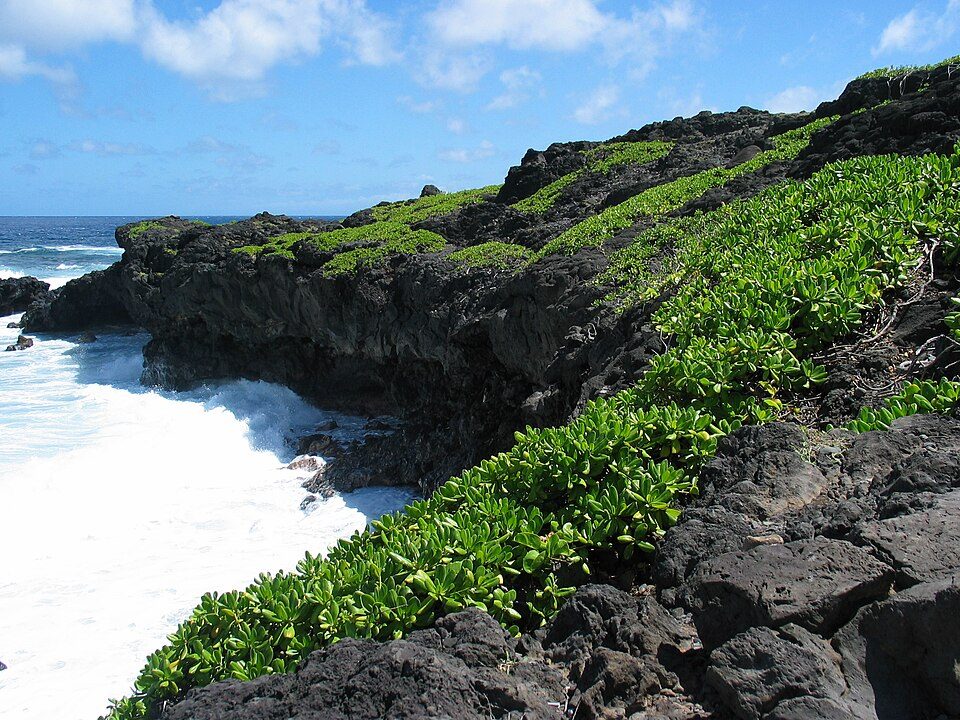 19 mi National ParkHaleakala National Park854K visitors a year
 3 mi Zoo & aquariumMaui Ocean Center
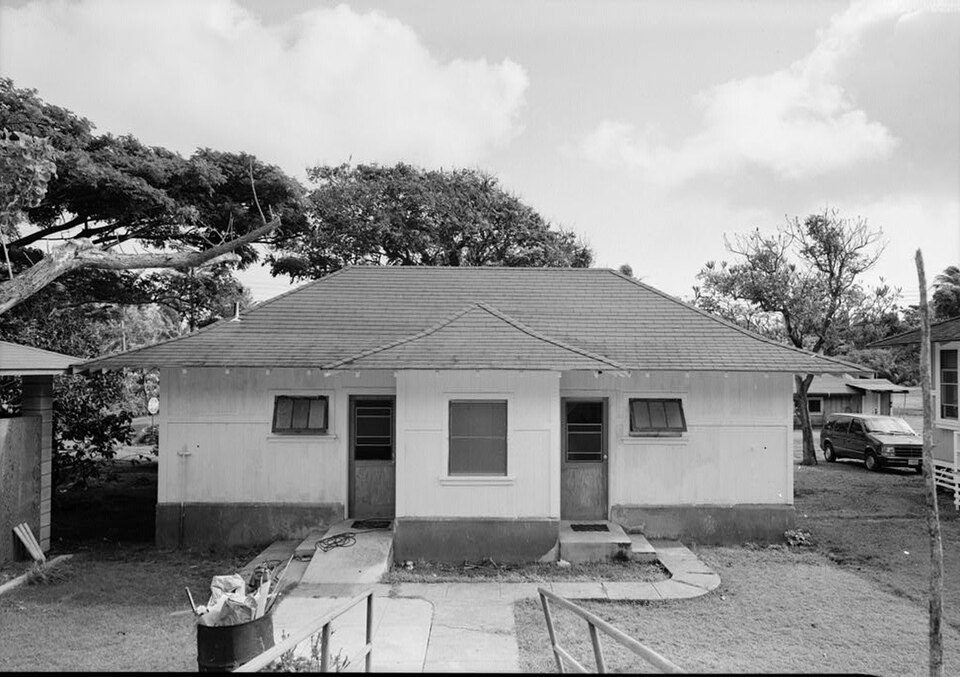 31 mi National Historical ParkKalaupapa National Historical Park15K visitors a year
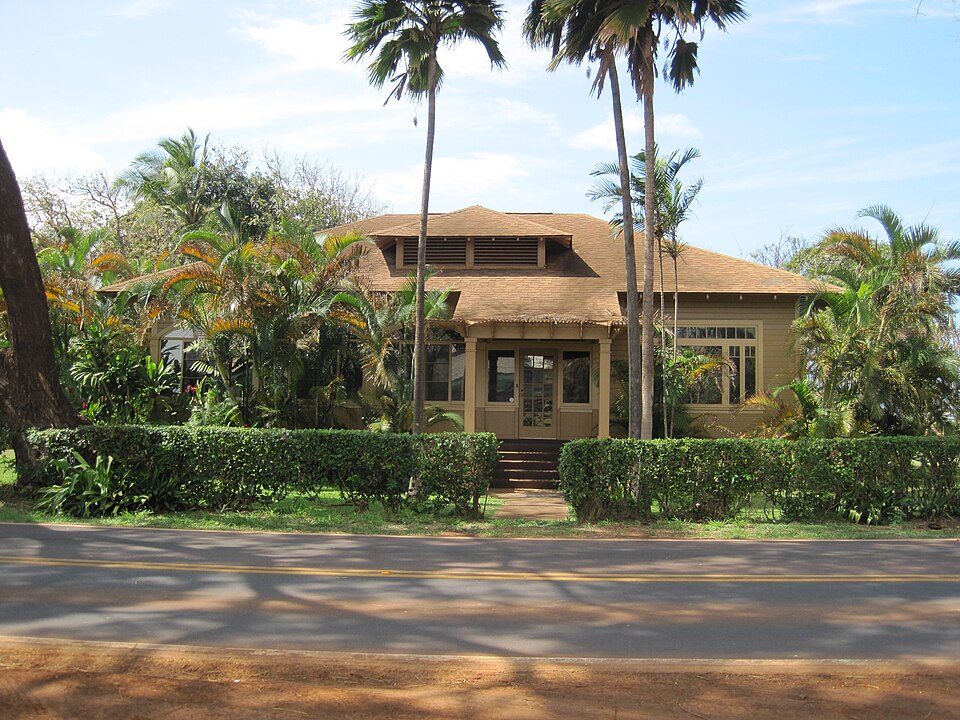 5 mi MuseumAlexander & Baldwin Sugar Museum
 5 mi GardenMaui Nui Botanical Gardens
 32 mi GardenKahanu Garden
Haleakala National Park: Michael Oswald, Public domain · Maui Ocean Center: Richard N Horne, CC BY-SA 4.0 · Kalaupapa National Historical Park: Jack Boucher, Public domain · Alexander & Baldwin Sugar Museum: Joel Bradshaw, Public domain · Maui Nui Botanical Gardens: Forest and Kim Starr, CC BY 3.0 us · Kahanu Garden: dronepicr, CC BY 2.0
1 within 15 miles of the center of Waikapu
About 2 of every 100 Waikapu residents are enrolled in college, against 6 across Hawaii.
Where Waikapu’s working residents go each day. Line width shows the share.
Census LEHD 2023
Census-designated place in Hawaii, United States
Waikapū is a census-designated place (CDP) in Maui County, Hawaii, United States. The population was 3,437 at the 2020 census.
From Wikipedia, licensed CC BY-SA 4.0 · facts via Wikidata (CC0)
3 towns share a border with Waikapu.
Waikapu, Wailuku and Kahului report no FBI crime data of their own. Waikapu, Wailuku, Kahului and Maalaea aren’t graded (fewer than 1,000 residents, or not enough data). Compare Waikapu with a neighbor →
Short answers, built from the data on this page.
Waikapu has no overall grade: it has no figures for safety and schools, and an overall grade needs at least three of the four big subjects (cost of living, safety, schools and health).
The typical home is worth about $884,000, 6% above the Hawaii typical home. Cost of living, which also weighs rents, property taxes and how many households pay 30% or more of their income for housing, grades C.


