

The story so far
Athens, in brief
Wikipedia doesn’t have a history of Athens yet. The photos, dates and memories neighbors add here are how it gets written.
Between the 2010 and 2020 censuses its population grew from 116,714 to 128,671 (+10%).
Each edition grades its towns against each other only.
More historic than 66% of U.S. towns · #74 of 263 in Georgia. What drives it
60 places in town are on the National Register, among them the Henry W. Grady House, a National Historic Landmark, and ten historic districts with 1,413 buildings between them. Most of Athens was built recently: 5% of its homes predate 1940 and the median home dates from 1987. Below: maps from 1964 on and old-book passages.
More historic than 66% of U.S. towns, on its age, its old homes and the National Register.
On its age, its old homes and the National Register, Athens is more historic than 66% of U.S. towns, #74 of 263 in Georgia. Its National Register listings hold the grade up; its share of homes from before 1940 pulls it down.
Among the 400 U.S. cities of 100,000 or more, Athens ranks #187 on History.
Georgia towns list more on the Register than most of the country (a typical Georgia town has 10.0 per 10,000 residents, the U.S. 2.4), so Athens’ 118 sits above most of its state (73% of Georgia towns have fewer) while its 1,530 historic buildings outnumber those of 99% of U.S. towns.
Founding year: our sources. Homes: Census ACS 2020–24. National Register: National Park Service, May 2026 list; each listing counted once (boundary changes and added documentation belong to their listing), and a historic district counts its contributing buildings. How TownRatings grades history →
Read from the archive, the National Register and the record. The page puts what stands out first.
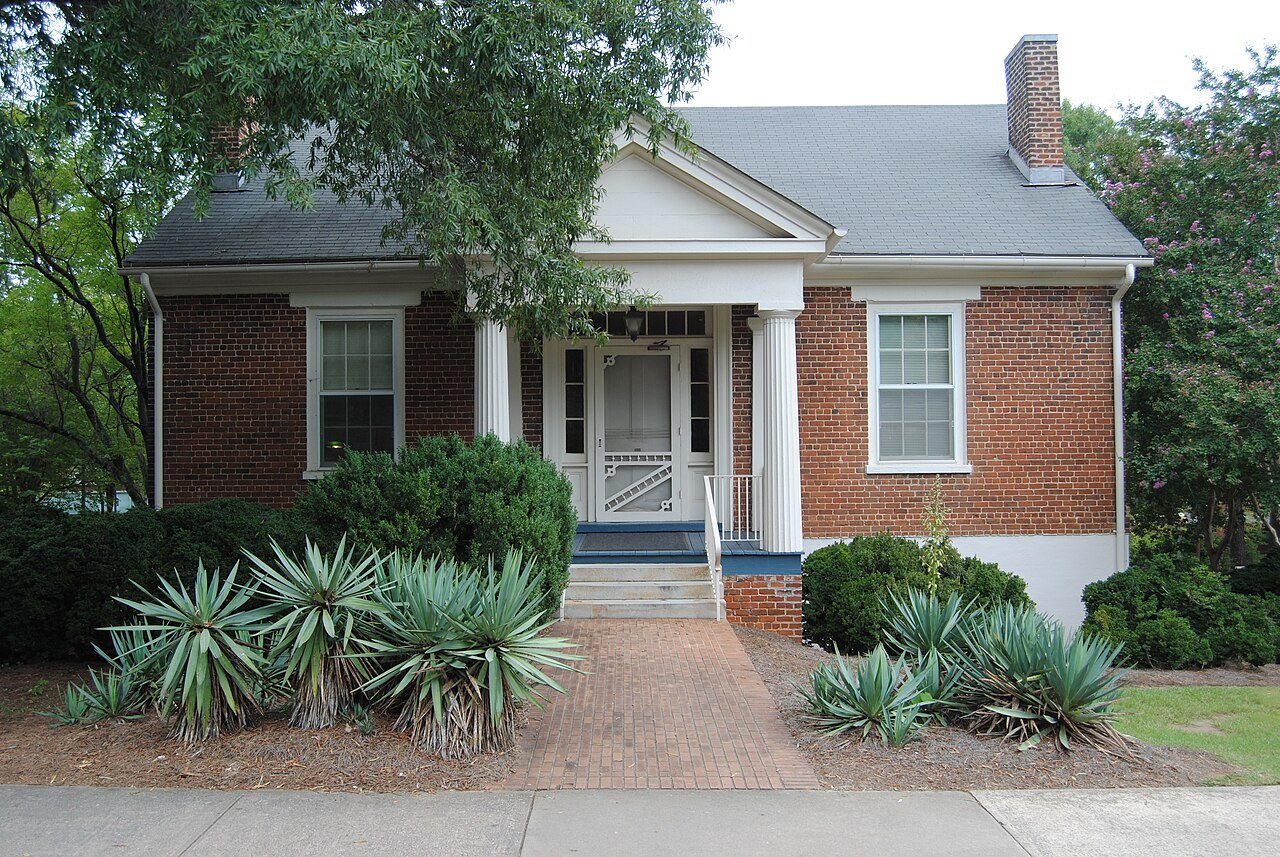
The country’s official list of buildings and places worth saving. One is a National Historic Landmark, the highest tier. Boundary changes and added documentation are counted with their listing.
 ★ Landmark


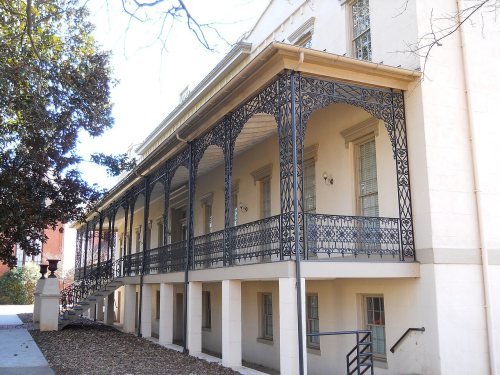


National Park Service, National Register of Historic Places. Photos from Wikimedia Commons, credited on each place’s page.
Athens’s post office has been open since 1802. Another post office, White Hall, opened and closed inside today’s town.
US Post Offices dataset (Blevins & Helbock, CC0). Places and cemeteries from the USGS Geographic Names Information System (2021).
Wikipedia doesn’t have a history of Athens yet. The photos, dates and memories neighbors add here are how it gets written.
Between the 2010 and 2020 censuses its population grew from 116,714 to 128,671 (+10%).
Passages that mention Athens, cut from the printed page as they were published.

The city of Athens put $100,000 into th-3 capital stock of the North Eastern Railroad and afterwards gave it away to the Southern for nothing.
Text read by machine from the scan; it may contain errors.
The Georgia Railroad, one of the most important enterprises in the State, had its inception in Athens. The first meeting in its interests was held here in June, 1833, with Mr. Asbury Hull as chairman, and he introduced the bill for its incorporation in the Legislature the same vear. For many years the annual meetings were held here, and all its directors were Athens men
Text read by machine from the scan; it may contain errors.Scans and text from the Internet Archive. Books published in 1930 or earlier, which are in the public domain.
Woven from the archive, old maps, post office records, the National Register and the people born here.
BuiltPresident's House is builtBuiltLucy Cobb Institute Campus is built BuiltJames A. Sledge House is built
 BuiltCarnegie Library Building is built
 On the mapFirst mapped by the U.S. Geological Survey
Weddings on Main Street, storms, parades, school pictures, the old store. If it’s in your family album, it belongs here.
Every edition of the U.S. Geological Survey’s map of Athens. Tap a year, or press play to watch the town change.

U.S. Geological Survey historical topographic maps (public domain), via Esri’s collection of the scans. The red ring marks the center of Athens.
The first neighbors to add old photos shape how Athens’s history is told.
Each neighbor’s History grade, on the same three inputs.
Athens is more historic than 66% of U.S. towns, #74 of 263 in Georgia. The History grade combines the town’s founding era, the share of homes built before 1940 and its National Register listings. It’s a character grade, so it isn’t part of the overall grade. How it works.
60 listings: 36 buildings, among them the Henry W. Grady House (a National Historic Landmark since 1976) and the Wilkins House (listed 1970, the first), 21 historic districts with 1,413 contributing buildings, and 2 sites. 1,530 historic buildings in all.
5% of Athens’ homes were built before 1940 (Census estimate), against a typical 3.8% for a Georgia town; the median home was built in 1987.
What the archives can’t tell you, neighbors can.
Founding dates: Wikidata, Wikipedia, the U.S. post office records of Blevins & Helbock (CC0) and the Census. Homes by year built: Census ACS 2020–24. National Register of Historic Places: National Park Service (list of May 22, 2026). Old photos, postcards and papers: Wikimedia Commons, the Library of Congress and other public archives, credited on each item’s page. Maps: U.S. Geological Survey historical topographic maps (via Esri) and Sanborn fire-insurance maps (Library of Congress). History text and census tables: Wikipedia (CC BY-SA 4.0). Places that used to be: USGS Geographic Names Information System (2021).
From the National Register of Historic Places (59), U.S. Geological Survey historical maps, the US Post Offices dataset (Blevins & Helbock), the USGS Geographic Names Information System and old county and town histories (Internet Archive). Archive images are copied here with their credits and licenses, shown on each photo’s page. Refreshed monthly.


