Palm Springs was first counted by the census in 1960
More historic than 3% of U.S. towns · #591 of 638 in Florida. What drives it
Most of Palm Springs was built recently: 0.6% of its homes predate 1940 and the median home dates from 1978. Below: 1 old photo or paper, maps from 1946 on, and the census since 1960.
On its age, its old homes and the National Register, Palm Springs is more historic than 3% of U.S. towns, #591 of 638 in Florida. Its National Register listings hold the grade up; its age pulls it down.
D−
HistoryA character grade: shown, never part of Palm Springs’ overall grade.
Few Florida towns list much on the Register (a typical Florida town has 0.0 per 10,000 residents, the U.S. 2.4), so Palm Springs’ 0.0 sits below most of its state (33% of Florida towns have fewer) while its 0 listings outnumber those of 23% of U.S. towns.
How sure. Graded on any two of the three inputs instead, the letter would range from D− to D. The pre-1940 share (±0.5 points) is firm at this size.
Founding year: the first census (other dates in Quick answers). Homes: Census ACS 2020–24. National Register: National Park Service, May 2026 list; each listing counted once (boundary changes and added documentation belong to their listing), and a historic district counts its contributing buildings. How TownRatings grades history →
What stands out about Palm Springs’ past
Read from the archive, the National Register and the record. The page puts what stands out first.
Residents of Lake Worth (now the city of Lake Worth Beach) proposed to town commissioners in May 1922 that a municipal country club and golf course be constructed to attract winter tourists. According to The Lake Worth Herald, the facility would be located west of the town at "Section 19, Township 44 South, Range 43 East", an area that is now part of Palm Springs. However, a referendum held in the following month rejected the proposal by a narrow margin. Instead, Lake Worth's municipal golf course opened along the Intracoastal Waterway in November 1926. Commissioners nonetheless approved an ordinance that month to annex 1,800 acres (730 ha) of land west of the city's boundaries, extending as far as 660 ft (200 m) west of Military Trail; this included parts of modern-day Palm Springs.
Nothing in the archives for these yearsWeddings on Main Street, storms, parades, school pictures, the old store. If it’s in your family album, it belongs here.
The Palm Springs post office opened in 1960, the earliest record of the town by name (U.S. post office records).
How does Palm Springs rank for history?
Palm Springs is more historic than 3% of U.S. towns, #591 of 638 in Florida. The History grade combines the town’s founding era, the share of homes built before 1940 and its National Register listings. It’s a character grade, so it isn’t part of the overall grade. How it works.
How old are the homes in Palm Springs?
0.6% of Palm Springs’ homes were built before 1940 (Census estimate), against a typical 0.6% for a Florida town; the median home was built in 1978.
Founding dates: Wikidata, Wikipedia, the U.S. post office records of Blevins & Helbock (CC0) and the Census. Homes by year built: Census ACS 2020–24. National Register of Historic Places: National Park Service (list of May 22, 2026). Old photos, postcards and papers: Wikimedia Commons, the Library of Congress and other public archives, credited on each item’s page. Maps: U.S. Geological Survey historical topographic maps (via Esri) and Sanborn fire-insurance maps (Library of Congress). History text and census tables: Wikipedia (CC BY-SA 4.0). Places that used to be: USGS Geographic Names Information System (2021).
From Wikimedia Commons (7), Wikipedia, U.S. Geological Survey historical maps, U.S. Census counts (via Wikipedia), the US Post Offices dataset (Blevins & Helbock) and the USGS Geographic Names Information System. Archive images are copied here with their credits and licenses, shown on each photo’s page. Refreshed monthly.


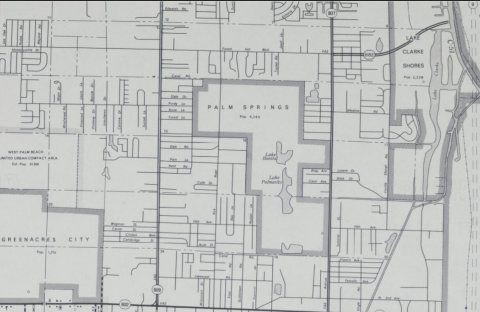
 2022
 2021
 2021
 2021
 2021
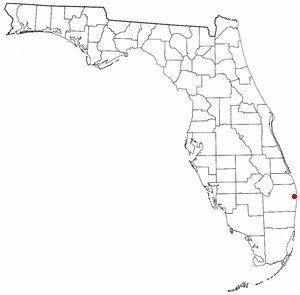 2004


