Guest, Sign inJoin

Post to Miami

We’ll email a one-tap link to publish your post. No password, and nothing is public until you click it.
Already a member? Sign in
Villa Vizcaya 20110228
Florida›Miami-Dade County
Photo: Averette · CC BY 3.0
Photo of Miami

Miami, FL · Photo: Averette · CC BY 3.0 · Source ↗

What is it like to live in Miami?

Miami is a city of 489,812, and it grades C− overall, ranked 493rd of 634 in Florida. It is among the most walkable places in the country. The trade-offs: the typical home is worth about $584K, 7.6 years of the Miami metro’s $77K median household income, and its police reported 1,787 violent crimes reported to the FBI in 2025, a higher rate per resident than 87% of U.S. towns. 34% of working residents work locally in Miami, where Florida’s towns sit at 5% and U.S. towns at 8%. Its National Register listings include Vizcaya and Freedom Tower. Only 9 of the 638 Florida towns we compare have a lower share of households owning their home than Miami.

What makes Miami stand out

Where Miami beats most towns.

Vizcaya
Vizcaya · National Register of Historic Places
Miami’s story

201 years in pictures

Vizcaya is one of 4 National Historic Landmarks here, the National Register’s top tier. Its founding year, 1825, comes before those of 96% of the Florida towns we grade with a known year.

Census counts: 1,681 in 1900, 442,241 in 2020. The archive holds 9 old photos and papers going back to 1900 and 4 maps from 1950 on.

74 places on the National Register of Historic Places.

  • 1825Miami is settled
Explore the history →

How Miami grades

Each subject compared with towns across the country (schools within Florida), ordered by how far Miami is from typical.

How grading works

Its grades run from A+ for walkability (better than 99% of comparable towns) to D− for cost of living (better than 1%), so the C− overall blends very different results.

Character Graded, but not part of the overall grade.
Described, not graded Taste, not quality: snow or an older crowd is neither good nor bad.

How TownRatings grades towns →

Nearby attractions

Nu Stadium and 66 more within 40 miles

Museums, parks, gardens and other places to visit around Miami. Close and well known come first.

All 77 attractions →
Sources: National Park Service · ski areas © OpenSkiMap / OpenStreetMap contributors · Wikidata · Wikipedia readership · photos via Wikimedia Commons
Photo credits

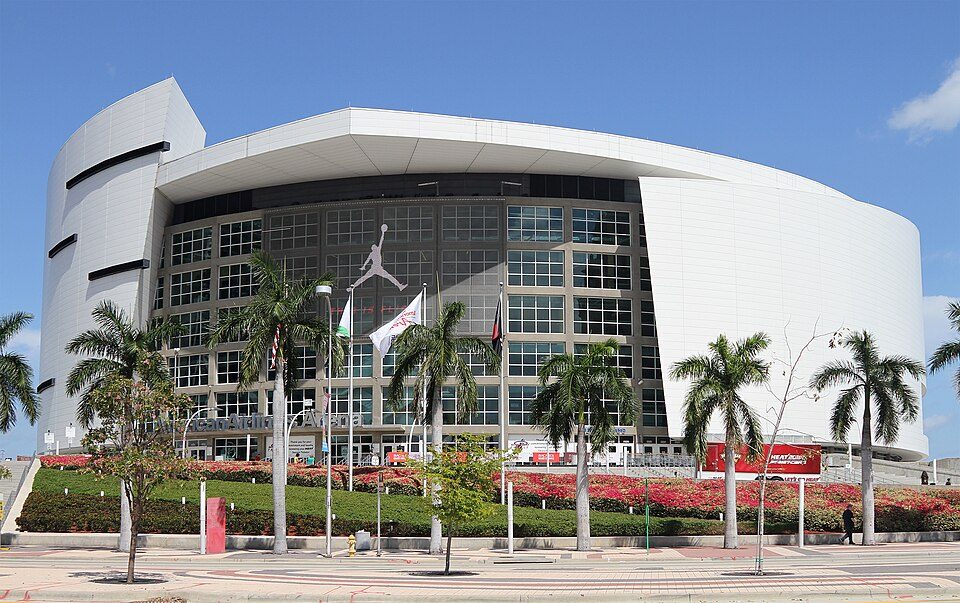
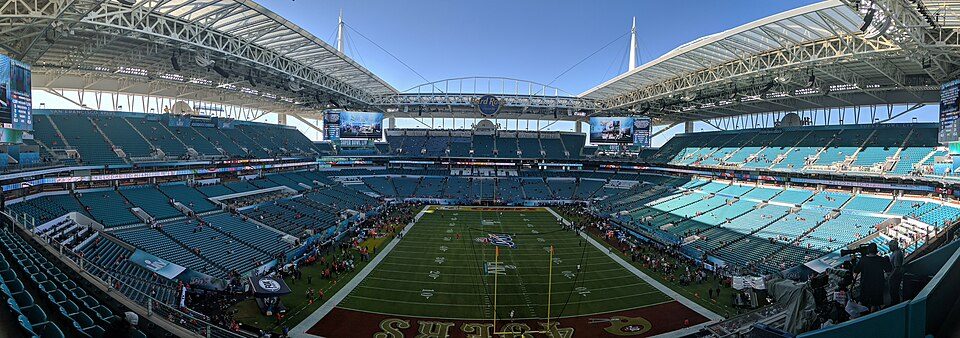
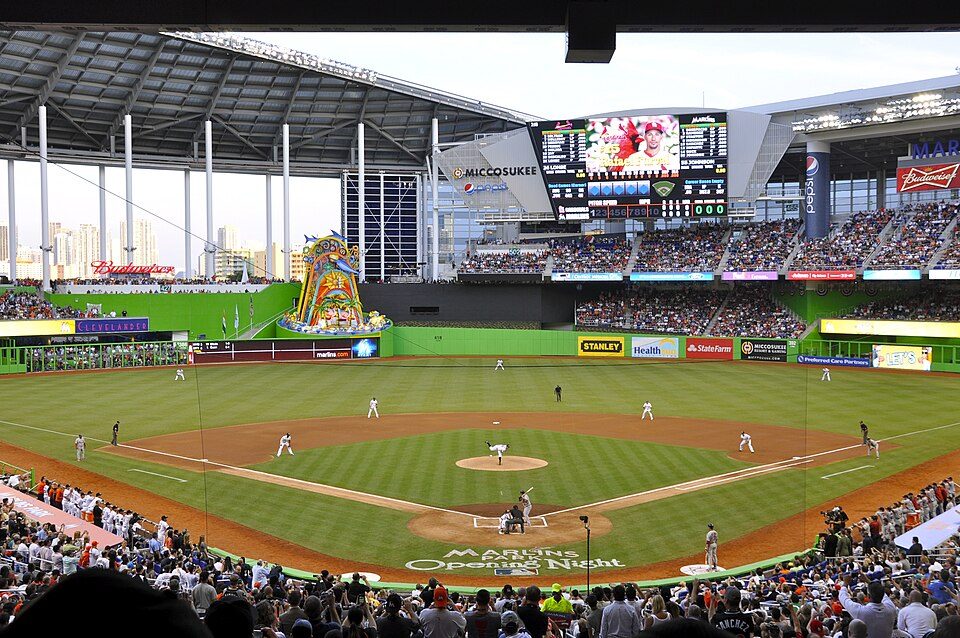
Nu Stadium: Cuban Boy, CC0 · Kaseya Center: jjron, GFDL 1.2 · Hard Rock Stadium: elisfkc2, CC BY-SA 2.0 · LoanDepot Park: Roberto Coquis, CC BY 2.0 · Vizcaya Museum and Gardens: Ebyabe, CC BY-SA 3.0 · Everglades National Park: Everglades NPS from Homestead, Florida, United States, Public domain

Getting set up

Moving to Miami: who provides what

Who provides power, water and the rest in Miami, and how to reach them.

The full setup list →
PowerFPL14.6¢/kWh · EIA 2025HIFLD · EIA
WaterMiami-Dade Water and Sewer DepartmentNo health-based violations in 5 years · EPAEPA
Internet5 providers100% of addresses get 100/20 MbpsFCC
Trash & dumpBy addressDay by addressTown site
SchoolsDade County School DistrictWhich school depends on your addressNCES
Register to voteOnlineIn Florida you can register online until 29 days before Election Day, in person until 29 days before Election Day, or by mail (postmarked 29 days before).vote.gov
Who runs elections hereMiami-Dade Supervisor of ElectionsMiami-Dade County; contacts on the Handbook page.FVAP, Sep 2026
ZIP codes33125, 33135, 33130, 3314233125 12% · 33135 8% · 33130 8% · 33142 8%Census 2020

EPA SDWIS (Oct 9, 2026) · HIFLD + EIA-861 2025 · Census 2020 ZCTAs · NCES 2024–25 · registration: vote.gov, updated Nov 17, 2025.

The data

Ordered by what stands out in Miami.

Miami draws workers from Hialeah and beyond, is healthier than towns with similar incomes and has milder winter nights than nearly all U.S. towns.

Work & commuteJobs & income grade C+

About one in three working residents works right in Miami

306,106 jobs are based in Miami, 1.8 for every working resident, so most of the people who work here commute in.

About one in 3 of Miami’s working residents works in town. 19% of Miami residents live below the poverty line. Since 2013, Miami has added 59,016 jobs, to 306,106 in 2023.

34%work in town
MiamiFlorida townsU.S. towns
Below the poverty line19%11%9.6%
Work from home16%14%11%
Median household income$62,000$73,000$80,000
Average trip to work27 minutes27 minutes25 minutes

Where working residents work

In Miami34%
Coral Gables6%
Miami Beach5%
Doral5%
Hialeah3%
6 mi
median commute distance
306,106
jobs based in Miami
A job hub
jobs vs. working residents
A+
Walkability grade: among the most walkable U.S. towns

Census LEHD 2023 · ACS

SchoolsB+

Miami’s schools rank ahead of 72% of Florida districts

Its public schools are run by the Miami-Dade school district. Three of its 136 schools are below, each with why it’s listed.

72%of FL districts it outscoresB+School Grade
SchoolLevelStudentsLetter
Citrus Grove K-8 CenterLargest public elementary schoolGrades PK–8Grades PK–81,583C−
Miami Senior High SchoolLargest public high schoolGrades 9–12Grades 9–123,100C−
I Preparatory AcademyTop results in townGrades PK–12Grades PK–12781A+

NCES · EDFacts · graded within FL on state tests and graduation

HousingCost of living grade D−

Miami’s grade for cost of living is a D−

At 7.6 years of the Miami metro’s $77K median household income, the typical home (about $584K) costs more against local pay than in 87% of Florida towns; that ratio is one input to its D− for cost of living. Home values rose 40% in five years, to about $584K, against 19% across Florida.

The median rent in Miami is $1,758 a month. The typical Miami home is worth about $584,000, up 1.4% in a year, 55% above the Florida typical home. 63% of renter households spend 30% or more of their income on rent in Miami.

$584KZillow home value
MiamiFlorida townsU.S. towns
Median rent$1,758 a month$1,647 a month$1,185 a month
Renters paying 30%+ of income on rent63%59%48%

Typical home value

Miami$584K
Florida$375K
Market temperature
Buyer’s marketA buyer's marketBuyer’sSeller’s
114
days on market
95%
sale-to-list price
+1.4%
value change, 1 year
353
homes sold in May

Census ACS, 2020–24 · Zillow Home Value Index · Redfin Data Center

SafetyD

Miami’s grade for safety is a D

Property crime runs at 22.3 per 1,000 residents, about twice the Florida rate, most of it theft. Reported crimes fell from 15,566 to 12,886 over the last three FBI years, a drop beyond ordinary year-to-year swings.

Miami’s property crime rate is 22.3 per 1,000 residents. Miami reports more crime per resident than most U.S. towns we grade: about 87% report less. Miami’s violent crime rate is 3.6 per 1,000 residents.

13%of U.S. towns report more crimeDSafety Grade
MiamiFlorida townsU.S. towns
Property crimes per 1,000 (2025)22.3 per 1,000 residents12.69.9
Violent crimes per 1,000 (2025)3.6 per 1,000 residents2.11.6

Violent crime per 1,000 residents

Miami3.6
Florida2.5
U.S.3.3

Property crime per 1,000 residents

Miami22.3
Florida10.8
U.S.15.5
13th
percentile among U.S. towns we grade
16th
percentile among FL towns
1,787
violent crimes reported in 2025
11,099
property crimes reported in 2025

FBI crime data, 2025 · crimes reported to police

OutdoorsB

3% of Miami is conserved land

26 miles of trail in 79 parks and preserves. The biggest park or preserve is Bill Sadowski Critical Wildlife Area, at 795 acres.

#235for trails in FL
MiamiFlorida townsU.S. towns
Miles of trail per square mile0.5 miles per square mile0.40.4
Conserved land3%3%4.3%
3%
conserved · 1,058 of 35,788 acres
26 mi
of trails · 0.5 per sq mi
Biggest places to walkTrailsAcres
1. Virginia Key Beach North Point Park2.4 mi328
2. Historic Virginia Key Beach Park2.1 mi77
3. Bayfront Park1.7 mi29

Trails & parks © OpenStreetMap contributors · Conserved land: USGS PAD-US

Climate

Mild winters and hot summers in Miami

January nights average 60.6°, milder than in 100% of U.S. towns; July afternoons average 89.8°.

Miami has warm winters and warm summers, with plenty of rain. Snow is almost unheard of.

90°summer high
MiamiFlorida townsU.S. towns
January low61°F51°F22°F
July high90°F91°F85°F

Typical low → high °F

Winter62–77°
Spring69–83°
Summer77–89°
Fall72–85°
+2.0°
vs. the 20th-century average
90°
typical summer high

NOAA U.S. Climate Normals, 1991–2020

Who lives here

Younger than Florida overall

Only 30.8% of households own their home, against 67.6% across Florida.

People 65 and older are 16% of residents (21% statewide); adults 18 to 34 are 26% of residents (21% statewide). Miami has grown 11% since 2020, to 489,812 residents in the Census Bureau’s 2025 estimate. 38% of adults 25 and older have a bachelor’s degree or more, vs 34% across Florida.

39.3median age · FL 42.6
MiamiFlorida townsU.S. towns
Under 1817%20%22%
Bachelor’s degree or more, 25+38%31%29%
Aged 65 or older16%20%18%
Median age39.3 years42.5 years40.5 years
MiamiFloridaUnited States

Ages · share of residents

Education · adults 25 and older

No diploma19%
High school25%
Some college11%
Associate’s8%
Bachelor’s23%
Graduate15%

Women and men · all residents

49.2% women, 50.8% men

About 103 men for every 100 women. Across Florida, 50.9% of residents are women. Median age: women 40.3, men 38.6.

Ages and education in Miami
MiamiFLU.S.
Under 109.7%10.3%11.6%
10 to 176.9%9.2%10.3%
18 to 247.3%8.1%9.1%
25 to 3418.6%12.7%13.7%
35 to 4415.6%12.7%13.2%
45 to 5413.1%12.3%12.2%
55 to 6413%13.4%12.7%
65 to 748.5%11.7%10.2%
75 and older7.5%9.6%7%
No diploma18.7%10.1%10.4%
High school25.3%27.2%26%
Some college10.8%18.5%19.1%
Associate’s7.7%10.1%8.8%
Bachelor’s22.6%21.3%21.6%
Graduate14.9%12.9%14.1%

Census population estimates, 2025 · U.S. Census Bureau · ACS 2020-2024 5-year estimates

Natural hazardsHazard risk grade C

High risk in Miami, with hurricanes at the top

4,323 flood insurance claims have been filed here, and 303 properties have flooded more than once.

Expected storm and flood damage is higher than in 60% of U.S. communities. Since 1986, 4,323 flood insurance claims have been paid out in Miami.

60risk score of 100
FEMA risk score
60High riskLowerHigher
HurricanesInland floodingHeat waves
4,323
paid flood claims since 1986
16
federal disasters paid out here

FEMA flood insurance claims · FEMA National Risk Index · OpenFEMA

HealthC+

Miami is less healthy than 57% of U.S. towns

Against the 9,508 U.S. towns with household incomes like Miami’s, it is healthier than 64%, so its C+ isn’t only a matter of income.

Miami beats the Florida average on 6 of 31 CDC measures and trails it on 14.

43%healthier than U.S. townsC+Health Grade
MiamiFlorida townsU.S. towns
No health insurance, 18–64 (CDC PLACES)27%14%8.1%
Depression (CDC PLACES)14%18%23%
Food insecurity (CDC PLACES)26%15%14%
Diabetes (CDC PLACES)16%13%12%
31 measures vs. Florida
6 better11 too close to call14 worse
What stands outMiamiFL
Fewer adults who have had cancer5.7%9.1%
Fewer adults with arthritis20%26.6%
More uninsured adults27.2%15.9%
Miami VA Medical Center
1.1 mi away · emergency room
3 of 3
care shortages: primary care, dental, mental health
39th
percentile among FL towns

CDC PLACES 2025 · modeled estimates for adults · CMS · HRSA

Keep exploring

Everything we know about Miami

20pages on Miami
After high school

Colleges nearby

23 within 15 miles of the center of Miami

College town

Miami Dade College calls Miami home

3 colleges in town.

College Scorecard · IPEDS

Landmarks

74 places in Miami on the National Register of Historic Places.

All landmarks →

Famous people from Miami

25 notable people were born in Miami.

See all 25 →

About Miami

City in Florida, United States

Official town website ↗

Miami is a coastal city in the southeast portion of the U.S. state of Florida. It is the second-most populous city proper in Florida, with a population of 442,241 at the 2020 census. The Miami metropolitan area in South Florida has an estimated 6.39 million residents, ranking as the fifth-largest metropolitan area in the Southeast and eighth-largest metropolitan area in the United States. Miami has the third-largest skyline in the U.S. with over 300 high-rises, 70 of which exceed 492 ft (150 m). It is the county seat of Miami-Dade County. Miami is a major urban center and leader in finance, commerce, culture, arts, and international trade. Miami's metropolitan area is the largest urban econ…

From Wikipedia, licensed CC BY-SA 4.0 · facts via Wikidata (CC0)

Established
1825
Area
55 sq mi
Elevation
7 ft
ZIP code
33101, 33102, 33106
Area code
305, 786

Miami’s neighbors

7 towns share a border with Miami.

Explore the map →

All 5 graded towns on its borders grade higher than its C−; Gladeview (C−) is closest.

How the neighbors grade
TownFL rankOverallCostSafetySchoolsHealth
Miami#493C−D−DB+C+
Coral Gables#52B+D−B−B+A
El Portal——D−—B+B
West Little River#428C−D—B+C
Miami Beach#172B−D−—B+B+
Gladeview#488C−C−—B+D
Fisher Island——D−—B+A−
Brownsville#459C−C−—B+D

El Portal and Fisher Island have fewer than 2,500 residents, so they get subject grades but no overall grade. El Portal, West Little River, Miami Beach, Gladeview, Fisher Island and Brownsville report no FBI crime data of their own. Compare Miami with a neighbor →

Questions about Miami

Short answers, built from the data on this page.

Is Miami, FL a good place to live?

Miami grades C− overall, better than 16% of U.S. towns and #493 of 634 in Florida. It grades C+ for health, D for safety and B+ for schools. Cost of living is its weak spot, with a D−.

What is Miami, FL known for?

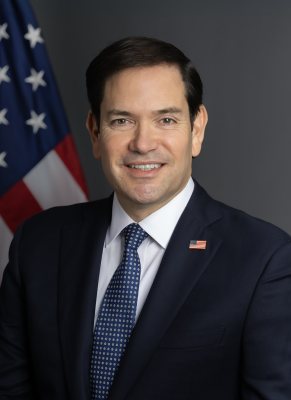
25 notable people were born here, including Sidney Poitier and Marco Rubio.