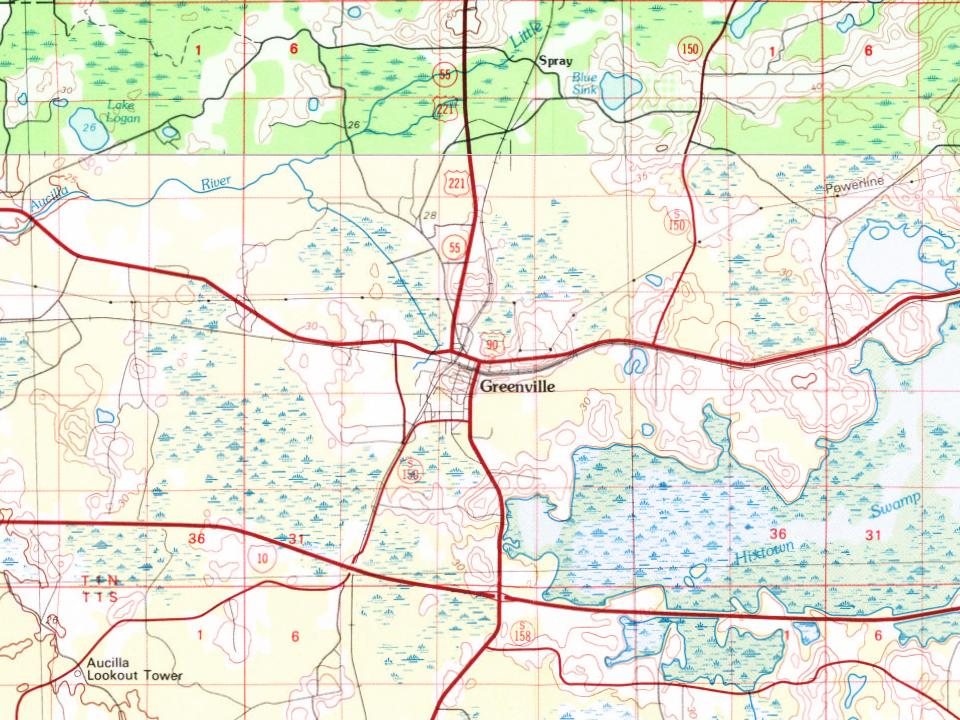
Greenville was first settled in 1850. It was originally known as "Sandy Ford", and during the American Civil War it was renamed "Station Five" for its location along the Pensacola and Georgia Railroad. It was officially incorporated in 1907, and named the "Town of Greenville" because during the US civil war, the women's sewing circle in the community helped sew for Confederate soldiers and after the civil war, the postmaster and residents decided to name it after the birthplace of Mrs. U.M. Roberts, the sewing circle's president: Greenville, North Carolina. Ray Charles lived with his mother in Greenville. There is a statue of him in Greenville Park.
Founding dates: Wikidata, Wikipedia, the U.S. post office records of Blevins & Helbock (CC0) and the Census. Homes by year built: Census ACS 2020–24. National Register of Historic Places: National Park Service (list of May 22, 2026). Old photos, postcards and papers: Wikimedia Commons, the Library of Congress and other public archives, credited on each item’s page. Maps: U.S. Geological Survey historical topographic maps (via Esri) and Sanborn fire-insurance maps (Library of Congress). History text and census tables: Wikipedia (CC BY-SA 4.0). Places that used to be: USGS Geographic Names Information System (2021). How TownRatings grades history →
From Wikimedia Commons (3), Wikidata (1), the National Register of Historic Places (1), Wikipedia, Wikidata and Wikipedia for famous people, U.S. Geological Survey historical maps, U.S. Census counts (via Wikipedia), the US Post Offices dataset (Blevins & Helbock) and the USGS Geographic Names Information System. Archive images are copied here with their credits and licenses, shown on each photo’s page. Refreshed monthly.

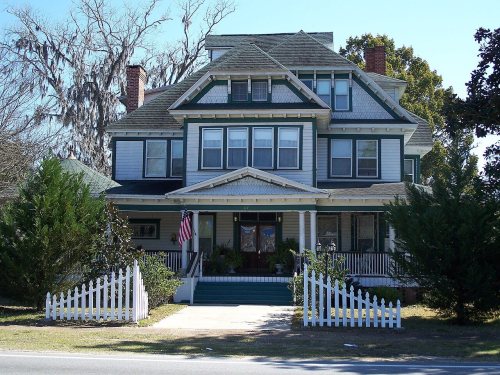


 2014
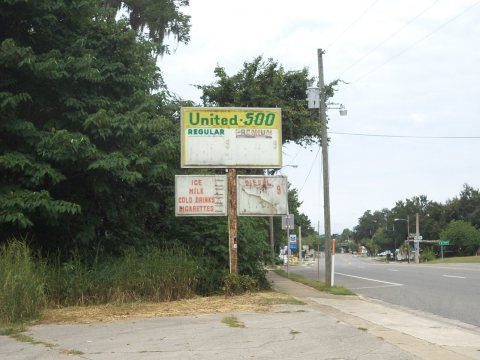 2014
 2004