95 years in pictures
Census counts: 500 in 1940, 3,117 in 2020. The archive holds 3 old photos and papers going back to 1940 and 6 maps from 1947 on.
- 1931Biscayne Park is settled
Each edition grades its towns against each other only.
A town of 3,062, settled in 1931.
Homes are expensive, about $964K for a typical one and 12.6 times the Miami metro’s $77K median household income. Overall it grades C+, 218th of 634 graded towns in Florida. It is more walkable than 96% of U.S. towns. 30% of residents live below the poverty line in Biscayne Park, above both Florida’s towns (11%) and U.S. towns (9.6%). Biscayne Park's civic life (library use, community groups, volunteering) trails 99% of U.S. towns. Biscayne Park's schools outperform 72% of the state's.
Where Biscayne Park beats most towns.
Where Biscayne Park’s working residents go each day. Line width shows the share.
Census LEHD 2023
Each subject compared with towns across the country (schools within Florida), ordered by how far Biscayne Park is from typical.
Its grades run from A+ for walkability (better than 96% of comparable towns) to D− for cost of living (better than 1%), so the C+ overall blends very different results.
How TownRatings grades towns →

Census counts: 500 in 1940, 3,117 in 2020. The archive holds 3 old photos and papers going back to 1940 and 6 maps from 1947 on.
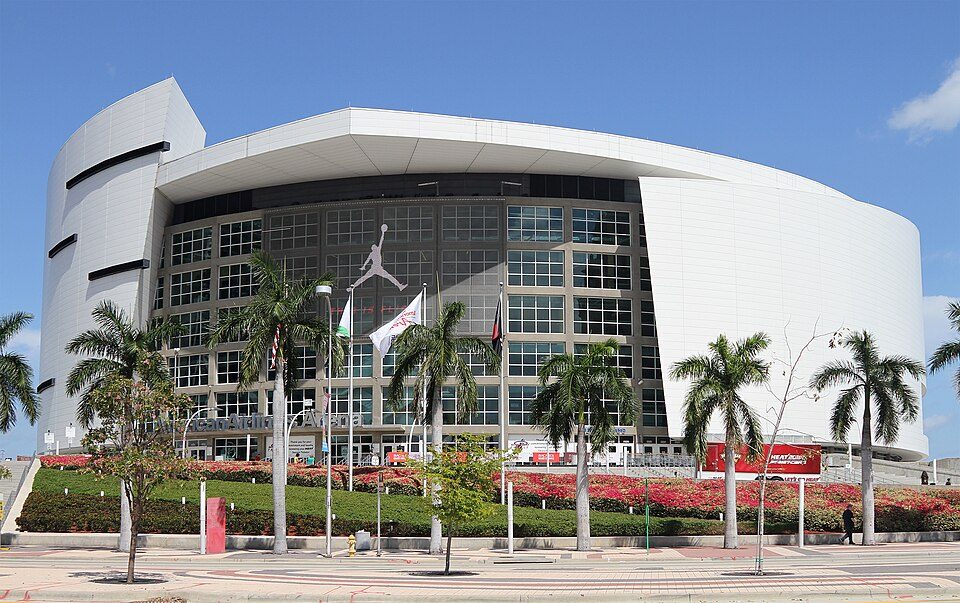
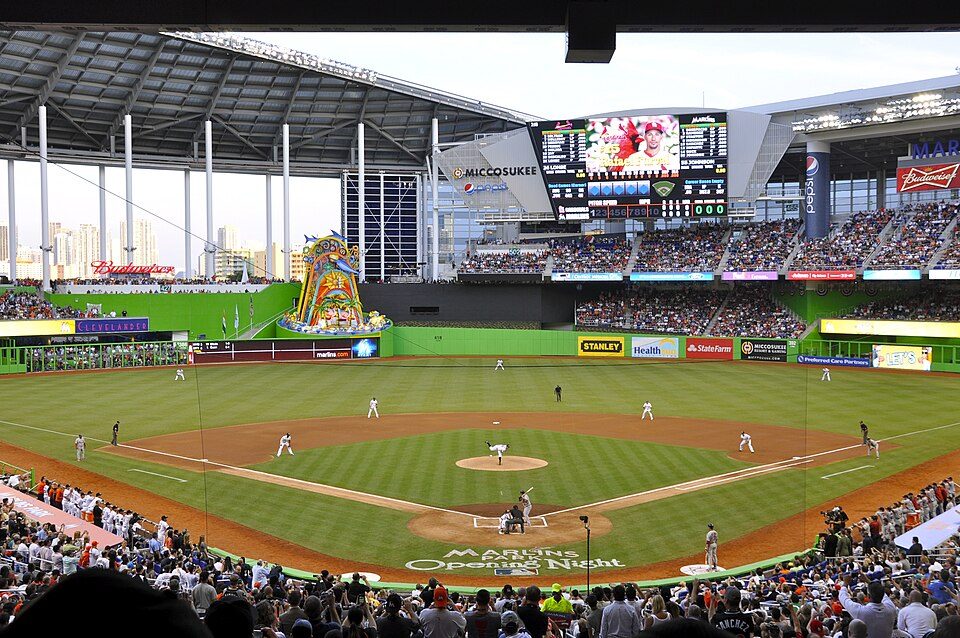
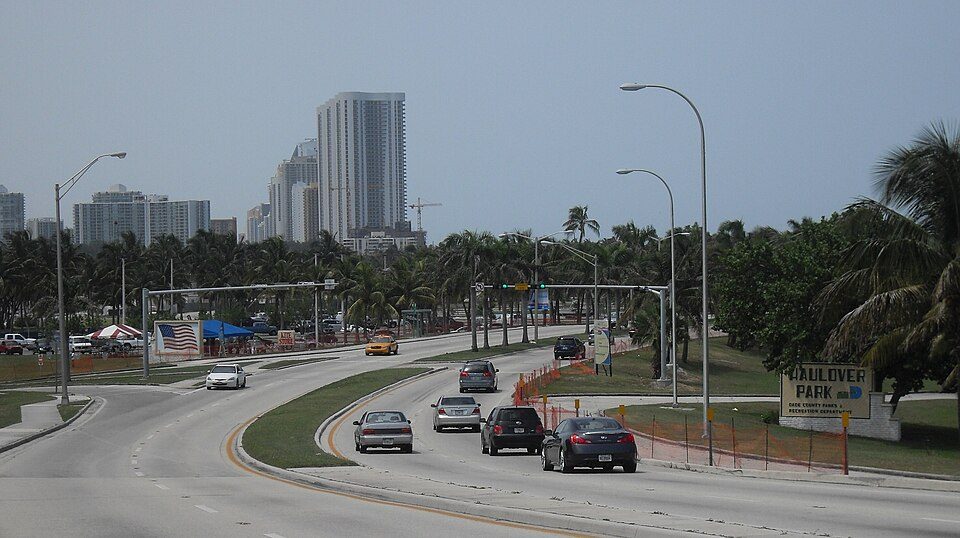
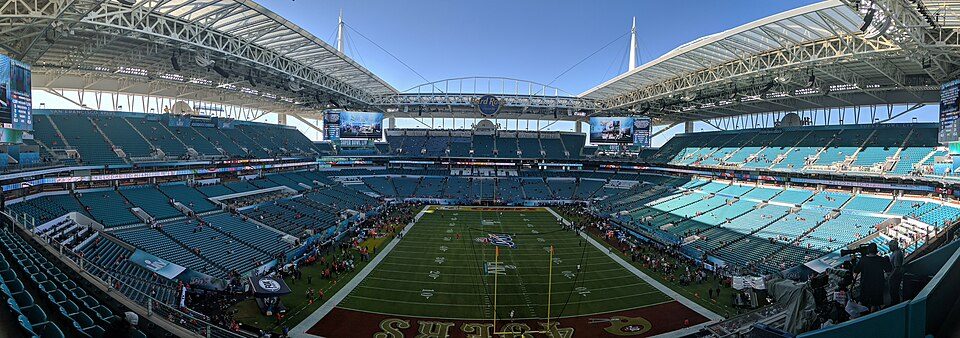
Museums, parks, gardens and other places to visit around Biscayne Park. Close and well known come first.
Big draw6 mi Stadium & arenaHard Rock Stadium
Big draw7 mi Stadium & arenaNu Stadium
Big draw7 mi Stadium & arenaKaseya Center
8 mi Stadium & arenaLoanDepot Park
4 mi Park & preserveHaulover Park
21 mi National ParkEverglades National Park778K visitors a yearHard Rock Stadium: elisfkc2, CC BY-SA 2.0 · Nu Stadium: Cuban Boy, CC0 · Kaseya Center: jjron, GFDL 1.2 · LoanDepot Park: Roberto Coquis, CC BY 2.0 · Haulover Park: Elmschrat, CC BY-SA 3.0 · Everglades National Park: Everglades NPS from Homestead, Florida, United States, Public domain
Who provides power, water and the rest in Biscayne Park, and how to reach them.
EPA SDWIS (Oct 9, 2026) · HIFLD + EIA-861 2025 · Census 2020 ZCTAs · NCES 2024–25 · registration: vote.gov, updated Nov 17, 2025.
Ordered by what stands out in Biscayne Park.
Biscayne Park has milder winter nights than nearly all U.S. towns, but it has homes that cost more against local pay than most of Florida and has poverty well above the Florida rate.
At 12.6 years of the Miami metro’s $77K median household income, the typical home (about $964K) costs more against local pay than in 98% of Florida towns; that ratio is one input to its D− for cost of living. Home values rose 56% in five years, to about $964K, against 19% across Florida.
Typical home values rose 10% in the year to September 2026. The median rent in Biscayne Park is $1,529 a month.
| Biscayne Park | Florida towns | U.S. towns | |
|---|---|---|---|
| Households that own their home | 78% | 72% | 73% |
| Median rent | $1,529 a month | $1,647 a month | $1,185 a month |
Census ACS, 2020–24 · Zillow Home Value Index · Redfin Data Center
Biscayne Park has 210 jobs for its 1,324 working residents: even if every job went to a resident, most would still commute out.
Most working residents leave Biscayne Park for work: only 3% work in town. Biscayne Park’s average trip to work is 33 minutes. Since 2013, Biscayne Park has added 99 jobs, to 210 in 2023.
| Biscayne Park | Florida towns | U.S. towns | |
|---|---|---|---|
| Average trip to work | 33 minutes | 27 minutes | 25 minutes |
| Working residents who work in town | 2.7% | 5% | 8% |
Census LEHD 2023 · ACS
January nights average 60.7°, milder than in 100% of U.S. towns; July afternoons average 89.6°.
Biscayne Park has warm winters and warm summers, with plenty of rain. Snow is almost unheard of.
| Biscayne Park | Florida towns | U.S. towns | |
|---|---|---|---|
| January low | 61°F | 51°F | 22°F |
| July high | 90°F | 91°F | 85°F |
NOAA U.S. Climate Normals, 1991–2020
136 flood insurance claims have been filed here, and 10 properties have flooded more than once.
Expected storm and flood damage is higher than in 65% of U.S. communities. Since 1991, 136 flood insurance claims have been paid out in Biscayne Park.
FEMA flood insurance claims · FEMA National Risk Index · OpenFEMA
Biscayne Park beats the Florida average on 2 of 31 CDC measures and trails it on 1. 15% of adults have been diagnosed with depression in Biscayne Park.
| Biscayne Park | Florida towns | U.S. towns | |
|---|---|---|---|
| Depression (CDC PLACES) | 15% | 18% | 23% |
| No health insurance, 18–64 (CDC PLACES) | 18% | 14% | 8.1% |
| Obesity (CDC PLACES) | 29% | 32% | 35% |
| Frequent mental distress (CDC PLACES) | 15% | 16% | 17% |
| What stands out | Biscayne Park | FL |
|---|---|---|
| Fewer adults who have had cancer | 7.5% | 9.1% |
| Fewer adults with arthritis | 22.7% | 26.6% |
| Fewer adults screened for colon cancer | 60.9% | 65.7% |
CDC PLACES 2025 · modeled estimates for adults · CMS · HRSA
| Biggest places to walk | Trails | Acres |
|---|---|---|
| 1. Burke Recreation Center | — | 5 |
Trails & parks © OpenStreetMap contributors · Conserved land: USGS PAD-US
29 within 15 miles of the center of Biscayne Park
About 4 of every 100 Biscayne Park residents are enrolled in college, against 6 across Florida.
Village in Florida, United States
Biscayne Park is a village in Miami-Dade County, Florida, United States. It's also part of the Miami metropolitan area of South Florida. As of the 2020 census, the population was at 3,117 residents.
From Wikipedia, licensed CC BY-SA 4.0 · facts via Wikidata (CC0)
One town shares a border with Biscayne Park.
| Town | FL rank | Overall | Cost | Safety | Schools | Health |
|---|---|---|---|---|---|---|
| Biscayne Park | #218 | C+ | D− | — | B+ | B |
| North Miami | #438 | C− | D | — | B+ | C− |
Biscayne Park and North Miami report no FBI crime data of their own. Compare Biscayne Park with a neighbor →
Short answers, built from the data on this page.
Biscayne Park grades C+ overall, better than 44% of U.S. towns and #218 of 634 in Florida. It grades B for health and B+ for schools. Cost of living is its weak spot, with a D−.
Yes. Cost of living, which also weighs rents, property taxes and how many households pay 30% or more of their income for housing, grades D−.