Segundo was founded by Colorado Fuel and Iron (CF&I) as a company town to house its workers for a local coal mine. The town was the second mining community developed by CF&I in 1904 behind Primero and was referenced in the town's name, with segundo meaning "second" in Spanish. CF&I offered adequate housing for the time, and promoted upward mobility through its sponsorship of a YMCA center, an elementary school, small businesses, and a company store. Segundo was a prosperous town until the 1920s, when the population began to decline due to constant health issues related to air pollution and outdated housing that lacked indoor plumbing. Declines in demand for metallurgical coke led to workers being laid off and, following a major fire in 1929, CF&I ceased their operations in Segundo. The town's population plummeted to the point that it almost became a ghost town.
Nothing in the archives for these yearsWeddings on Main Street, storms, parades, school pictures, the old store. If it’s in your family album, it belongs here.
Founding dates: Wikidata, Wikipedia, the U.S. post office records of Blevins & Helbock (CC0) and the Census. Homes by year built: Census ACS 2020–24. National Register of Historic Places: National Park Service (list of May 22, 2026). Old photos, postcards and papers: Wikimedia Commons, the Library of Congress and other public archives, credited on each item’s page. Maps: U.S. Geological Survey historical topographic maps (via Esri) and Sanborn fire-insurance maps (Library of Congress). History text and census tables: Wikipedia (CC BY-SA 4.0). Places that used to be: USGS Geographic Names Information System (2021). How TownRatings grades history →
From Wikimedia Commons (2), Wikipedia, U.S. Geological Survey historical maps and the USGS Geographic Names Information System. Archive images are copied here with their credits and licenses, shown on each photo’s page. Refreshed monthly.


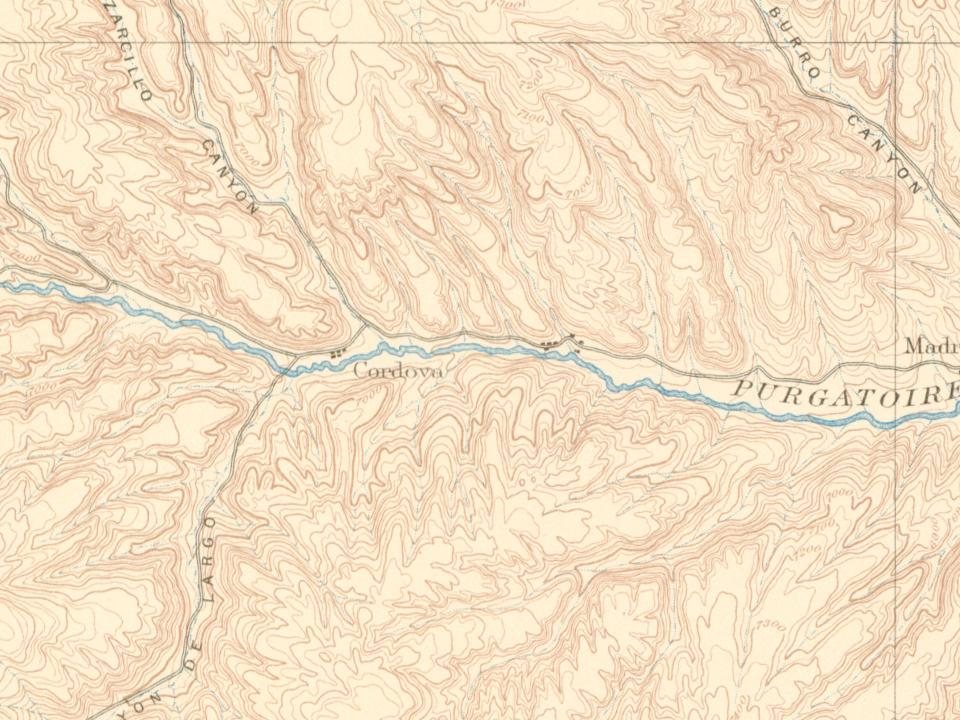


 1920
 2012