Canadian Pacific Railway Station, Moose Jaw, Saskatchewan · Photo: Canadian2006 · CC BY-SA 4.0
6historic places on the registers
History of Moose Jaw · Canada’s heritage registers
Before 1961: 38% of the homes in Moose Jaw
Moose Jaw’s share is 2.1 times the typical 18%. The registers put 6 historic places inside its boundary, one of them of the highest rank. Among the places are 2 heritage railway stations, 2 provincial or municipal listings and a Recognized Federal Heritage Building. Go back to 1908 and you reach Moose Jaw Court House, the oldest of them.
provincial and municipal listings with an encyclopedia article
Oldest building
1908
the first construction date on its record
Homes built before 1961
38%
typical town: 18%
In pictures
4 pictures of Moose Jaw today, 2 from its past
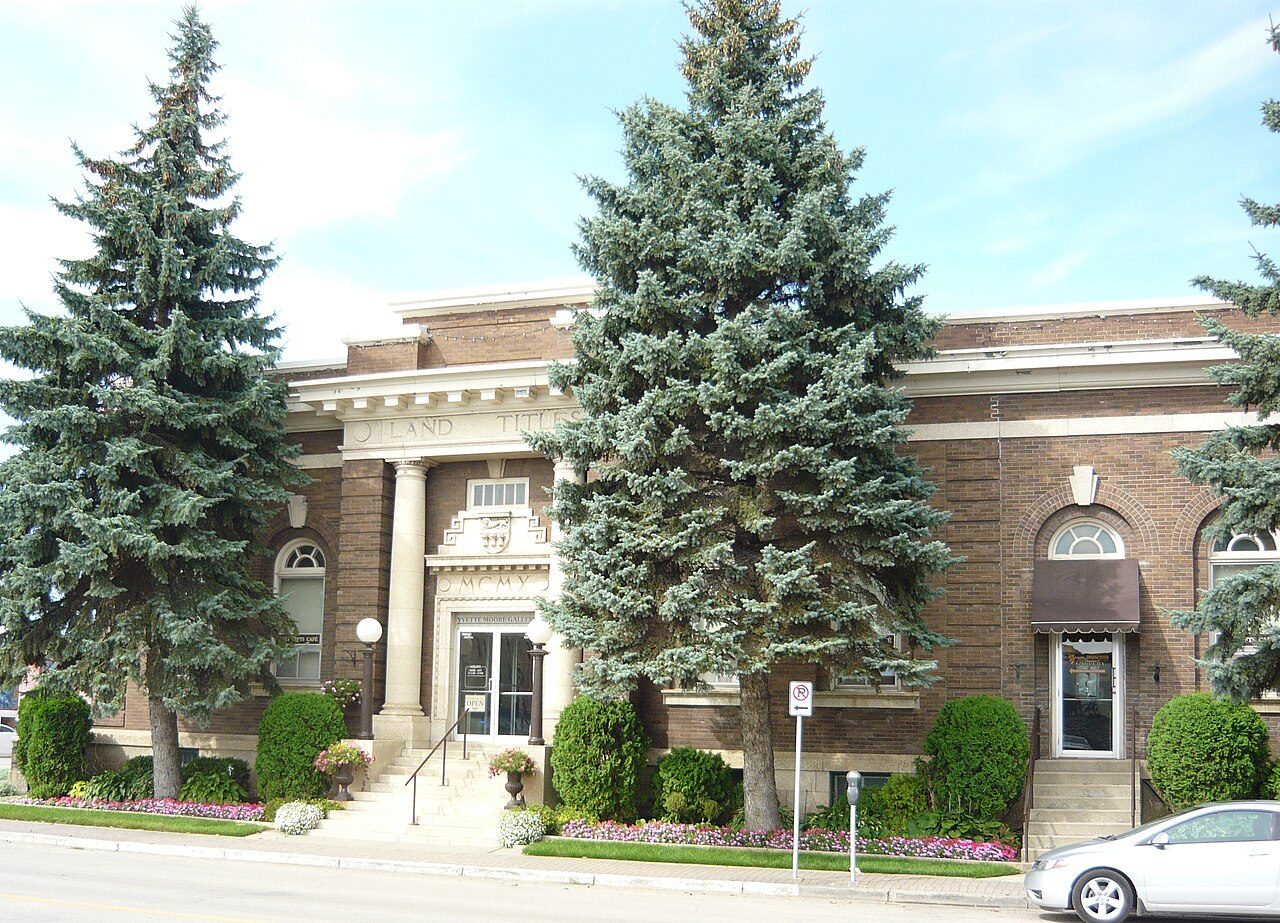
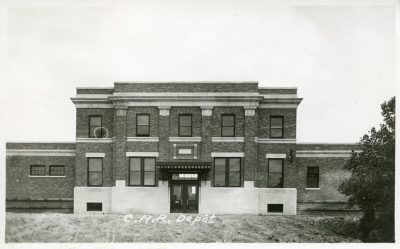
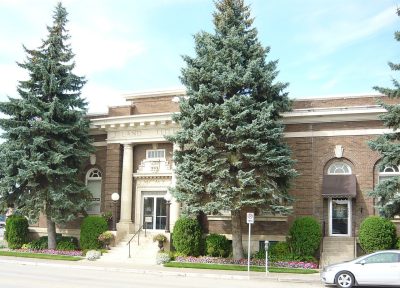
Land Titles Building, dated 1910, is the oldest place pictured in Moose Jaw. Photos show 4 of the places Moose Jaw’s registers name; the others show their record instead. You can start with “Canadian Pacific Railway Station, Moose Jaw, Saskatchewan” and Land Titles Building.
Photos from Wikimedia Commons, each credited to its photographer with its licence; names open the place’s page. Tap a photo to step through them full screen.
Through time
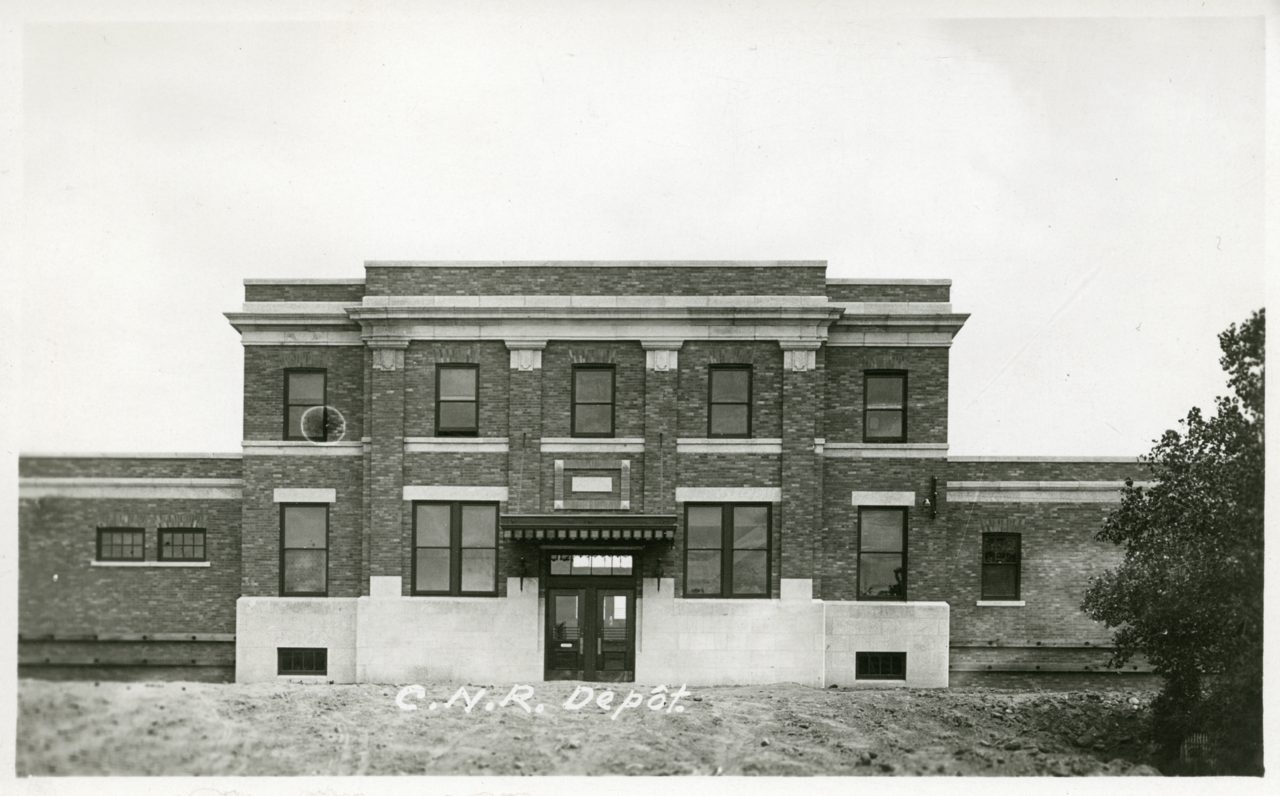
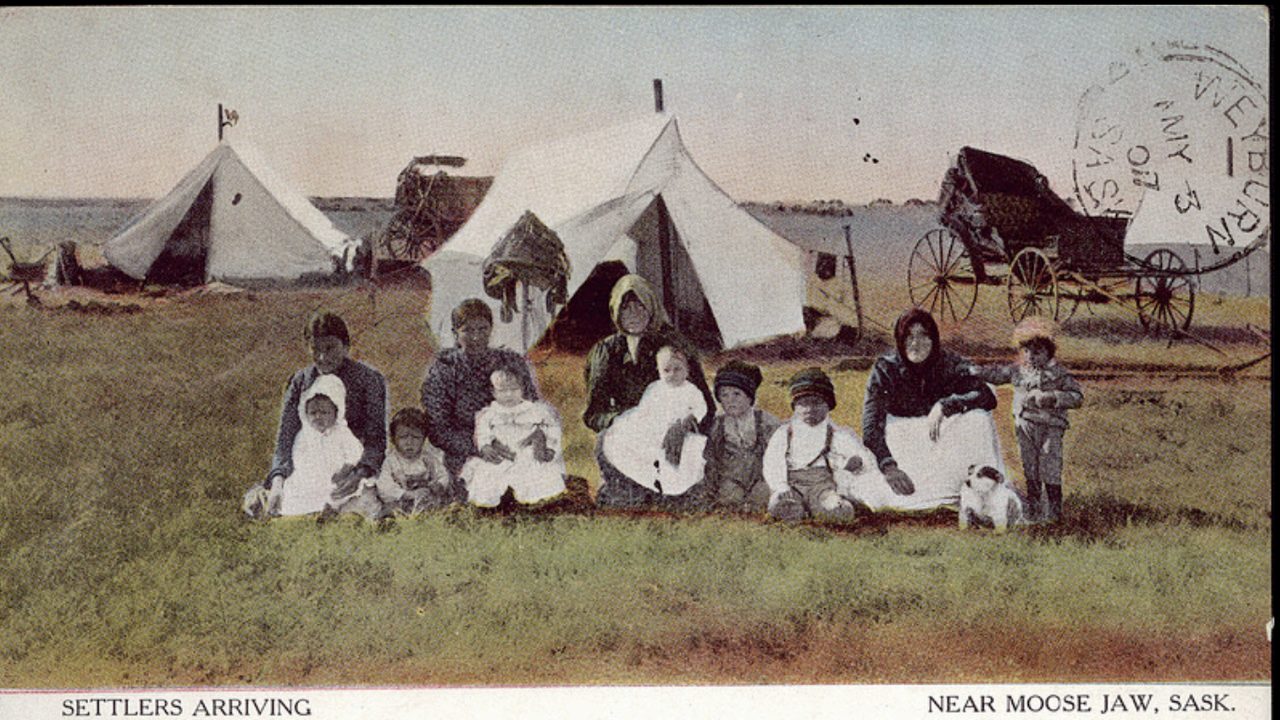
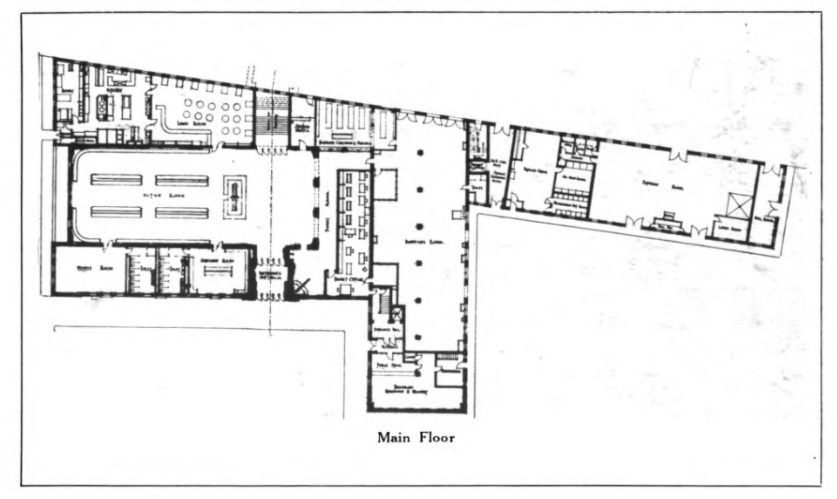
Old Moose Jaw, 1907 to 1926
By date: one old photograph of the town, with the oldest view of one of its historic places. Scroll the strip and tap a picture to open it.
1890190019101920193019401950Confederation to 1900Boom yearsThe wars and betweenAfter the war
Public domain or CC0, made before 1950, from Wikimedia Commons; old views of places can be drawings, prints or maps of their time. Each credit opens the image’s page.
How it began
Back to 1903: Moose Jaw’s first record
Rail service is on record from 1919, when Moose Jaw Canadian National Railway Station opened. The date Wikidata keeps for Moose Jaw is 1903; whether it was a founding or a legal act, the entry leaves open.
Every place on the registers inside the town, by its designation.
Highest designationsOther federal designationsProvincial and local listings
Dots open their places’ pages; hover first to read the name.
The 6, by tier
1 Highest designations3 Other federal designations2 Provincial and local listings
What the map shows is the open record: the federal directory in full, and from provincial or municipal lists only the places Wikidata ties to an encyclopedia article.
Points from Wikidata (Parks Canada’s files carry none) and from Québec’s register, as mapped there. One place, placed by its register’s municipality, has no point and isn’t on the map.
Highest designations
One place in Moose Jaw with the highest designation
National Historic Sites and Classified Federal Heritage Buildings, Canada’s highest federal recognition. Each one opens its own page.
Here that means 2 heritage railway stations and a Recognized Federal Heritage Building. Recognized Federal Heritage Buildings, heritage railway stations and lighthouses. They date from 1913 (D.V. Currie VC Armoury) to 1920. Each one opens its own page.
Recognized Federal Heritage Building · 1913–1915D.V. Currie VC Armoury1215 Main Street North
What’s designated
In Moose Jaw, stations, lighthouses and bridges and public buildings are level at 2 each
Leading by designation: Moose Jaw Court House and D.V. Currie VC Armoury. All told, 4 kinds of place appear.
Stations, lighthouses and bridges2
Public buildings2
Forts and military buildings1
Other places1
Kinds read from each place’s name and the functions its register gives; a building keeps the kind it was built as.
Provincial and local listings
2 local listings in Moose Jaw
Provincial and municipal listings that Wikidata records and an encyclopedia describes. They date from 1910 (Land Titles Building) to 1914. Each one opens its own page.
For Moose Jaw, most dated places belong to the decades after Confederation
Each place by the first construction date on its record.
British North America 1760–18660
After Confederation 1867–19133
Wars and Depression 1914–19453
Since 1946 1946 on0
Homes by age
Only 3% of Moose Jaw’s homes were built from 2016 to 2021 (4.1% is typical)
Only 13% of Moose Jaw’s homes were built from 1981 to 2000, less than the typical town’s 23%. Homes built from 2001 to 2015 make up just 11% of Moose Jaw’s, against 15% in the typical town. 36% of Moose Jaw’s homes date from 1961 to 1980, well above the typical 27%.
38%
Before 1961
36%
1961–80
13%
1981–2000
11%
2001–15
3%
2016–21
Moose JawTypical town
2021 Census, private dwellings by period of construction (Statistics Canada); the typical town is the middle Canadian town of 2,500 or more.
Born here
10 lives that began in Moose Jaw before 1914
The first on the line is J. Gordon Ross (1891). Vaughan Grayson reached 101, the longest life here, ending in 1995. By Wikipedia’s reach, Art Linkletter leads, with 11 articles. Bus Griffiths closes the list, born in 1913.
J. Gordon Ross
Carl Battell
Vaughan Grayson
George McClellan
Edward McCullough
Walter Percival Wright
Reta Cowley
Jack Wells
Art Linkletter
Bus Griffiths
18501875190019251950
Art Linkletter1912–2010 · Canadian-American radio and television personality
VG
Vaughan Grayson1894–1995 · Saskatchewan artist
JR
J. Gordon Ross1891–1972 · Canadian politician
Edward McCullough1909–1994 · Canadian politician
WW
Walter Percival Wright1909–1992 · Canadian politician in the Legislative Assembly of British Columbia
CB
Carl Battell1893–1988 · Canadian ice hockey player
GM
George McClellan1908–1982 · Canadian police commissioner
RC
Reta Cowley1910–2004 · Canadian painter
Everyone born in Moose Jaw → Born before 1914 (the page’s periods: Confederation to the First World War). Birthplaces from Wikidata, each checked against the person’s Wikipedia article.
Towns its size
Moose Jaw has the 2nd most of 16 towns its size
Towns of 35,900 to 37,200 residents, by places on the registers.
The pre-1961 share of Moose Jaw’s homes is 38%, against 18% in the typical town. The count is 6 historic places, one with the highest designation, with Moose Jaw Court House first. Its rate of historic places per resident is above 84% of Canadian towns of 2,500 or more. Only one of the 16 towns nearest its size has more historic places.
By date, the wars and the Depression lead: 3 of 6. Among the lives from its past: Art Linkletter (1912), Vaughan Grayson (1894) and J. Gordon Ross (1891). For the rest, the list grew between 1981 and 1998.
How to read these numbers
What this data can and can’t tell you
•
The grade. History is described, not graded, for every Canadian town.
•
The tiers. Three tiers: the top for National Historic Sites, classified federal buildings and Québec’s classements, a second for the other federal designations, a third for provincial and municipal listings.
•
Provincial and municipal lists. Provincial and municipal listings here come from Wikidata alone, since the provinces’ own registers can’t be reused; a listing needs an encyclopedia article to get a page.
•
Protection. National historic designation honours a place but binds only federal owners; a private building’s protection depends on its province or municipality.
•
The federal register. Parks Canada’s Directory of Federal Heritage Designations lists every National Historic Site, federal heritage building, heritage railway station and lighthouse; the Canadian Register of Historic Places adds their statements in English and French.
•
People and events. The open directory puts its national historic persons nowhere, so a town shows one only on firm ground: a birth there, matched by name and life years, or a historic place there named for the person whose record says so. Events are left out.
•
Map points. Federal places get their map points from Wikidata, since Parks Canada’s files carry none; they are as mapped there.
Questions about Moose Jaw’s history
How old are the homes in Moose Jaw?
38% of its homes were built before 1961, against 18% in the typical Canadian town.
Which places in Moose Jaw have the highest designation?
It is Moose Jaw Court House.
What is the oldest building in Moose Jaw?
Moose Jaw Court House (National Historic Site): the first construction date on its record is 1908.
Why might a heritage building in Moose Jaw be missing here?
Its province’s and council’s own lists can’t be reused here; one further listing in Moose Jaw shows up only as a Wikidata number.
Contains information licensed under the Open Government Licence – Canada (Parks Canada).
Sources: Parks Canada, Directory of Federal Heritage Designations · Canadian Register of Historic Places (federal extract) · Wikidata (CC0) for map points, other names and articles · Statistics Canada, 2021 Census (homes by period of construction). Under the Statistics Canada Open Licence.


 c. 1907
 1926
 Fed
 Fed
 Local
 Local

