 Top
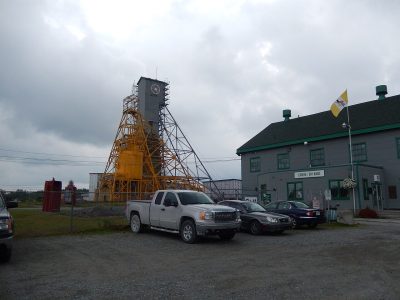
Classified heritage site (Québec) · 1934–1938Former Lamaque Mine90 avenue PerraultPhoto: Fralambert · CC BY-SA 4.0 · Commons file
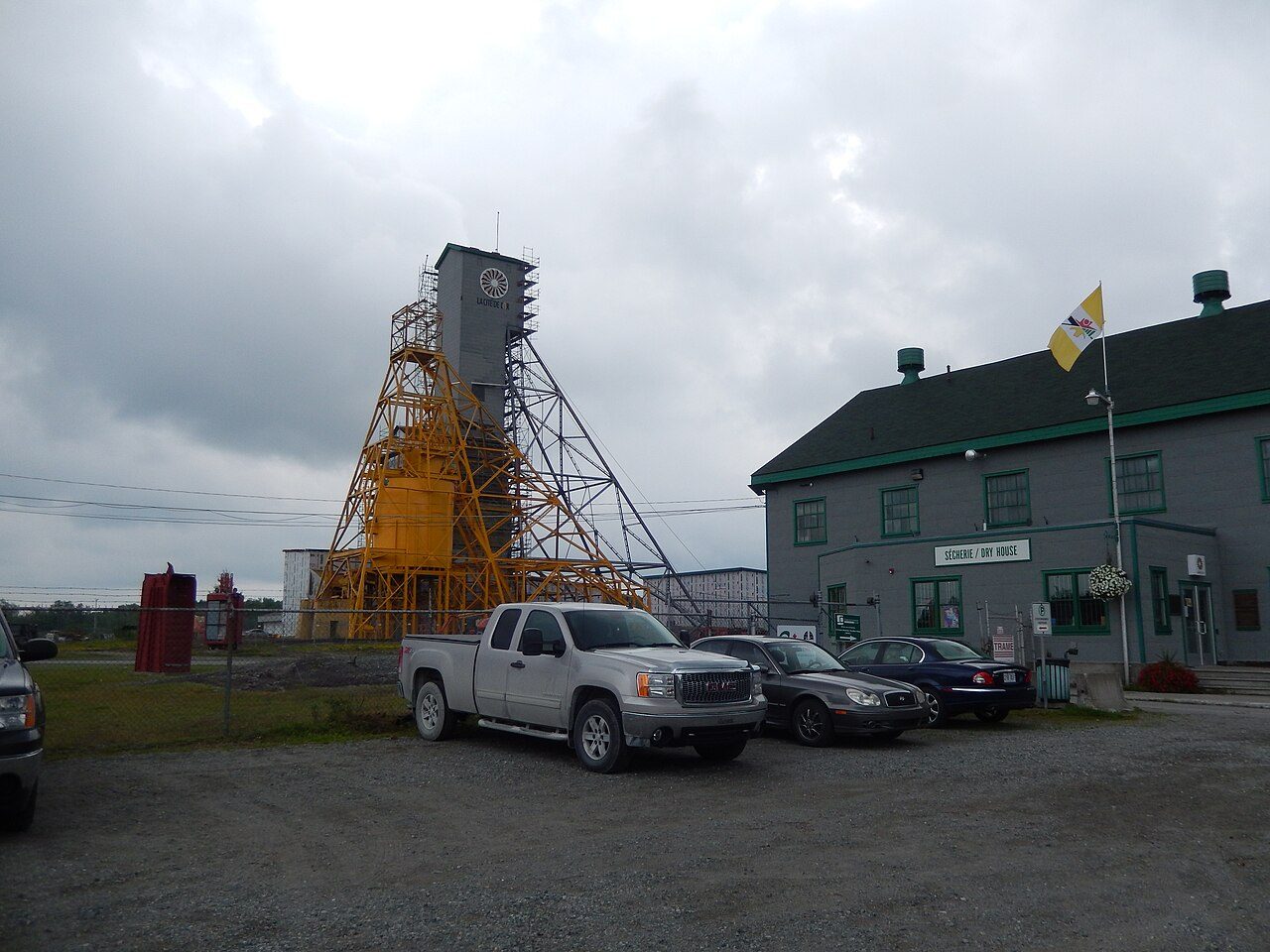 Former Lamaque Mine · Photo: Fralambert · CC BY-SA 4.0
6historic places on the registers
History of Val-d'Or · Canada’s heritage registers
Val-d'Or has 6 historic places on the registers, 3 in the top tier
Val-d'Or’s oldest dated place, Former Lamaque Mine, goes back to 1934. Wikidata gives January 1, 2002 for the municipality, whether that is when it was founded, incorporated or merged. Relative to its size Val-d'Or has 1.8 per 10,000 residents, more than 85% of Canadian towns. Among the places are 3 municipal citations.
Historic places
6
1.8 per 10,000 residents
Highest designations
3
National Historic Sites, classified federal buildings and Québec’s classements
Provincial and local listings
3
municipal citations on Québec’s register
Oldest building
1934
the first construction date on its record
Homes built before 1961
21%
typical town: 18%
In pictures
5 photos of Val-d'Or’s landmarks, and 3 from before 1950
The first two: Former Lamaque Mine and Site patrimonial du Village-Minier-de-Bourlamaque. 5 designated places in Val-d'Or have a photo. On their own pages, 2 of Val-d'Or’s places show how they once looked.
 Site patrimonial du Village-Minier-de-Bourlamaque
 Église Saint-Sauveur (Val-d'Or)
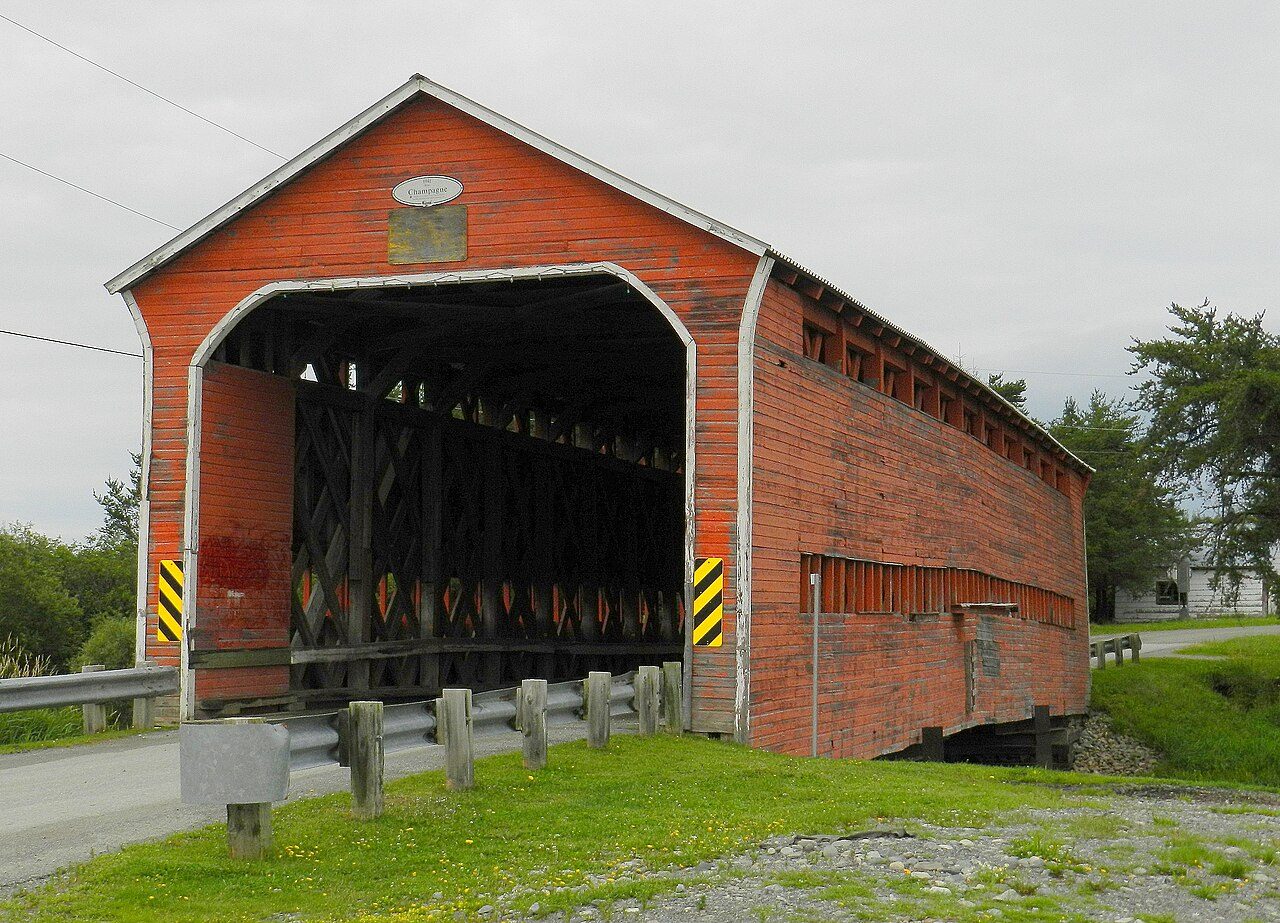 Pont Champagne
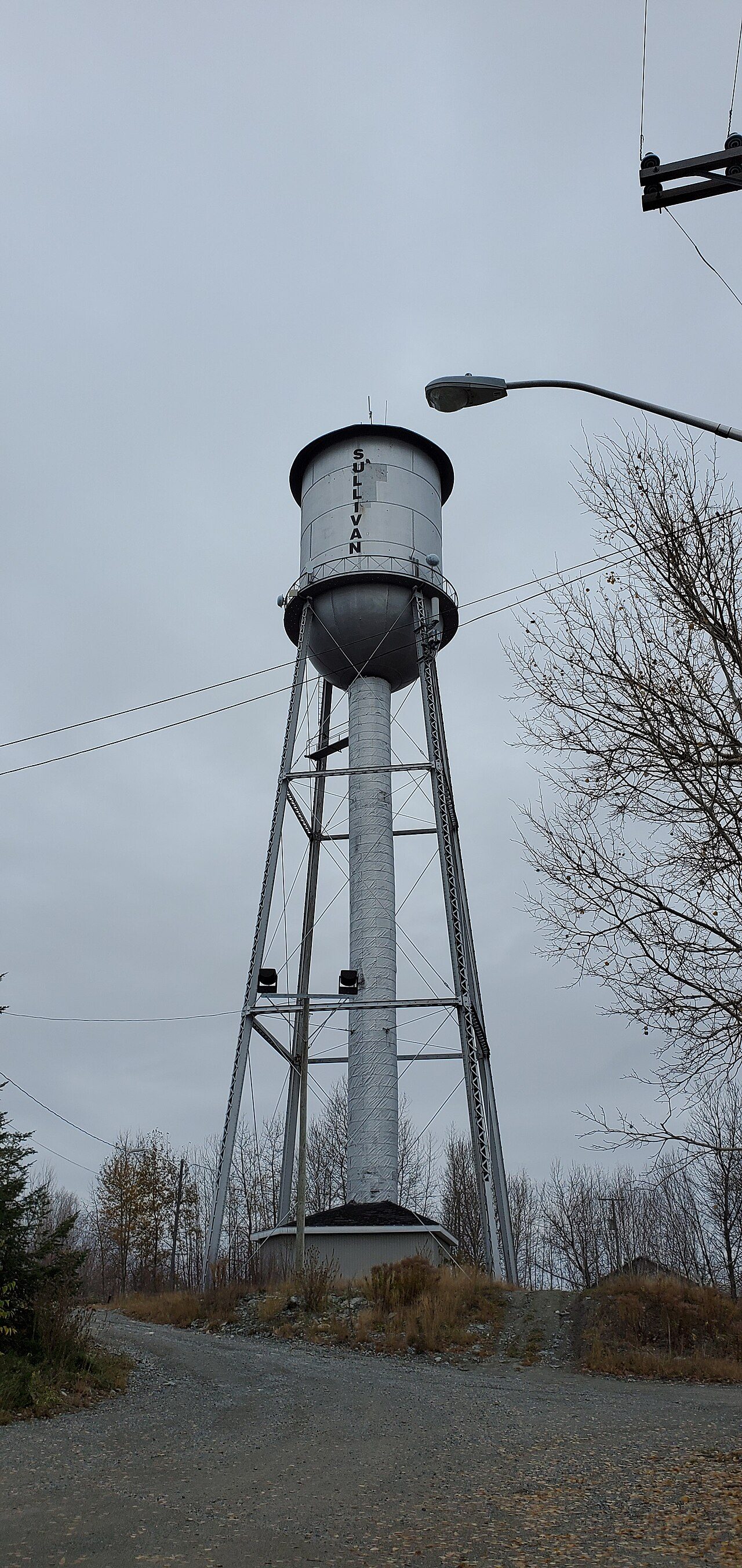 Château d'eau de l'ancienne mine Sullivan+1See all photos
Photos from Wikimedia Commons, each credited to its photographer with its licence; names open the place’s page. Tap a photo to step through them full screen.
Through time
The past of Val-d'Or, 1920 to 1940
Oldest first: one old photograph of the town and the oldest views of 2 of its historic places. Pick a dot to see the year; pick a picture to see it large.
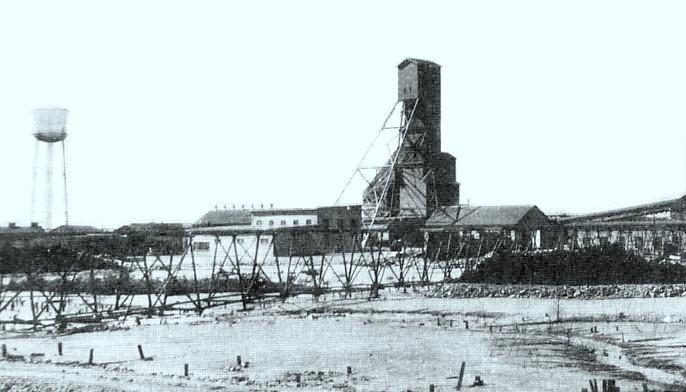 1920
 1935
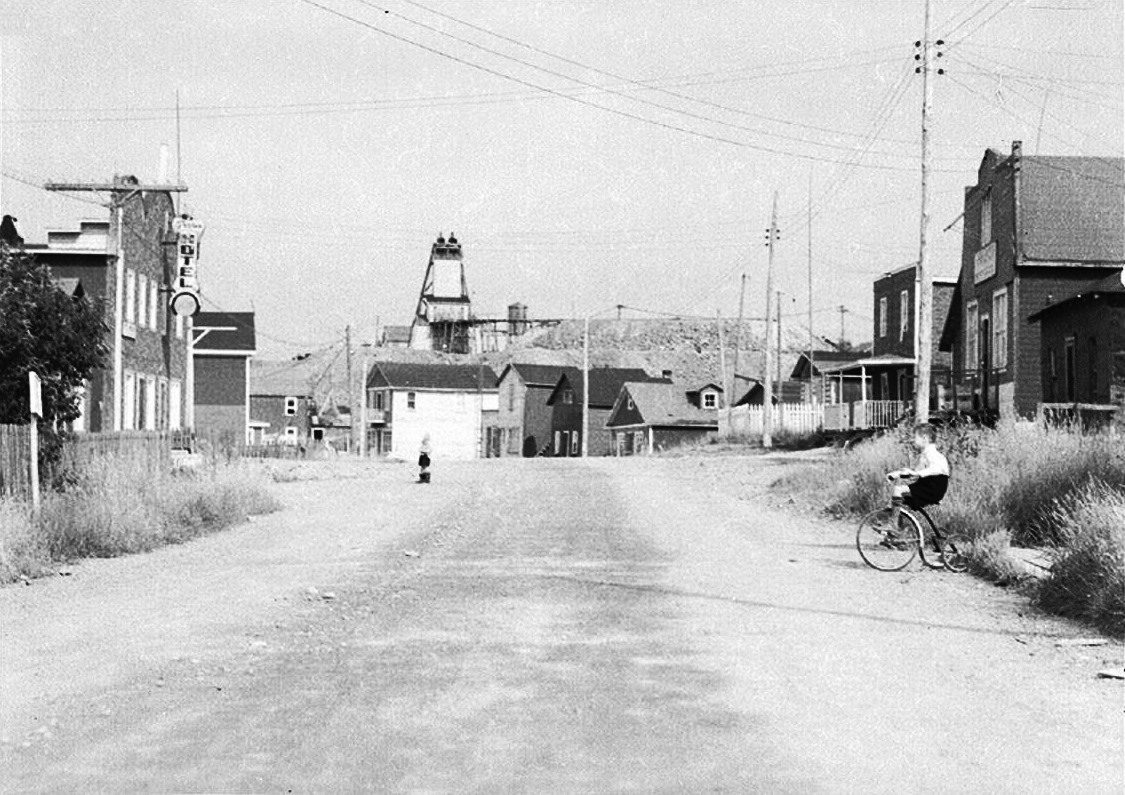 c. 1940
Public domain or CC0, made before 1950, from Wikimedia Commons; old views of places can be drawings, prints or maps of their time. Each credit opens the image’s page.
The map
Where Val-d'Or’s history is
Every place on the registers inside the town, by its designation.
Highest designationsProvincial and local listings
Hover a dot for its name; tap one to open its page.
The 6, by tier
3 Highest designations3 Provincial and local listings
In Québec the record is fuller than elsewhere: beside Parks Canada’s designations, the province’s register lists its classements and every municipal citation.
Points from Wikidata (Parks Canada’s files carry none) and from Québec’s register, as mapped there. One place, placed by its register’s municipality, has no point and isn’t on the map.
Highest designations
3 places in Val-d'Or with the highest designation
Among them: Former Lamaque Mine and the Bourlamaque Mining Village and Former Lamaque Mine. The group holds 2 places classified by Québec and a National Historic Site. National Historic Sites and Classified Federal Heritage Buildings, Canada’s highest federal recognition. Each one opens its own page.
 Top
Classified heritage site (Québec)Site patrimonial du Village-Minier-de-Bourlamaqueavenue PerraultPhoto: Vintotal · CC BY-SA 3.0 · Commons file
National Historic Site · 1934–1935Former Lamaque Mine and the Bourlamaque Mining Village90 Perrault Avenue
What’s designated
Mills, shops and works and houses share the lead in Val-d'Or, 2 each
At the head of the list: Former Lamaque Mine and the Bourlamaque Mining Village and Former Lamaque Mine. The record covers 4 kinds of building and site.
Mills, shops and works2
Houses2
Churches and religious buildings1
Stations, lighthouses and bridges1
The groups come from each place’s name and its recorded functions, by what it was built as.
Provincial and local listings
3 more places Val-d'Or or its province protects
Their dates run from 1940, with Château d'eau de l'ancienne mine Sullivan, to 1959. Citations the municipality has made, registered with Québec’s ministry of culture. They were designated between 1998 and 2012. Each one opens its own page.
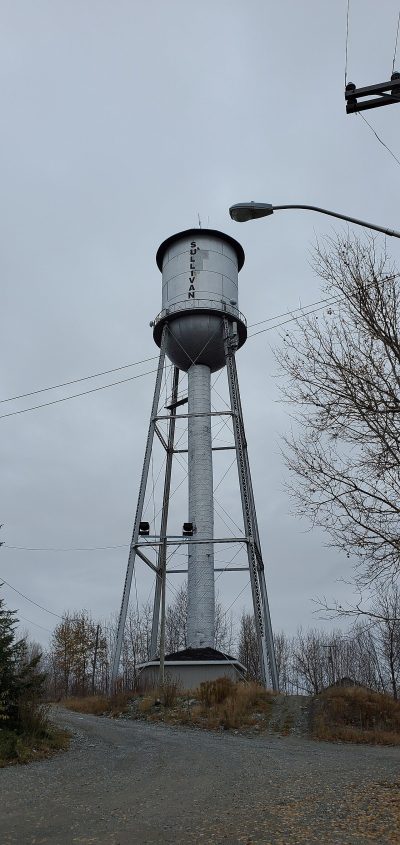 Local
Municipal citation (Québec) · 1940Château d'eau de l'ancienne mine Sullivan456 rue TremblayPhoto: l0st3d · CC BY-SA 4.0 · Commons file
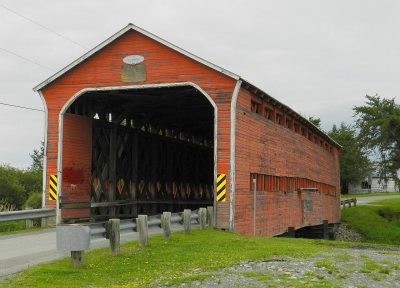 Local
Municipal citation (Québec) · 1941Pont Champagnechemin du Pont-ChampagnePhoto: Guerinf · CC BY-SA 4.0 · Commons file
 Local
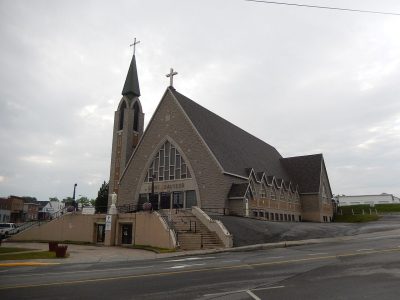
Municipal citation (Québec) · 1959Église Saint-Sauveur (Val-d'Or)533 3e AvenuePhoto: Fralambert · CC BY-SA 4.0 · Commons file
How old
In Val-d'Or, the wars and the Depression left the most behind
Each place by the first construction date on its record.
British North America 1760–18660
After Confederation 1867–19130
Wars and Depression 1914–19454
Since 1946 1946 on1
Homes by age
The biggest share of Val-d'Or’s homes dates from 1961 to 1980: 33%
21% of Val-d'Or’s homes predate 1961, close to the typical town’s 18%. Homes built from 1981 to 2000 make up 30% of Val-d'Or’s, against 23% in the typical town. From 2016 on, Val-d'Or built 3.7% of its homes, near the typical 4.1%.
21%
Before 1961
33%
1961–80
30%
1981–2000
12%
2001–15
3.7%
2016–21
Val-d'OrTypical town
2021 Census, private dwellings by period of construction (Statistics Canada); the typical town is the middle Canadian town of 2,500 or more.
Towns its size
Val-d'Or has the most of 16 towns its size
Towns of 32,900 to 34,400 residents, by places on the registers.
Val-d'Or6
Their median is 1. 7 of them have none.
In brief
Val-d'Or in brief
Counted by age, 21% of Val-d'Or’s homes predate 1961, against 18% in the typical town. There are 6 historic places in all, 3 with the highest designation; Former Lamaque Mine and the Bourlamaque Mining Village heads them. Of the 16 towns closest in size, it has the most historic places. 4 of the 5 dated places belong to the wars and the Depression. For the rest, the designations ran from 1979 to 2012.
How to read these numbers
What this data can and can’t tell you
- People and events. National historic persons carry no place in the open file. They appear on a town’s page when born there (same name, same birth and death years) or when a historic place inside it carries their name and its record names them with their dates; national historic events don’t appear.
- The grade. There is no history grade: the page sets out the record and compares it with other towns.
- The tiers. Tiers follow the designation: national recognition and classement first, other federal designations next, provincial and local listings last.
- Protection. In Québec, a classement or a municipal citation under the Loi sur le patrimoine culturel protects the building in law; a federal designation recognises significance and binds only federal owners.
- The federal register. The federal list is complete and open: Parks Canada’s directory for the designations, the Canadian Register of Historic Places for what each one is and why it matters.
- Québec’s register. Québec is the one province whose register is open: classements, declarations and municipal citations, described by the ministry in French.
Questions about Val-d'Or’s history
Which places in Val-d'Or have the highest designation?
They are Former Lamaque Mine and the Bourlamaque Mining Village, Former Lamaque Mine and Site patrimonial du Village-Minier-de-Bourlamaque.
What is the oldest building in Val-d'Or?
Former Lamaque Mine — its record dates it to 1934 (Classified heritage site (Québec)).
How old are the homes in Val-d'Or?
The 2021 Census dates 21% of its homes before 1961 (18% in the typical town).
Contains information licensed under the Open Government Licence – Canada (Parks Canada). Québec register data: Ministère de la Culture et des Communications du Québec, CC BY 4.0.
Sources: Parks Canada, Directory of Federal Heritage Designations · Canadian Register of Historic Places (federal extract) · Répertoire du patrimoine culturel du Québec (MCC, Données Québec) · Wikidata (CC0) for map points, other names and articles · Statistics Canada, 2021 Census (homes by period of construction). Under the Statistics Canada Open Licence.
Adapted from Statistics Canada (Census of Population 2021, population estimates 2025, 2021 census boundaries) under the Statistics Canada Open Licence; this does not constitute an endorsement by Statistics Canada. Neighbourhood names in some cities © OpenStreetMap contributors (ODbL).