Château Logue · Photo: Trioletmaniwaki · CC BY-SA 4.0
1historic place on the registers
History of Maniwaki · Canada’s heritage registers
Older housing stands out in Maniwaki: 38% predates 1961
Maniwaki’s share is 2.2 times the typical 18%. The registers list 1 historic place inside the town, and it carries the highest designation. Relative to its size the figure is 2.6 per 10,000 residents, more than in 88% of Canadian towns. Château Logue, from 1887, is the town’s classified heritage building (québec).
Public domain or CC0, made before 1950, from Wikimedia Commons; old views of places can be drawings, prints or maps of their time. Each credit opens the image’s page.
How it began
Where Maniwaki’s story starts: 1851
It was in 1851 that Maniwaki was founded. That makes it 175 years old. On Wikidata the municipality of Maniwaki dates to March 15, 1904, with no word on whether that was its founding or a later incorporation.
Leave Maniwaki and the first historic place is Maison Jean-Baptiste-Riel, 20 km away
The registers hold 5 within 50 km. By designation: 3 places classified by Québec, a municipal citation and a heritage railway station. For the highest designations, the nearest of 3 is Maison Alix-Bail, 41 km away.
Pont Est de Ferme-RougeClassified heritage building (Québec) · 1903 · 42 km away, in Mont-Laurier
Homes by age
Maniwaki added few homes from 2016 to 2021: 2.4%, where most towns have 4.1%
Maniwaki built little from 1981 to 2000: 15% of its homes, where most towns have 23%. Only 3.7% of Maniwaki’s homes were built from 2001 to 2015, less than the typical town’s 15%. The largest single period is from 1961 to 1980, with 42% of Maniwaki’s homes.
38%
Before 1961
42%
1961–80
15%
1981–2000
3.7%
2001–15
2.4%
2016–21
ManiwakiTypical town
2021 Census, private dwellings by period of construction (Statistics Canada); the typical town is the middle Canadian town of 2,500 or more.
Towns its size
Maniwaki has the 1st most of 16 towns its size
Towns of 3,800 to 3,800 residents, by places on the registers.
The pre-1961 share of Maniwaki’s homes is 38%, against 18% in the typical town. Together that makes 1 historic place, one with the highest designation, led by Château Logue. It tops the 16 towns nearest its size for historic places. Everything else is close to the norm: Georges-Adélard Auger (1893) is its person of the past on the record; and its one place was designated in 2024.
How to read these numbers
What this data can and can’t tell you
•
The federal register. The federal list is complete and open: Parks Canada’s directory for the designations, the Canadian Register of Historic Places for what each one is and why it matters.
•
Québec’s register. Québec is the one province whose register is open: classements, declarations and municipal citations, described by the ministry in French.
•
People and events. National historic persons carry no place in the open file. They appear on a town’s page when born there (same name, same birth and death years) or when a historic place inside it carries their name and its record names them with their dates; national historic events don’t appear.
•
The tiers. National Historic Sites and the most protected buildings form the top tier; recognized federal buildings, stations and lighthouses the second; provincial and municipal listings the third.
•
The grade. History isn’t one of Canada’s graded pillars, so this page describes and compares without a letter.
•
Protection. Québec’s classements and citations carry legal protection: work on a classified building needs the minister’s authorization, on a cited one the municipality’s. Federal designations commemorate.
Questions about Maniwaki’s history
How old are the homes in Maniwaki?
38% of its homes were built before 1961, against 18% in the typical Canadian town.
Which places in Maniwaki have the highest designation?
It is Château Logue.
What is the oldest building in Maniwaki?
Château Logue, a Classified heritage building (Québec), begun in 1887.
Contains information licensed under the Open Government Licence – Canada (Parks Canada). Québec register data: Ministère de la Culture et des Communications du Québec, CC BY 4.0.
Sources: Parks Canada, Directory of Federal Heritage Designations · Canadian Register of Historic Places (federal extract) · Répertoire du patrimoine culturel du Québec (MCC, Données Québec) · Wikidata (CC0) for map points, other names and articles · Statistics Canada, 2021 Census (homes by period of construction). Under the Statistics Canada Open Licence.

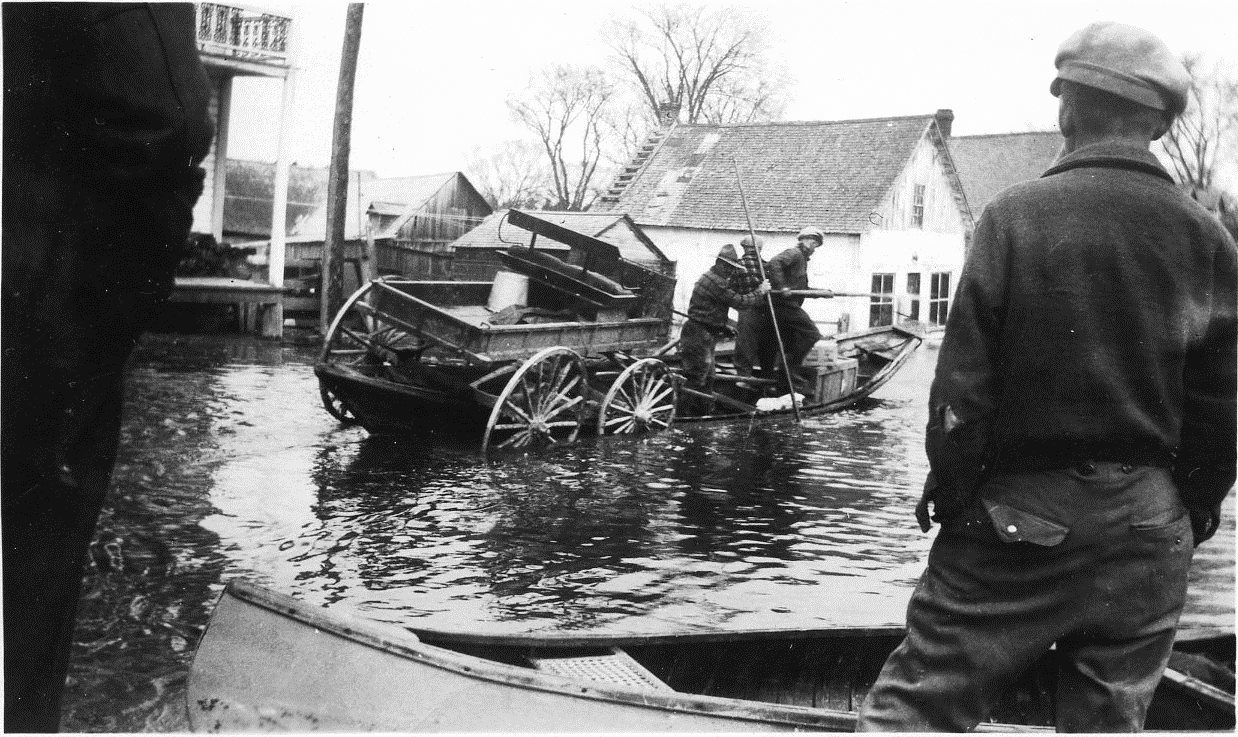 1929
 Top