History of Mississauga · Canada’s heritage registers
The registers record 1 historic place in Mississauga
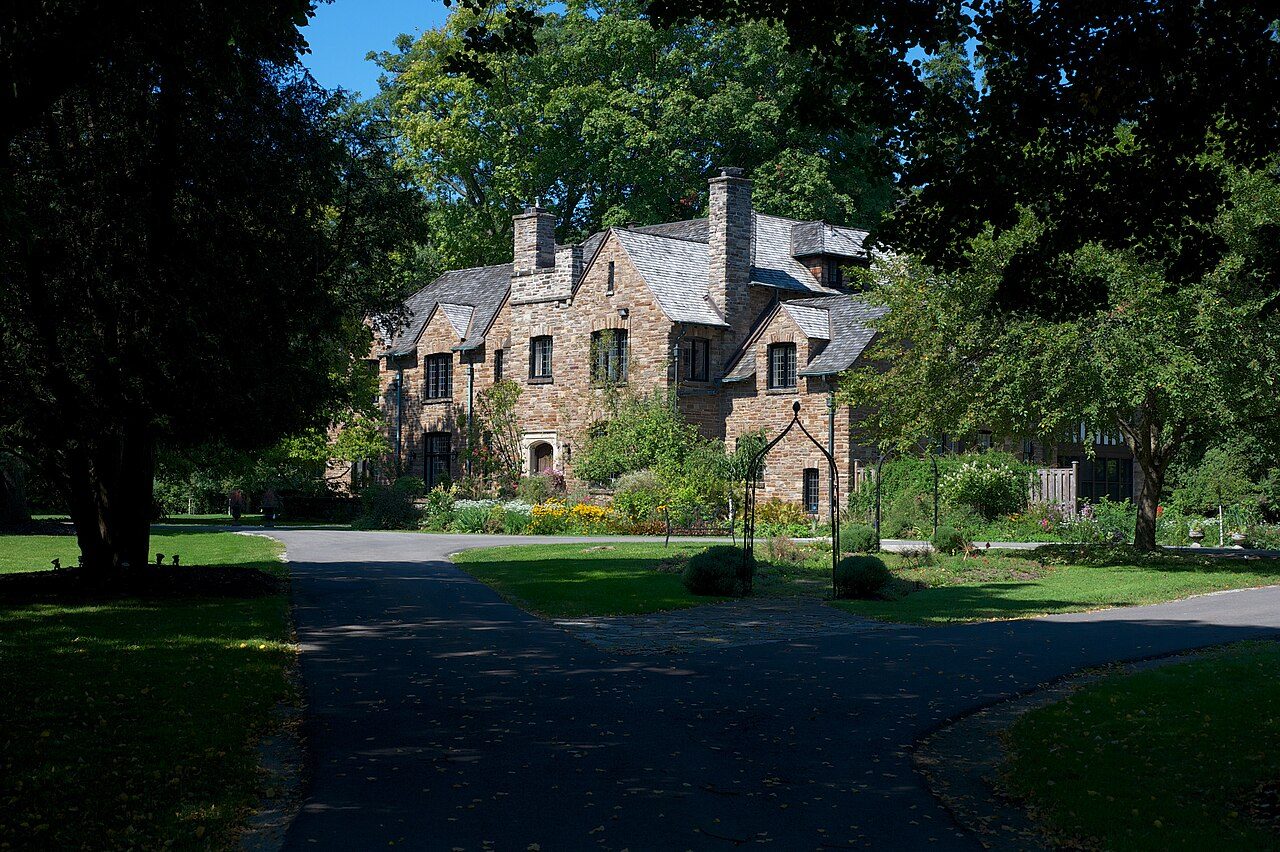
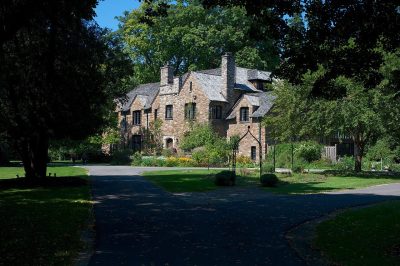
Mississauga’s entry is Lislehurst (1885), a designated heritage property (part iv). A further one sits a short way past the edge of town. Its housing is mostly newer: 7.2% predates 1961, where the typical town has 18%. Wikidata knows 7 more provincial or municipal listings here that get no page, lacking an open statement or an encyclopedia article.
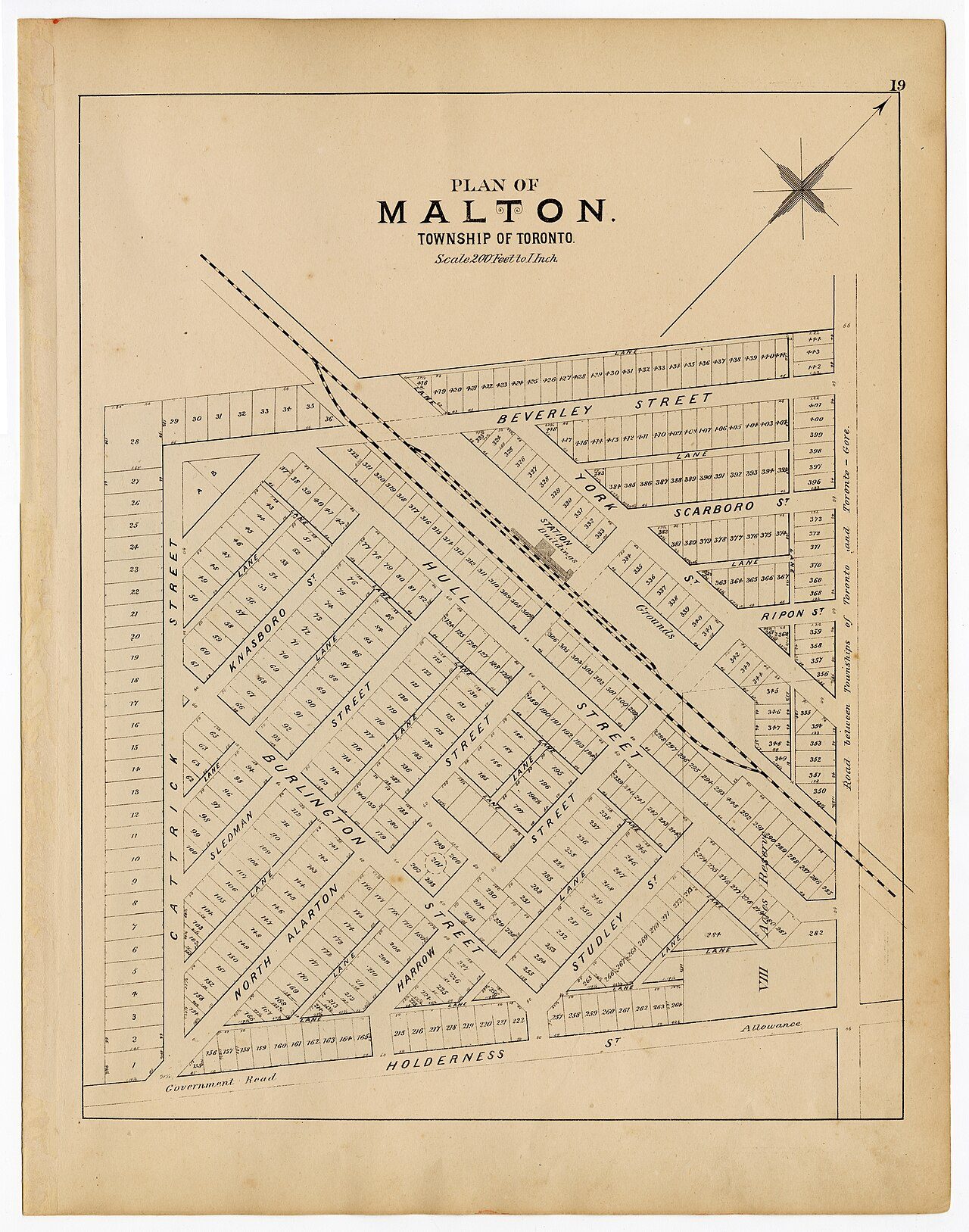
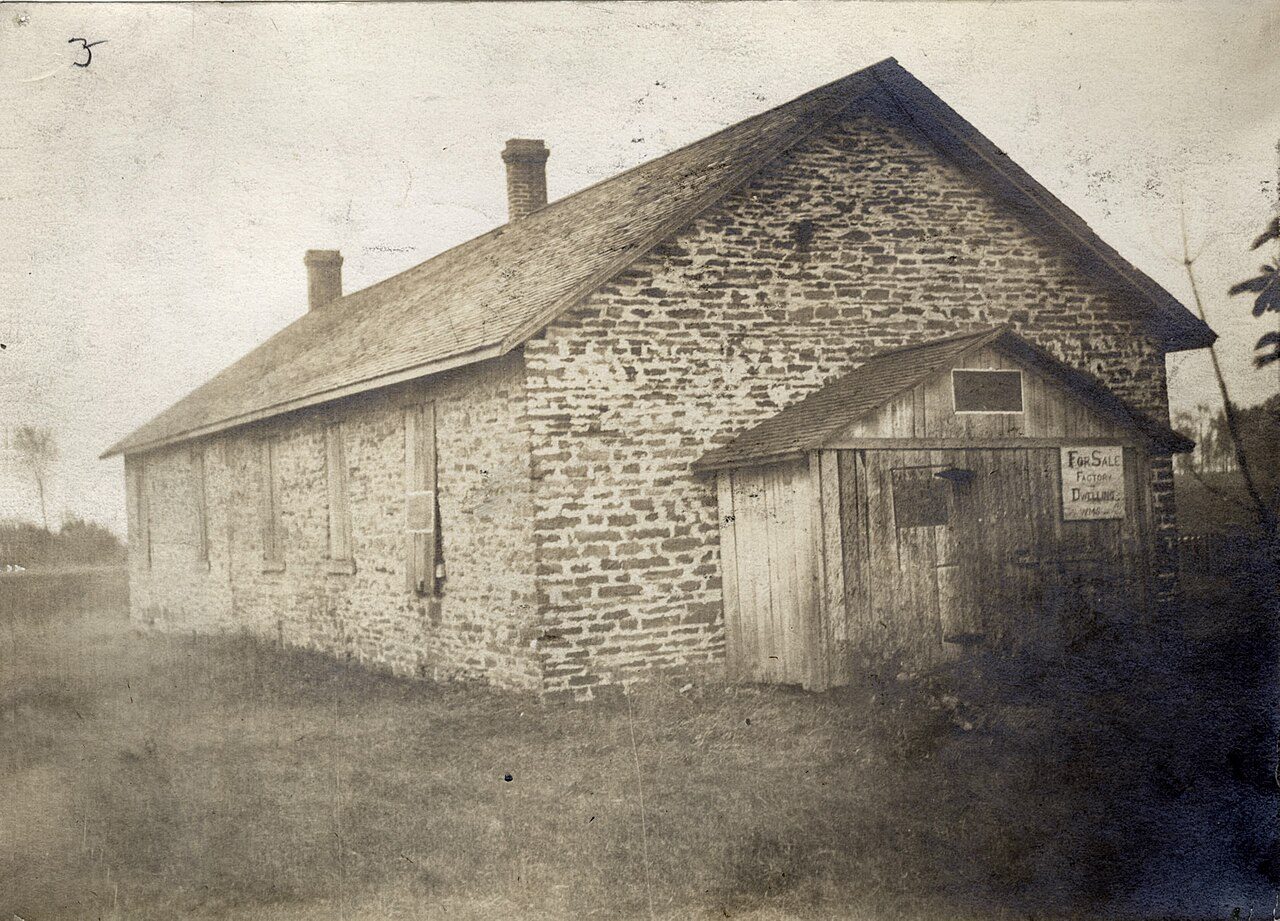
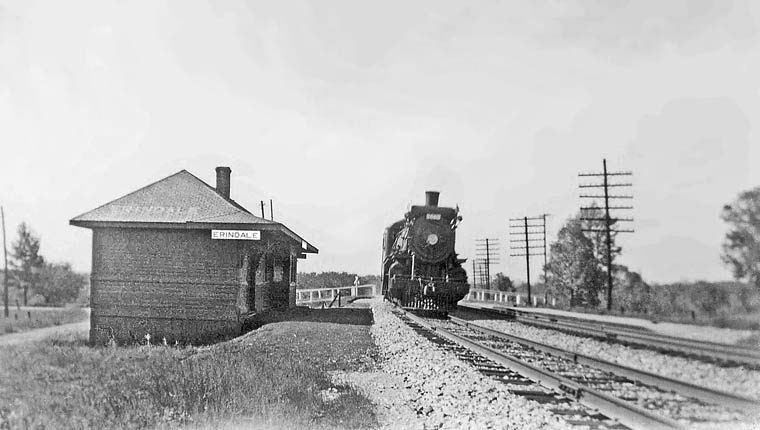
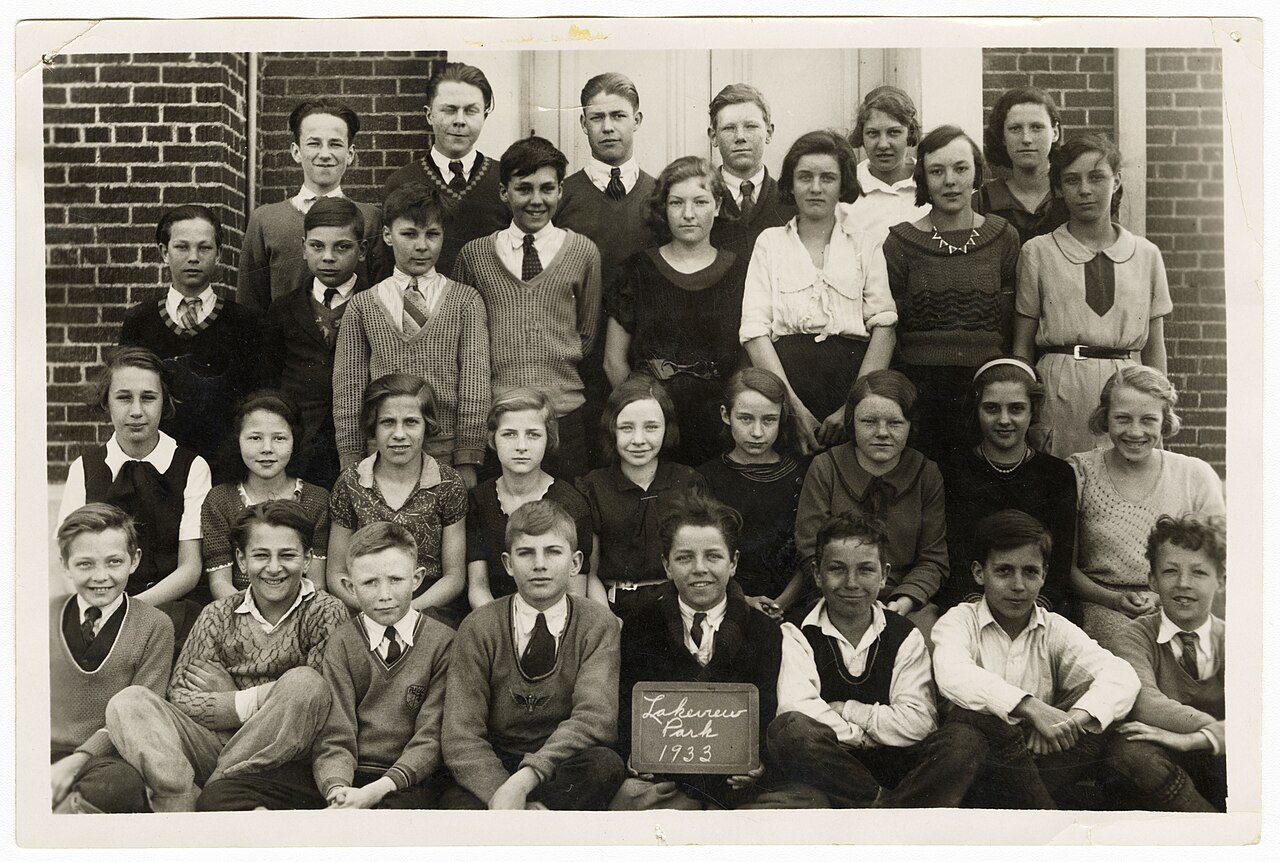
Public domain or CC0, made before 1950, from Wikimedia Commons; old views of places can be drawings, prints or maps of their time. Each credit opens the image’s page.
How it began
Back to 1968: Mississauga’s first record
Behind the name Mississauga is Missisauga, tribals of the First Nations people in Northwestern Ontario. For the municipality of Mississauga itself, Wikidata records 1968, a date that can be a founding as much as a merger.
Every place on the registers inside the town, by its designation.
Provincial and local listings
Dots open their places’ pages; hover first to read the name.
The 1, by tier
1 Provincial and local listings
The federal directory kept by Parks Canada supplies most of these places; provincial and municipal lists outside Québec aren’t open data, so only the ones Wikidata documents with an article appear.
Points from Wikidata (Parks Canada’s files carry none) and from Québec’s register, as mapped there.
Provincial and local listings
One local listing in Mississauga
Provincial and municipal listings that Wikidata records and an encyclopedia describes. Each one opens its own page.
By designation: 30 National Historic Sites, 6 provincial or municipal listings and 2 heritage railway stations. They belong to 20 towns, chiefly Downtown Yonge East, Yonge-Bay Corridor and Fort York-Liberty Village. At 14 km, “Former Canadian National Railways (VIA Rail/GO Transit) Station, Brampton, Ontario” in Downtown is the closest.
Kensington MarketNational Historic Site · 1815–1816 · 23 km away, in Kensington-Chinatown
George Brown HouseNational Historic Site · 1875–1878 · 23 km away, in Kensington-Chinatown
SpadinaNational Historic Site · 1866–1914 · 23 km away, in Casa Loma
Just outside Mississauga: 1
Adamson EstateDesignated heritage property (part IV) · 100 m outside the town
Homes by age
Most of Mississauga’s homes went up from 1981 to 2000: 39%
Homes built from 2001 to 2015 make up 20% of Mississauga’s, against 15% in the typical town. From 2016 on, Mississauga built 3.4% of its homes, near the typical 4.1%. Over half of the homes in Mississauga were already standing by 2001.
7.2%
Before 1961
31%
1961–80
39%
1981–2000
20%
2001–15
3.4%
2016–21
MississaugaTypical town
2021 Census, private dwellings by period of construction (Statistics Canada); the typical town is the middle Canadian town of 2,500 or more.
Born here
Born in Mississauga, 1876 to 1909
At 81, Thomas Laird Kennedy outlived the rest, dying in 1959. The record holds 4 people born here before 1914. Best known is Joe Schleimer, with articles in 11 Wikipedia languages.
Melvin Ormond Hammond
Thomas Laird Kennedy
Morag Smith
Joe Schleimer
18501875190019251950
JS
Joe Schleimer1909–1988 · Olympic wrestler
Thomas Laird Kennedy1878–1959 · Canadian politician
Melvin Ormond Hammond1876–1934 · Canadian photographer
MS
Morag Smith1901– · Canadian comedian
Everyone born in Mississauga → Born before 1914 (the page’s periods: Confederation to the First World War). Birthplaces from Wikidata, each checked against the person’s Wikipedia article.
The registers count 1 historic place in Mississauga. Its people of the past include Joe Schleimer (1909), Thomas Laird Kennedy (1878) and Melvin Ormond Hammond (1876). Little of its housing was standing by 1961: 7.2%, against 18% in the typical town.
How to read these numbers
What this data can and can’t tell you
•
The federal register. Federal places come from Parks Canada’s directory, which counts National Historic Sites, federal heritage buildings, stations and lighthouses; their statements are the register’s own.
•
Protection. A National Historic Site designation recognises significance; it doesn’t by itself protect a building the federal government doesn’t own. Legal protection comes from provincial and municipal designations, whose own registers aren’t open data outside Québec.
•
People and events. Persons of national historic significance come with no location; a town gets one only by birthplace (name and both life years agreeing) or by one of its own places that bears the name and whose record tells the story. Events, which can’t be tied, are left out.
•
Provincial and municipal lists. Provincial and municipal listings here come from Wikidata alone, since the provinces’ own registers can’t be reused; a listing needs an encyclopedia article to get a page.
•
Map points. Parks Canada publishes no coordinates, so federal places are pinned where Wikidata puts them.
•
The grade. There is no history grade: the page sets out the record and compares it with other towns.
•
The tiers. Tiers follow the designation: national recognition and classement first, other federal designations next, provincial and local listings last.
Questions about Mississauga’s history
How many historic places does Mississauga have on the registers?
Inside Mississauga: 1 historic place.
What is the oldest building in Mississauga?
Lislehurst, a Designated heritage property (part IV), begun in 1885.
How old are the homes in Mississauga?
7.2% predate 1961, where the typical town has 18%.
Why might a heritage building in Mississauga be missing here?
Only federal designations are fully open outside Québec. 7 more listings in Mississauga are known through Wikidata alone, so they are counted, not paged.
Contains information licensed under the Open Government Licence – Canada (Parks Canada).
Sources: Parks Canada, Directory of Federal Heritage Designations · Canadian Register of Historic Places (federal extract) · Wikidata (CC0) for map points, other names and articles · Statistics Canada, 2021 Census (homes by period of construction). Under the Statistics Canada Open Licence.
 1877
 1877
 1877
 1877
 1890s
 c. 1908
 1910
 1933
 Local

