Banting House · Photo: Compmouse from Canada. Please credit author every time image is used · CC BY-SA 2.0
16historic places on the registers
History of London · Canada’s heritage registers
London has 16 historic places on the registers, 4 in the top tier
On the list: 12 provincial or municipal listings. Go back to 1827 and you reach Middlesex County Court House, the oldest of them. Behind these stand 55 more local or provincial listings that only Wikidata records.
National Historic Sites and Classified Federal Heritage Buildings
Provincial and local listings
12
provincial and municipal listings with an encyclopedia article
Oldest building
1827
the first construction date on its record
Homes built before 1961
22%
typical town: 18%
In pictures
See London today and before 1950: 16 photos, 13 old pictures
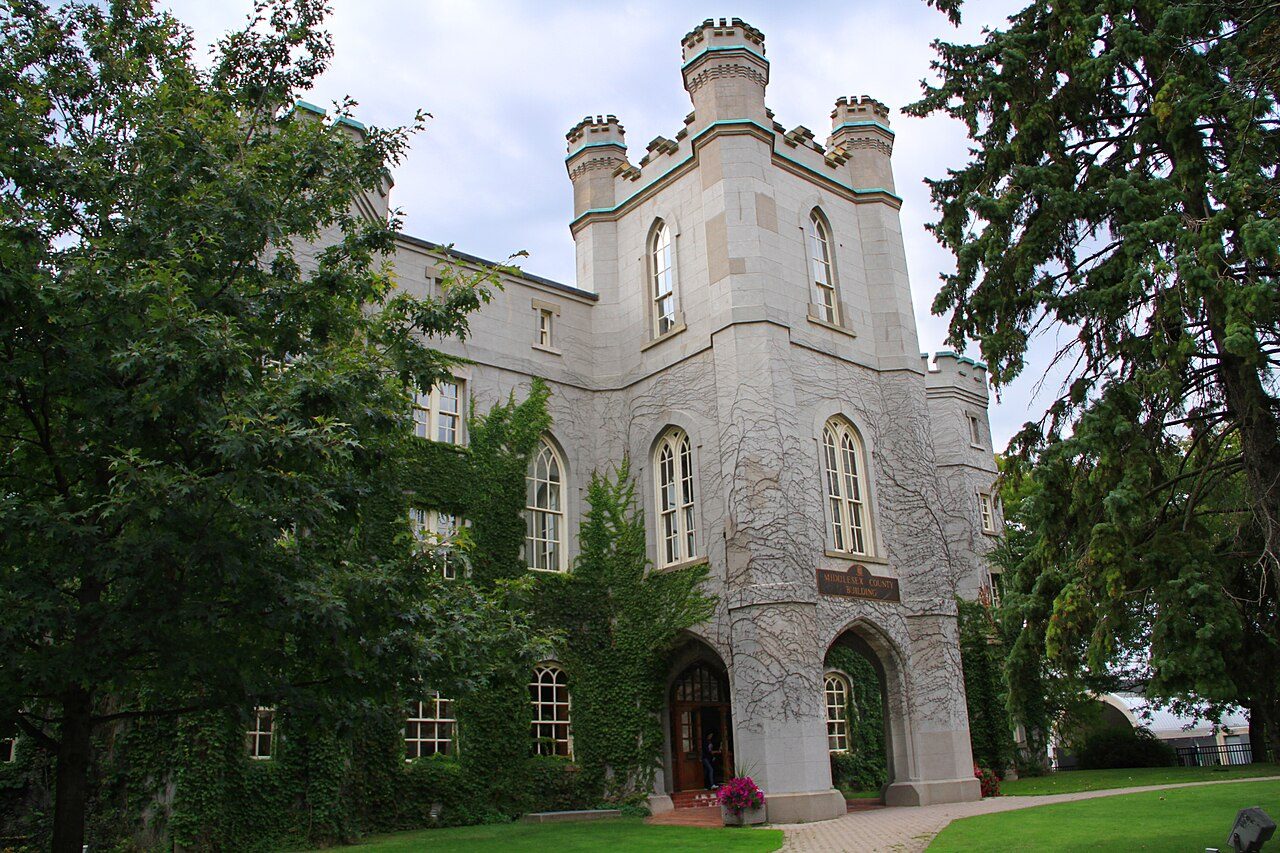
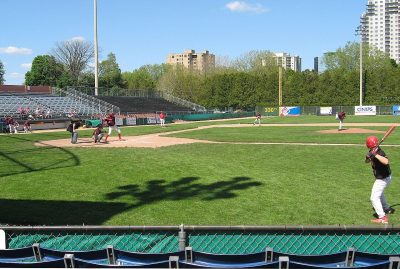
Two to begin with: Banting House and Middlesex County Court House. Each of London’s designated places has a photo. Open a place’s page for its old views: 5 places in London have them.
Photos from Wikimedia Commons, each credited to its photographer with its licence; names open the place’s page. Tap a photo to step through them full screen.
Through time
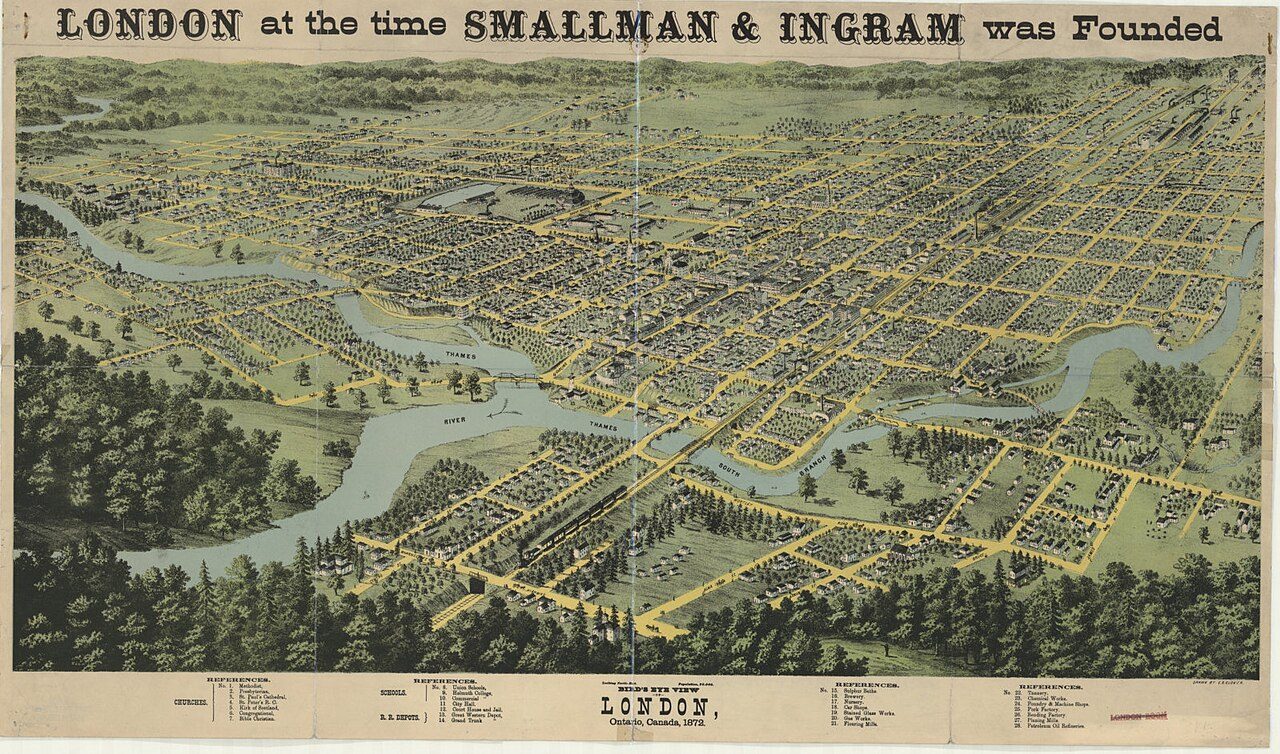
Pictures of London from 1872 to 1910
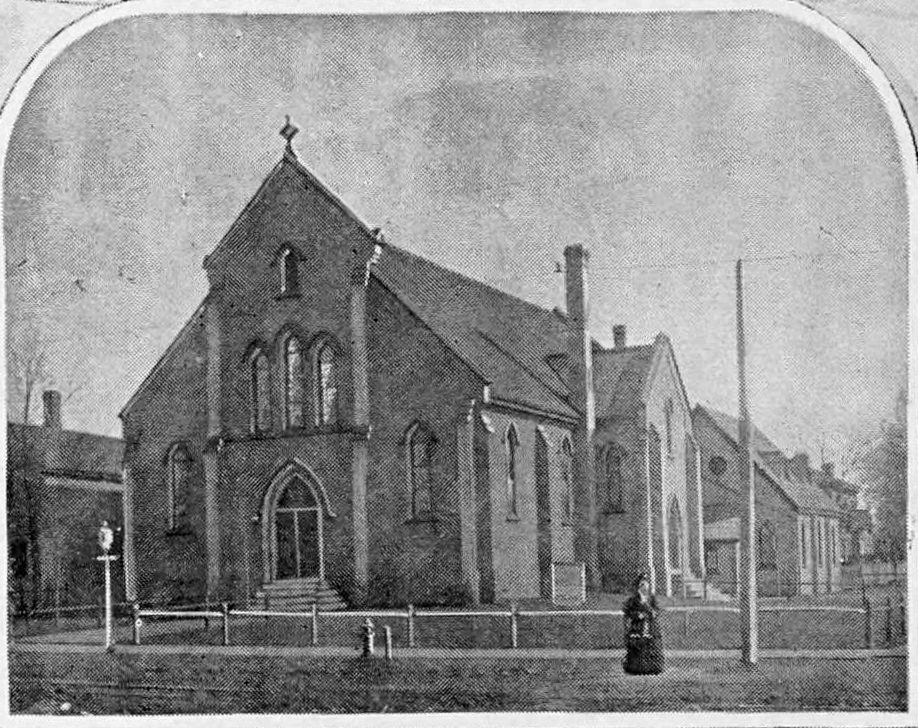
By date: 8 old photographs of the town, with the oldest views of 5 of its historic places. Swipe along the strip; each picture opens at full size.
1875190019251950Before ConfederationConfederation to 1900Boom yearsThe wars and betweenAfter the war
1872Confederation to 1900Bird's Eye View of London, Ontario, Canada, 1872Photo: E.S. Glover · Public domain1872Confederation to 1900London at the time Smallman and Ingram was founded. Bird's eye view of London, …Photo: E. S. Glover · Public domain1885Confederation to 19007th Battalion at Clark's Crossing, City of London, Ontario, Canada (1897), p129Public domain1885Confederation to 19007th Battalion non-coms in London, City of London, Ontario, Canada (1897), p129Public domain1897Confederation to 1900Christ Church, City of London, Ontario, Canada (1897), p66Public domain1897Confederation to 1900Windermere, or D. S. Perrin House, City of London, Ontario, Canada (1897), p115Public domain1897Confederation to 1900Talbot St. Baptist Church, City of London, Ontario, Canada (1897), p69Public domain1897Confederation to 1900Court House, City of London, Ontario, Canada (1897), p75Public domain1897Confederation to 1900Waverly, City of London, Ontario, Canada (1897), p116Public domain1904Boom yearsPostcard view of the Victoria Hospital circa 1904. (From the holdings of the Un…Public domain1904Boom yearsPostcard view of the Victoria Hospital circa 1904. (From the holdings of the Un…Public domain1910Boom yearsPostcard of UWO's hospital complex, 1910Public domainc. 1910Boom yearsSt. Paul's Cathedral, London, by Red Star News Co. (postmarked 1910-05-07), obv…Photo: Red Star News Co., London · Public domain
Public domain or CC0, made before 1950, from Wikimedia Commons; old views of places can be drawings, prints or maps of their time. Each credit opens the image’s page.
How it began
Back to 1826: London’s first record
In Wikidata’s entry, the municipality of London dates from 1826; that can mean a founding, a charter or a merger. The municipality of London was incorporated as a town in 1840 and a city in 1855.
Every place on the registers inside the town, by its designation.
Highest designationsProvincial and local listings
Names show on hover, and a tap takes you to the place’s page.
The 16, by tier
4 Highest designations12 Provincial and local listings
Parks Canada’s Directory of Federal Heritage Designations lists the places the Government of Canada has recognized; outside Québec, provincial and municipal listings come only through Wikidata, and only those with an encyclopedia article get a page.
Points from Wikidata (Parks Canada’s files carry none) and from Québec’s register, as mapped there.
Highest designations
4 places in London with the highest designation
Their dates run from 1827, with Middlesex County Court House, to 1900. National Historic Sites and Classified Federal Heritage Buildings, Canada’s highest federal recognition. Designations came from 1955 to 1998. Each one opens its own page.
National Historic Site · 1900–1901Banting House442 Adelaide Street NorthPhoto: Compmouse from Canada. Please credit author every time image is used · CC BY-SA 2.0 · Commons file
What’s designated
25% of London’s historic places are public buildings
Nationally theatres, museums and memorials make up 6% of the list, so 19% here stands out. The runner-up group is churches and religious buildings, 3 in all. At the head of the list: Middlesex County Court House and Ridout Street Complex.
Public buildings4
Churches and religious buildings3
Theatres, museums and memorials3
Houses2
Forts and military buildings1
Other places3
The groups come from each place’s name and its recorded functions, by what it was built as.
Provincial and local listings
12 more places London or its province protects
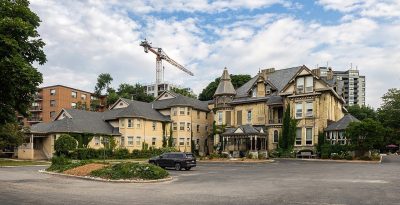
Provincial and municipal listings that Wikidata records and an encyclopedia describes. Their dates run from 1834, with Eldon House, to 1916. Each one opens its own page.
In London, the decades after Confederation left the most behind
Each place by the first construction date on its record.
British North America 1760–18665
After Confederation 1867–191310
Wars and Depression 1914–19451
Since 1946 1946 on0
Of the 16 with a date, 5 predate 1867.
Homes by age
A growing town: 6.7% of London’s homes went up from 2016 to 2021, against 4.1%
More than half of London’s housing predates 1981. London’s largest group of homes, 30%, went up from 1961 to 1980. 22% of London’s homes were built before 1961, against 18% in the typical town.
22%
Before 1961
30%
1961–80
25%
1981–2000
16%
2001–15
6.7%
2016–21
LondonTypical town
2021 Census, private dwellings by period of construction (Statistics Canada); the typical town is the middle Canadian town of 2,500 or more.
Born here
London’s past in lives: 5 nationally designated
34 Wikipedias cover Jack Warner, the most of anyone here. The earliest is John Carling, born in 1828. Of the 106, 70 were born in the decades after Confederation. Betty Dubiner closes the list, born in 1912. The 20 best known are on the timeline.
John Carling
Alicia Killaly
Saleni Armstrong-Hopkins
James Hamilton Ross
Paul Peel
Gordon Jennings Laing
Eva Theresa Bradshaw
Charles Christie
Al Christie
Arthur Goss
Edward Middleton Manigault
Gene Lockhart
George Prodgers
Jack Warner
Guy Lombardo
Helen Battle
Carmen Lombardo
John Wendell Holmes
Hume Cronyn
Betty Dubiner
1800182518501875190019251950
Jack Warner1892–1978 · American film executive
Hume Cronyn1911–2003 · Canadian-American actor
Guy Lombardo1902–1977 · Canadian-American bandleader
Gene Lockhart1891–1957 · Actor
Paul Peel1860–1892 · Designated nationally in 1937 · Canadian artist
Al Christie1881–1951 · Film director, producer, and screenwriter
HB
Helen Battle1903–1994 · Canadian marine biologist
George Prodgers1891–1935 · Canadian ice hockey player
Everyone born in London → Born before 1914. Birthplaces from Wikidata, each checked against Wikipedia; national historic persons from Parks Canada’s Directory of Federal Heritage Designations, matched by name and life years.
In London, 22% of homes were built before 1961, against 18% in the typical town. The count is 16 historic places, 4 with the highest designation. Of the 16 with a date, 10 come from the decades after Confederation. Jack Warner (1892), Hume Cronyn (1911) and Guy Lombardo (1902) are the best known of its historic lives. The other figures are unremarkable: the designations ran from 1955 to 1998.
How to read these numbers
What this data can and can’t tell you
•
Map points. Parks Canada publishes no coordinates, so federal places are pinned where Wikidata puts them.
•
People and events. National historic persons carry no place in the open file. They appear on a town’s page when born there (same name, same birth and death years) or when a historic place inside it carries their name and its record names them with their dates; national historic events don’t appear.
•
The tiers. Tiers follow the designation: national recognition and classement first, other federal designations next, provincial and local listings last.
•
Provincial and municipal lists. Provincial and municipal listings here come from Wikidata alone, since the provinces’ own registers can’t be reused; a listing needs an encyclopedia article to get a page.
•
The federal register. The federal list is complete and open: Parks Canada’s directory for the designations, the Canadian Register of Historic Places for what each one is and why it matters.
•
Protection. A National Historic Site designation recognises significance; it doesn’t by itself protect a building the federal government doesn’t own. Legal protection comes from provincial and municipal designations, whose own registers aren’t open data outside Québec.
•
The grade. There is no history grade: the page sets out the record and compares it with other towns.
Questions about London’s history
Which places in London have the highest designation?
They are Middlesex County Court House, Ridout Street Complex, Wolseley Barracks and Banting House.
What is the oldest building in London?
By its record, Middlesex County Court House, from 1827 (National Historic Site).
Why might a heritage building in London be missing here?
Provincial and municipal registers outside Québec aren’t open data. Wikidata knows 55 more listings in London, but without an open description or an encyclopedia article they get no page.
How old are the homes in London?
The 2021 Census dates 22% of its homes before 1961 (18% in the typical town).
Contains information licensed under the Open Government Licence – Canada (Parks Canada).
Sources: Parks Canada, Directory of Federal Heritage Designations · Canadian Register of Historic Places (federal extract) · Wikidata (CC0) for map points, other names and articles · Statistics Canada, 2021 Census (homes by period of construction). Under the Statistics Canada Open Licence.




 1872
 1872
 1885
 1885
 1897
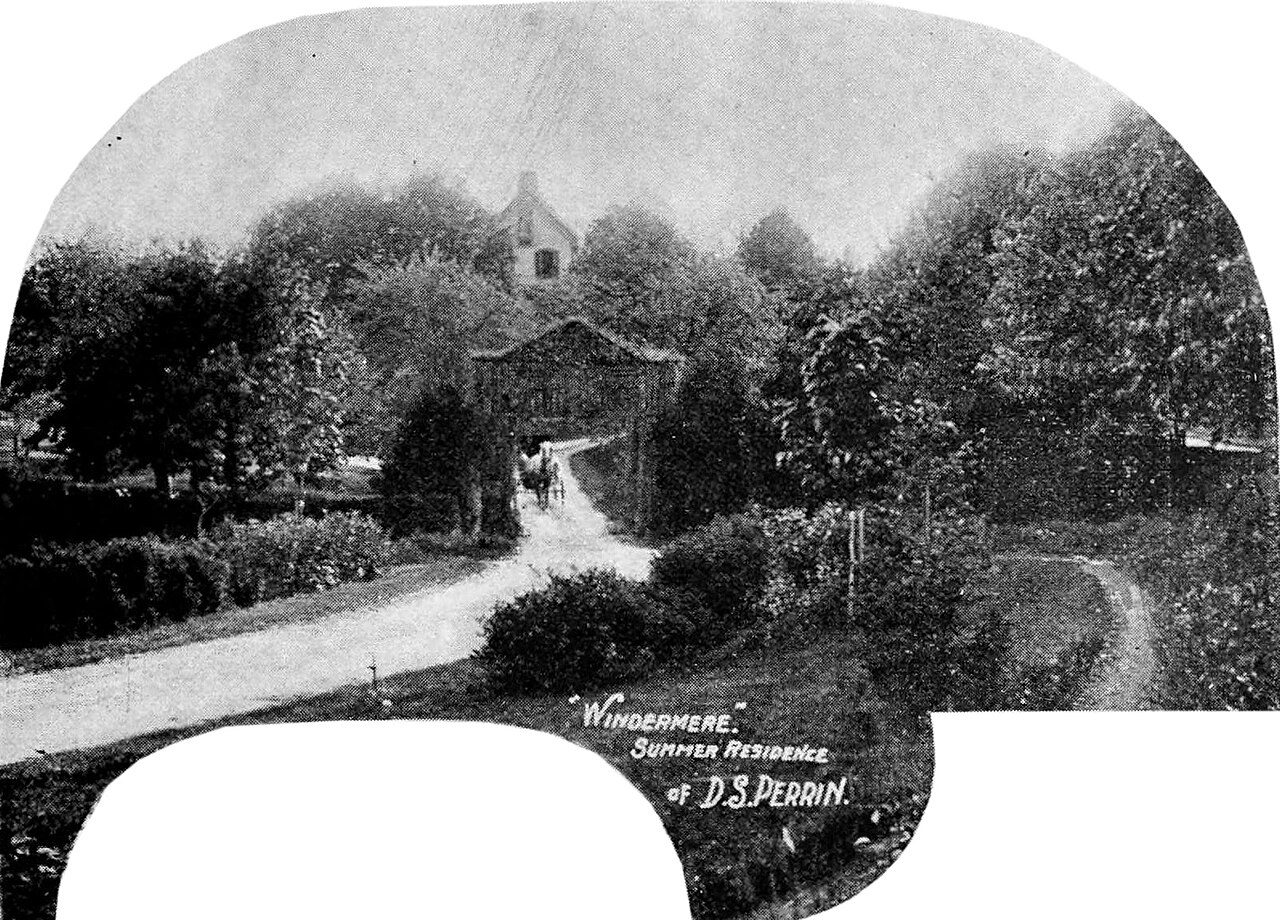 1897
 1897
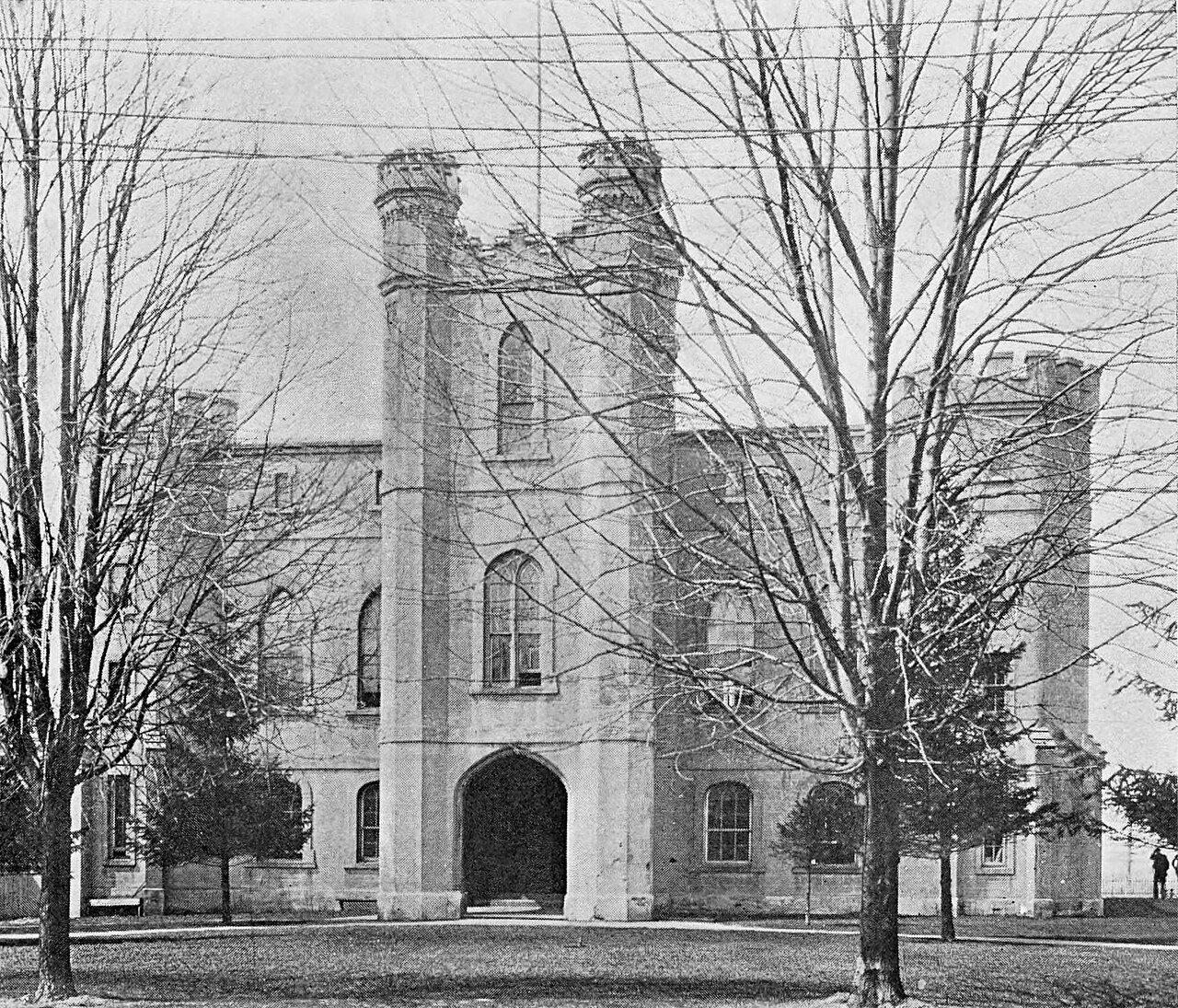 1897
 1897
 1904
 1904
 1910
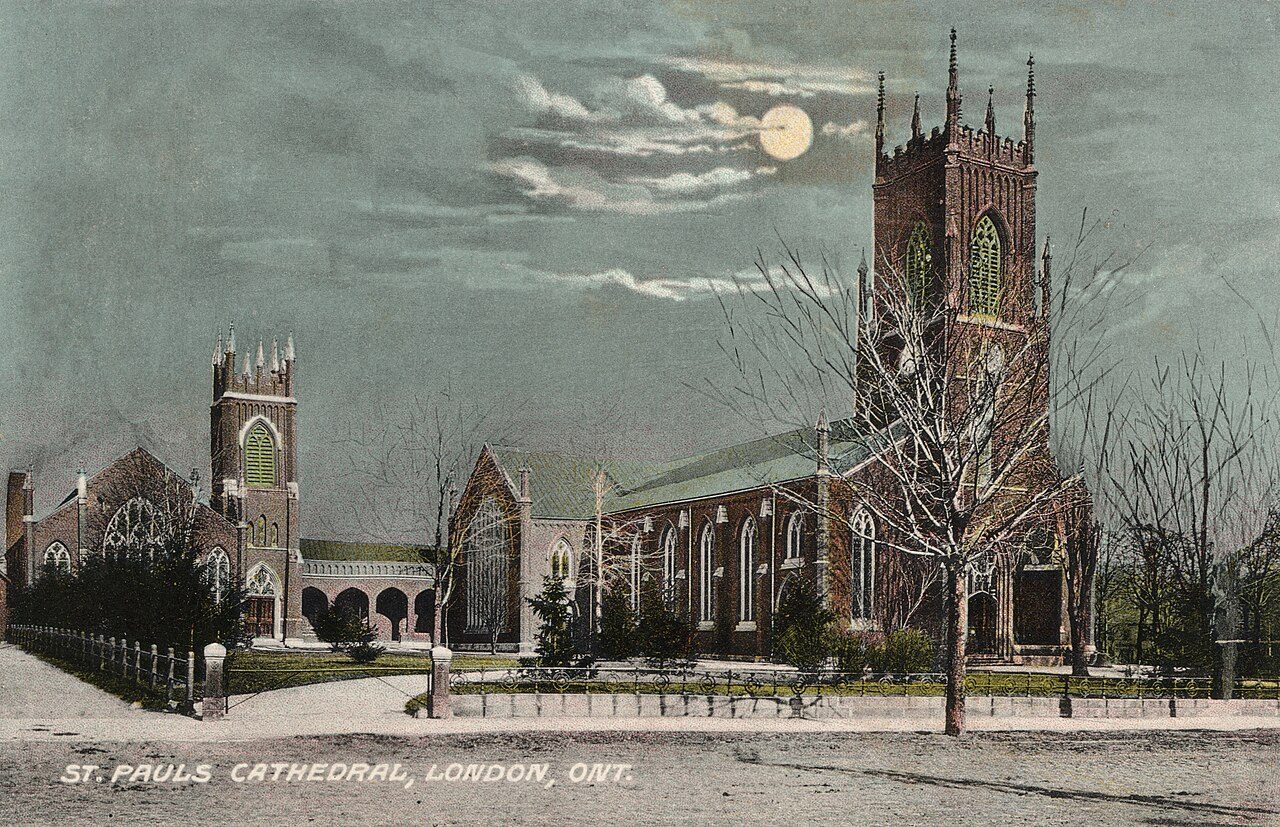 c. 1910
 Top
 Top
 Top
 Top
 Local
 Local
 Local
 Local
 Local
 Local
 Local
 Local
 Local
 Local
 Local
 Local


