 Photo: Kevin M Klerks from Inverhuron, Canada · CC BY 2.0
Within 50 km of Kincardine, 6 places are on the heritage registers
The closest top-tier heritage to Kincardine is in Huron-Kinloss, 19 km away. 7 people on record were born in Kincardine before 1914, Malcolm McKenzie the earliest. As a municipality it dates, by Wikidata, from 1848, a date that can mark incorporation or a merger as well as a founding.
The highest designation, 3 times, within 50 km of Kincardine
The oldest, Tower, dates from 1855, 33 km away. They stand in 2 towns, Port Elgin and Huron-Kinloss among them. Among them are 3 heritage lighthouses, 2 National Historic Sites and a Classified Federal Heritage Building.
The 6 nearest, within 50 km
| Point Clark LighthouseNational Historic Site · 1856–1860 · 21 km away, in Huron-Kinloss |
| McNab Point LighthouseHeritage Lighthouse · 1877–1878 · 32 km away, in Port Elgin |
| TowerClassified Federal Heritage Building · 1855–1860 · 33 km away, in Port Elgin |
| Saugeen River Front Range LighthouseHeritage Lighthouse · 1903–1904 · 36 km away, in Port Elgin |
| Saugeen River Rear Range LighthouseHeritage Lighthouse · 1903–1904 · 36 km away, in Port Elgin |
| Donaldson SiteNational Historic Site · 38 km away, in Port Elgin |
Within 50 km of Kincardine, the oldest record dates from 1855
Out to 50 km from Kincardine, outside the town: each place by when its record says building began.
5 places within 50 km carry a construction date. 2 go back before 1867. Tower, in Port Elgin, is the oldest (1855).
Kincardine keeps more old homes than most towns: 23% from before 1961, against 18%
The busiest building years in Kincardine were from 1961 to 1980, which account for 37% of today’s homes. From 2016 on, Kincardine built 5.7% of its homes; the typical town built 4.1%. Only 18% of Kincardine’s homes were built from 1981 to 2000, less than the typical town’s 23%.
2021 Census, private dwellings by period of construction (Statistics Canada); the typical town is the middle Canadian town of 2,500 or more.
1863 to 1898: the people Kincardine gave its past
Best known is James Brown Scott, with articles in 9 Wikipedia languages. The longest life here was George Sellery’s, 90 years, ending in 1962. Wikidata and Wikipedia agree on 7 births here before 1914. Of the 7, 4 were born in the decades after Confederation.


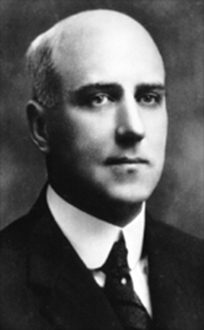


Everyone born in Kincardine → Born before 1914 (the page’s periods: Confederation to the First World War). Birthplaces from Wikidata, each checked against the person’s Wikipedia article.
How Kincardine compares with 16 towns its size
Towns of 13,100 to 13,200 residents, by places on the registers.
Only Centre-Nord (Montréal-Nord) and Yonge-St.Clair have more. The middle one has 0. For 14, the registers list nothing.
Kincardine and its neighbours
| Town | People | Places | Highest | Oldest |
|---|---|---|---|---|
| Kincardine | 13,169 | 0 | 0 | — |
| Huron-Kinloss | 8,445 | 1 | 1 | 1856 |
Kincardine in brief
Kincardine’s homes from before 1961 come to 23%, against 18% in the typical town. Among the lives from its past: James Brown Scott (1866), Malcolm McKenzie (1863) and James Malcolm (1880). Towns its size usually have more historic places; the middle one has 0.
What this data can and can’t tell you
- Provincial and municipal lists. Only Wikidata gives open access to listings on provincial and municipal registers outside Québec; without an article such a place is counted but not paged.
- The federal register. The federal list is complete and open: Parks Canada’s directory for the designations, the Canadian Register of Historic Places for what each one is and why it matters.
- The grade. History isn’t one of Canada’s graded pillars, so this page describes and compares without a letter.
- People and events. National historic persons carry no place in the open file. They appear on a town’s page when born there (same name, same birth and death years) or when a historic place inside it carries their name and its record names them with their dates; national historic events don’t appear.
- The tiers. National Historic Sites and the most protected buildings form the top tier; recognized federal buildings, stations and lighthouses the second; provincial and municipal listings the third.
- Protection. A National Historic Site designation recognises significance; it doesn’t by itself protect a building the federal government doesn’t own. Legal protection comes from provincial and municipal designations, whose own registers aren’t open data outside Québec.
Questions about Kincardine’s history
How many historic places does Kincardine have on the registers?
Inside Kincardine, none so far. At 21 km, Point Clark Lighthouse in Huron-Kinloss is the nearest, with the top designation.
When did Kincardine become a municipality?
Wikidata dates the municipality of Kincardine to 1848. That can be its founding, its incorporation or a later merger.
How old are the homes in Kincardine?
Before 1961: 23% of its homes; the typical town has 18%.
Contains information licensed under the Open Government Licence – Canada (Parks Canada).
Sources: Parks Canada, Directory of Federal Heritage Designations · Canadian Register of Historic Places (federal extract) · Wikidata (CC0) for map points, other names and articles · Statistics Canada, 2021 Census (homes by period of construction). Under the Statistics Canada Open Licence.
Adapted from Statistics Canada (Census of Population 2021, population estimates 2025, 2021 census boundaries) under the Statistics Canada Open Licence; this does not constitute an endorsement by Statistics Canada. Neighbourhood names in some cities © OpenStreetMap contributors (ODbL).