3 places in town are on the National Register, among them the Jack London Ranch, a National Historic Landmark, and a historic district with 5 buildings. Below: old-book passages.
Founding year: the first Glen Ellen post office (Blevins & Helbock, CC0).The full story ↓
History grade
What drives Glen Ellen’s History grade
On its age, its old homes and the National Register, Glen Ellen is more historic than 71% of U.S. towns. Its National Register listings hold the grade up; its age pulls it down.
B+
HistoryA character grade: shown, never part of Glen Ellen’s overall grade.
Few California towns list much on the Register (a typical California town has 0.0 per 10,000 residents, the U.S. 2.4), so Glen Ellen’s 64.9 sits above most of its state (98% of California towns have fewer) while its 7 historic buildings outnumber those of 73% of U.S. towns.
How sure. Graded on any two of the three inputs instead, the letter would range from B− to A−. The pre-1940 share is a Census survey estimate (±12.7 points). The founding year is the first post office, not a stated founding date.
Founding year: the first post office (other dates in Quick answers). Homes: Census ACS 2020–24. National Register: National Park Service, May 2026 list; each listing counted once (boundary changes and added documentation belong to their listing), and a historic district counts its contributing buildings. How TownRatings grades history →
What stands out about Glen Ellen’s past
Read from the archive, the National Register and the record. The page puts what stands out first.
In 1859, Charles V. Stuart purchased a part of the Rancho Agua Caliente land grant and in 1868 began building a house there, eventually establishing a 1,000-acre (4.0 km2) vineyard he named Glen Ellen after his wife. The town that grew up around the vineyard also came to be called Glen Ellen, and Stuart's home was later renamed Glen Oaks Ranch.
Passages that mention Glen Ellen, cut from the printed page as they were published.
An illustrated history of Sonoma County, California. Containing a history of the county of Sonoma from the earliest period of its occupancy to the present time1889 · page 431Read the page →
Read the text
viticulture in Sonoma County. In 1869 he settled under his own vine and tig tree upon his Sonoma Valley property, and gave the name of Glen Ellen to his home, a name which was later given to the neighborhood postoffice, and still later to a picturesque village three-fourths of a mile away, reached by two lines of railroad.
Text read by machine from the scan; it may contain errors.
An illustrated history of Sonoma County, California. Containing a history of the county of Sonoma from the earliest period of its occupancy to the present time1889 · page 565Read the page →
Read the text
B. Warfield ninety-eight acres of land located j south of his former holdings and east of what I is now the village of Glen Ellen. Upon this I land Mr. Gibson made extensive improvements, and entered more extensively into grape culture and wine making. For this purpose he erected a winery and cellar with a capacity of 75,000 gallons. He also, in 1869, built a substantial
Text read by machine from the scan; it may contain errors.
History of Sonoma County, California, with biographical sketches of the leading men and women of the county, who have been identified with its growth and development from the early days to the present time1911 · page 148Read the page →
Read the text
valley is Sonoma township, the area lying within the Napa line on the east, the bay shore on the south, the high range of hill on the west, and a zigzag line running easterly and westerly just south of Eldridge. This places the pretty little village of Glen Ellen — its name reminding one of some bonny heather hamlet of Scotland — with her highlands and lowlands, in a township all her own. In the Sonoma region are the aguas caliente, whose thermal mineral waters bubble for the healing of the nations, among which are the Boyes Hot Springs on the old Leavenworth rancho in the northern part of the
Text read by machine from the scan; it may contain errors.
History of Sonoma County, California, with biographical sketches of the leading men and women of the county, who have been identified with its growth and development from the early days to the present time1911Read the page →
Read the text
the California Pacific, Oiarles Crocker strangely failed to see any value in the Sonoma line, and returned it to Donahue. The line was continued south through Marin county to Tiburon on the bay, and a branch was constructed from Ignacio up through Sonoma valley to Glen Ellen. On the coast a narrow gauge road was built, beginning at Sausalito crossing Marin and entering Sonoma county near the town of Valley Ford, the northern terminus being Cazadero in the redwood belt. These two lines eventually became a part of the great California
Text read by machine from the scan; it may contain errors.
Scans and text from the Internet Archive. Books published in 1930 or earlier, which are in the public domain.
Timeline
Glen Ellen, 1871 to 1962
Woven from the archive, old maps, post office records, the National Register and the people born here.
Glen Ellen’s post office has been open since 1871.
Gone or out of use
Kohler and Frohling WinerylocaleWolf Housebuilding
US Post Offices dataset (Blevins & Helbock, CC0). Places and cemeteries from the USGS Geographic Names Information System (2021).
Questions about Glen Ellen’s history
What year was Glen Ellen founded?
The Glen Ellen post office opened in 1871, the earliest record of the town by name (U.S. post office records).
How does Glen Ellen rank for history?
Glen Ellen is more historic than 71% of U.S. towns. The History grade combines the town’s founding era, the share of homes built before 1940 and its National Register listings. It’s a character grade, so it isn’t part of the overall grade. How it works.
What is on the National Register in Glen Ellen?
Three places: the Jack London Ranch (listed 1966), the Hotel Chauvet (1990) and the Glen Oaks Ranch (1994).
How old are the homes in Glen Ellen?
17% of Glen Ellen’s homes were built before 1940 (Census estimate, ±12.7 points), against a typical 3.4% for a California town; the median home was built in 1956.
Founding dates: Wikidata, Wikipedia, the U.S. post office records of Blevins & Helbock (CC0) and the Census. Homes by year built: Census ACS 2020–24. National Register of Historic Places: National Park Service (list of May 22, 2026). Old photos, postcards and papers: Wikimedia Commons, the Library of Congress and other public archives, credited on each item’s page. Maps: U.S. Geological Survey historical topographic maps (via Esri) and Sanborn fire-insurance maps (Library of Congress). History text and census tables: Wikipedia (CC BY-SA 4.0). Places that used to be: USGS Geographic Names Information System (2021).
From Wikimedia Commons (3), the National Register of Historic Places (3), Wikipedia, the US Post Offices dataset (Blevins & Helbock), the USGS Geographic Names Information System and old county and town histories (Internet Archive). Archive images are copied here with their credits and licenses, shown on each photo’s page. Refreshed monthly.
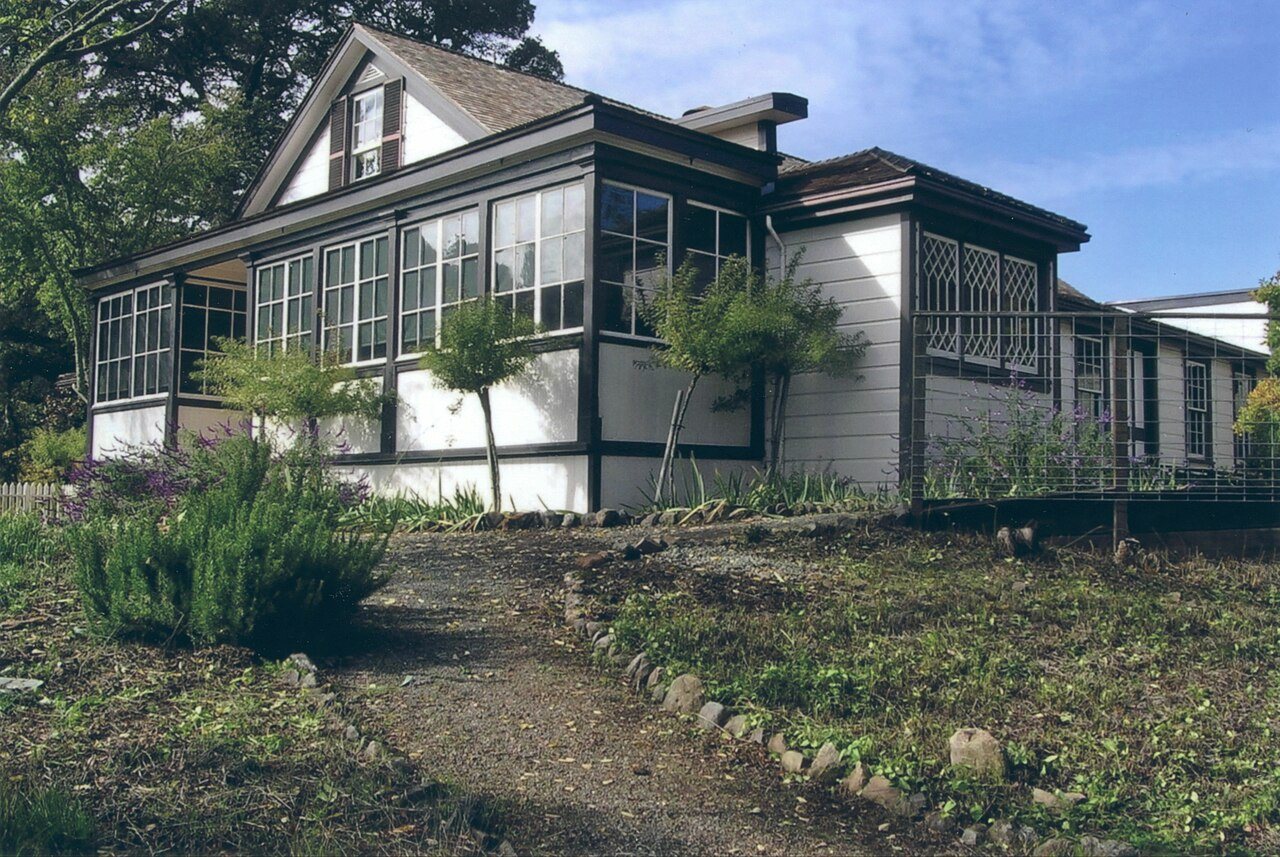


 ★ Landmark


 2022
 2018
 2016


