ConcordAL
A town of 1,913.
Is Concord a good place to live?
The best of Concord’s subject grades is an A for cost of living; the weakest is a D− for walkability. Only 18 of Alabama’s 308 towns score lower on the outdoors. Concord has fewer than 2,500 residents, so it gets subject grades but no overall grade.
What makes Concord stand out
Where Concord beats most towns.
99% of working residents leave Concord for work
Where Concord’s working residents go each day. Line width shows the share.
Census LEHD 2023
How Concord grades
Each subject compared with towns across the country (schools within Alabama), ordered by how far Concord is from typical.
How TownRatings grades towns →
Bryant–Denny Stadium and 24 more within 40 miles
Museums, parks, gardens and other places to visit around Concord. Close and well known come first.
 Big draw34 mi Stadium & arenaBryant–Denny Stadium
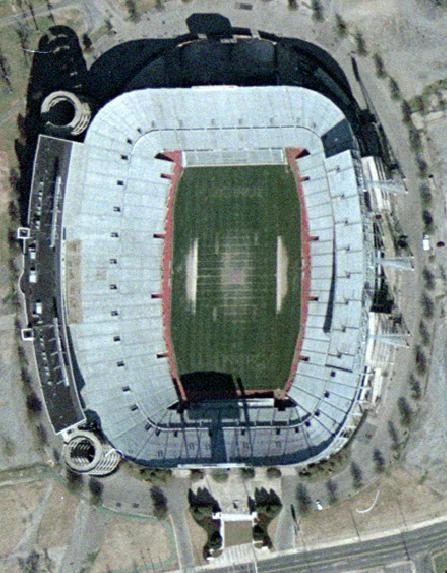 12 mi Stadium & arenaLegion Field
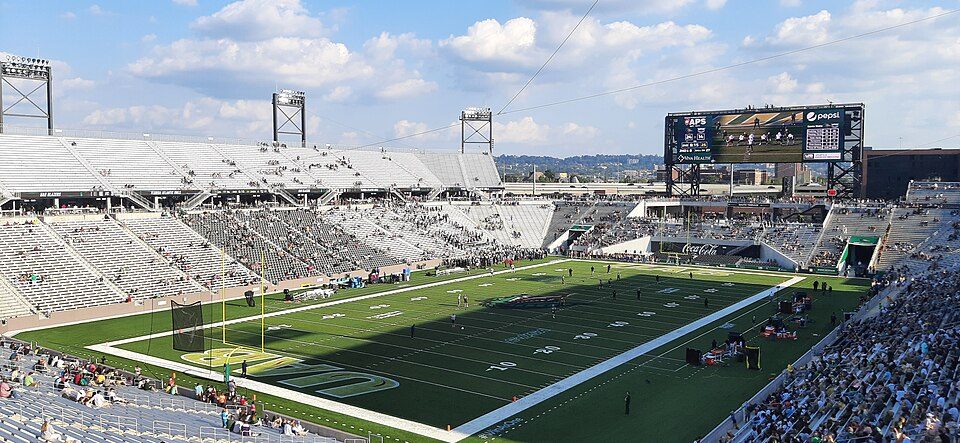 14 mi Stadium & arenaProtective Stadium
 15 mi MuseumSloss Furnaces
 14 mi Stadium & arenaLegacy Arena6 mi Theme parkAlabama Adventure & Splash Adventure
Photo credits
Bryant–Denny Stadium: Joel יוֹאֵל, CC BY-SA 2.0 · Legion Field: USGS, Public domain · Protective Stadium: Unknown, CC BY-SA 4.0 · Sloss Furnaces: DXR, CC BY-SA 4.0 · Legacy Arena: AuburnShuffle, CC0


Moving to Concord: who provides what
Concord is unincorporated, so Jefferson County and regional agencies provide most services.
EPA SDWIS (Oct 9, 2026) · HIFLD + EIA-861 2025 · Census 2020 ZCTAs · NCES 2024–25 · registration: vote.gov, updated Nov 18, 2024.
The data
Ordered by what stands out in Concord.
More of Concord’s adults have been diagnosed with depression than in the typical Alabama or U.S. town
Among adults in Concord, 15% have diabetes, where Alabama’s towns sit at 15% and U.S. towns at 12%. 43% of adults have high blood pressure in the town. On the CDC’s 32 measures, Concord is ahead of Alabama on 1 and behind on 5.
| Concord | Alabama towns | U.S. towns | |
|---|---|---|---|
| Smoke cigarettes (CDC PLACES) | 19% | 16% | 14% |
| Depression (CDC PLACES) | 27% | 24% | 23% |
| Feel lonely (CDC PLACES) | 37% | 36% | 33% |
| Sleep under 7 hours (CDC PLACES) | 34% | 40% | 36% |
| What stands out | Concord | AL |
|---|---|---|
| Fewer adults sleeping under 7 hours | 34.4% | 39.1% |
| More adults with COPD | 10.5% | 8% |
CDC PLACES 2025 · modeled estimates for adults · CMS · HRSA
Concord has 0.3 jobs for every working resident, so most commute out
Among residents in Concord, 11% live below the poverty line, below Alabama’s towns (16%) but above U.S. towns (9.6%). Commuting out is the norm in the town: 1% of working residents work locally. In Concord, the average commute is 31 minutes. Jobs in Concord grew by 125 from 2013 to 2023, reaching 210.
| Concord | Alabama towns | U.S. towns | |
|---|---|---|---|
| Average trip to work | 31 minutes | 25 minutes | 25 minutes |
| Working residents who work in town | 1.3% | 10% | 8% |
| Below the poverty line | 11% | 16% | 9.6% |
| Median household income | $66,000 | $62,000 | $80,000 |
Where working residents work
Census LEHD 2023 · ACS
The typical home in Concord: about $186K
In Concord, 91% of households are owner-occupiers.
Typical home value
Census ACS, 2020–24 · Zillow Home Value Index · Redfin Data Center
Typical low → high °F
NOAA U.S. Climate Normals, 1991–2020
Concord has a moderate natural-hazard risk, chiefly from inland flooding
Storm and flood damage is expected to run higher than in just over half of U.S. communities. FEMA puts 47% of Concord’s expected hazard losses down to inland flooding, and 24% to tornadoes. Federal disaster aid has reached households in Concord once, in 2011.
FEMA disaster declarations and aid · FEMA National Risk Index · OpenFEMA
Everything we know about Concord
Colleges nearby
6 within 15 miles of the center of Concord
About 4 of every 100 Concord residents are enrolled in college, against 6 across Alabama.
Questions about Concord
Short answers, built from the data on this page.
Is Concord, AL expensive?
Not for the area. Cost of living, which also weighs rents, property taxes and how many households pay 30% or more of their income for housing, grades A.