
Arlington HeightsWA
A town of 2,727.
What should you know before moving to Arlington Heights?
0% of its land is conserved. Overall it grades C, 188th among Washington's 285 graded towns. Its weakest subject is hazard risk: FEMA rates its natural-hazard risk higher than 88% of U.S. communities, with inland flooding at the top. Arlington Heights’ average commute is 42 minutes, where Washington’s towns sit at 27 minutes and U.S. towns at 25 minutes. On walkability, just 12 of Washington’s 396 towns do worse. Arlington Heights has 1 place on the National Register.
99% of working residents leave Arlington Heights for work
Where Arlington Heights’s working residents go each day. Line width shows the share.
Census LEHD 2023
How Arlington Heights grades
Each subject compared with towns across the country (schools within Washington), ordered by how far Arlington Heights is from typical.
How TownRatings grades towns →
Moving to Arlington Heights: who provides what
Arlington Heights is unincorporated, so Snohomish County and regional agencies provide most services.
EPA SDWIS (Oct 9, 2026) · HIFLD + EIA-861 2025 · Census 2020 ZCTAs · NCES 2024–25 · registration: vote.gov, updated Sep 30, 2026.
The data
Ordered by what stands out in Arlington Heights.
Arlington Heights has cooler summers than nearly all U.S. towns, sends most of its workers to Everett and beyond and is healthy by national standards but behind most towns in Washington.
The biggest natural risk in Arlington Heights is inland flooding, at a very high overall level
44% of Arlington Heights’s expected losses from natural hazards come from inland flooding, followed by avalanches at 27%.
FEMA National Risk Index · OpenFEMA
Most people working in Arlington Heights commute elsewhere
Arlington Heights has 132 jobs for its 1,073 working residents: even if every job went to a resident, most would still commute out. The average commute takes 41.7 minutes, against 26.6 across Washington.
Most people who work leave Arlington Heights to do it: just 1% work in town. Arlington Heights’ income of the median household is $127,000. The top destinations are Everett (17%), Arlington (13%) and Seattle (11%). Among residents here, 3.4% live below the poverty line.
| Arlington Heights | Washington towns | U.S. towns | |
|---|---|---|---|
| Median household income | $127,000 | $98,000 | $80,000 |
| Below the poverty line | 3.4% | 7.9% | 9.6% |
| Working residents who work in town | 1.4% | 5% | 8% |
Where working residents work
Census LEHD 2023 · ACS
Arlington Heights has four seasons and pleasant summers
July afternoons average 74.7°, cooler than in 98% of U.S. towns; January nights average 34.9°.
The January low for Arlington Heights comes to 35°F. About 6 inches of snow falls in a winter.
| Arlington Heights | Washington towns | U.S. towns | |
|---|---|---|---|
| July high | 75°F | 77°F | 85°F |
| January low | 35°F | 35°F | 22°F |
Typical low → high °F
NOAA U.S. Climate Normals, 1991–2020
Residents of Arlington Heights are healthier than 62% of U.S. towns
Within Washington it is less healthy than 71% of the 285 graded towns: Washington sets a high bar. Against the 4,833 U.S. towns with household incomes like Arlington Heights’s, it is less healthy than 81%: its national edge comes with its incomes.
In Arlington Heights, a third of adults sleep under 7 hours. The town does better than the Washington average on 5 of 31 CDC measures and worse on 13. Among adults here, 73% had a checkup this year and 15% report frequent physical distress.
| Arlington Heights | Washington towns | U.S. towns | |
|---|---|---|---|
| Depression (CDC PLACES) | 28% | 26% | 23% |
| Yearly checkup (CDC PLACES) | 73% | 71% | 79% |
| Frequent physical distress (CDC PLACES) | 15% | 13% | 14% |
| Food insecurity (CDC PLACES) | 8.7% | 10% | 14% |
| What stands out | Arlington Heights | WA |
|---|---|---|
| Fewer adults facing food insecurity | 8.7% | 10.2% |
| Fewer adults facing housing insecurity | 8.6% | 9.9% |
| More adults with COPD | 7.2% | 5.1% |
CDC PLACES 2025 · modeled estimates for adults · CMS · HRSA
Homes in Arlington Heights sell for about $875K
For households in Arlington Heights, the share who are owner-occupiers is 80%.
Census ACS, 2020–24 · Zillow Home Value Index · Redfin Data Center
North Cascades National Park and 28 more within 40 miles
Museums, parks, gardens and other places to visit around Arlington Heights. Close and well known come first.
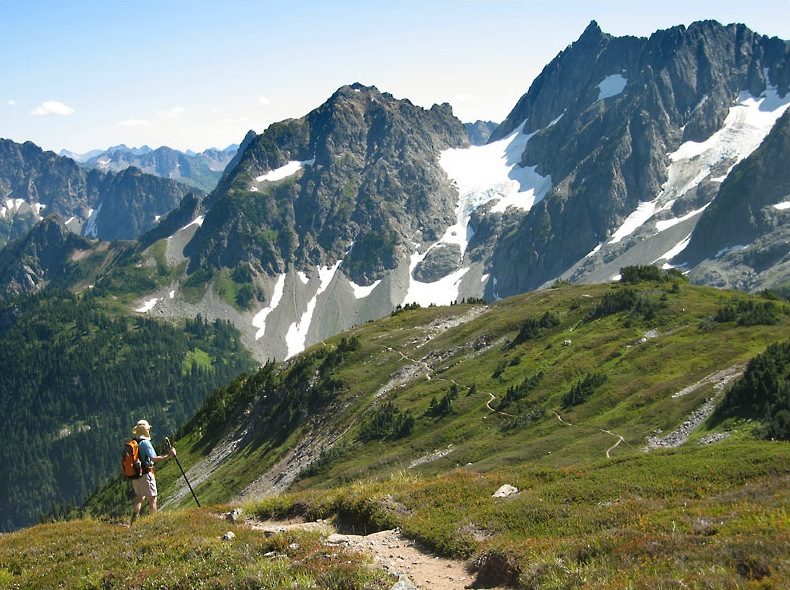 38 mi National ParkNorth Cascades National Park47K visitors a year
 17 mi Stadium & arenaAngel of the Winds Arena
 40 mi Zoo & aquariumWoodland Park Zoo
 33 mi LandmarkFort Worden
 24 mi MuseumFlying Heritage Collection
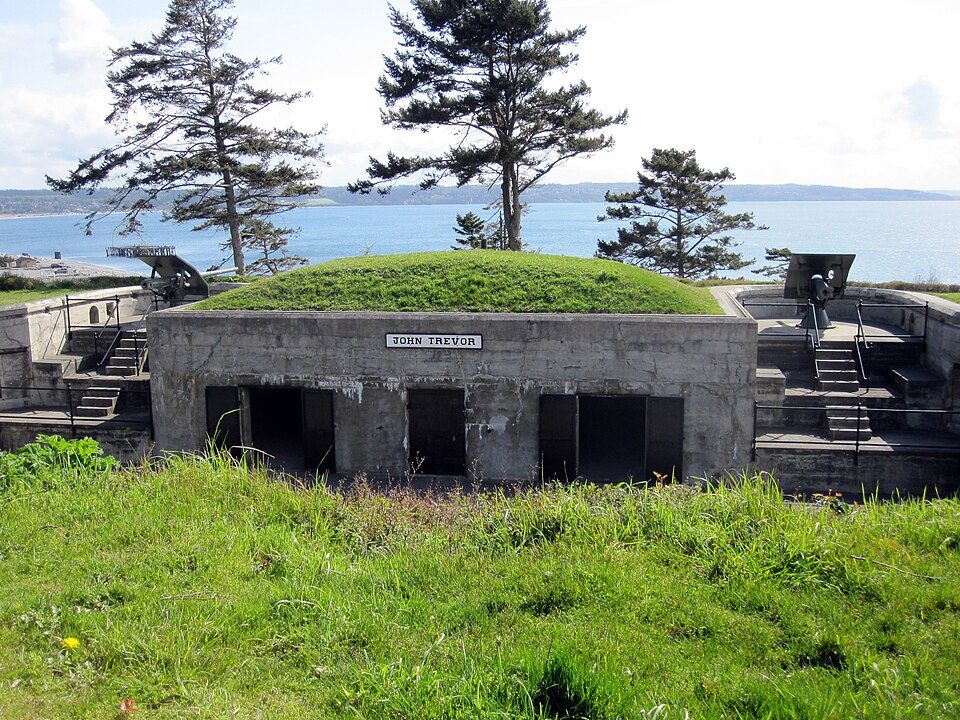 29 mi LandmarkFort Casey
Photo credits
North Cascades National Park: Daniel Hershman, CC BY 2.0 · Angel of the Winds Arena: Joe Mabel, CC BY-SA 3.0 · Woodland Park Zoo: Bernie Ongewe, CC BY-SA 4.0 · Fort Worden: Joe Mabel, CC BY-SA 3.0 · Flying Heritage Collection: nsimpson, CC BY-SA 2.0 · Fort Casey: mikelehen, CC BY 2.0


Everything we know about Arlington Heights
Colleges nearby
None within 15 miles of Arlington Heights; the nearest are
About 2 of every 100 Arlington Heights residents are enrolled in college, against 6 across Washington.
About Arlington Heights
CDP in Washington, United States
Arlington Heights is a census-designated place (CDP) in Snohomish County, Washington, United States. As of the 2020 census, the population was 2,477, up from 2,284 at the 2010 census.
From Wikipedia, licensed CC BY-SA 4.0 · facts via Wikidata (CC0)
- Area
- 8.4 sq mi
- Elevation
- 308 ft
- Area code
- 360
Questions about Arlington Heights
Short answers, built from the data on this page.
Is Arlington Heights, WA a good place to live?
Arlington Heights grades C overall, better than 30% of U.S. towns and #188 of 285 in Washington. It grades B for health and B for schools. Walkability is its weak spot, with a D−.
Is Arlington Heights, WA expensive?
The typical home is worth about $751,000, 28% above the Washington typical home. Cost of living, which also weighs rents, property taxes and how many households pay 30% or more of their income for housing, grades C+.