George Floyd Tuley of Sedalia, Mo., has been mail clerk on the M. K. & T. railroad from Hannibal, Mo. and Dennison, Texas, for over twenty years. He stands high with the Postoffice Department aud receives a top notch salary. He has an interesting family, three grown sons all well educated.
Text read by machine from the scan; it may contain errors.
As the wife of Charles Tuley was a Floyd the record of that family is briefly given in this volume. The ancestors of Col. William Floyd were of Welch parentage, coming to Virginia late in the 17th century, settling on the eastern shore. Col. William Floyd had two brothers, one named John who went north, but if he ever had a family it is not known, and a vounger brolher/Qhailes who went south was the father of John Floyd of Danan, Georgia.
Text read by machine from the scan; it may contain errors.
Scans and text from the Internet Archive. Books published in 1930 or earlier, which are in the public domain.
Timeline
Floyd, 1850 to 1975
Woven from the archive, old maps, post office records, the National Register and the people born here.
4 listings: 3 buildings, among them the Floyd Presbyterian Church (listed 1976, the first), and 1 historic district, the Floyd Historic District, with 164 contributing buildings. 174 historic buildings in all.
Founding dates: Wikidata, Wikipedia, the U.S. post office records of Blevins & Helbock (CC0) and the Census. Homes by year built: Census ACS 2020–24. National Register of Historic Places: National Park Service (list of May 22, 2026). Old photos, postcards and papers: Wikimedia Commons, the Library of Congress and other public archives, credited on each item’s page. Maps: U.S. Geological Survey historical topographic maps (via Esri) and Sanborn fire-insurance maps (Library of Congress). History text and census tables: Wikipedia (CC BY-SA 4.0). Places that used to be: USGS Geographic Names Information System (2021). How TownRatings grades history →
From Wikimedia Commons (6), the National Register of Historic Places (4), Wikipedia, Wikidata and Wikipedia for famous people, U.S. Geological Survey historical maps, U.S. Census counts (via Wikipedia), the USGS Geographic Names Information System and old county and town histories (Internet Archive). Archive images are copied here with their credits and licenses, shown on each photo’s page. Refreshed monthly.


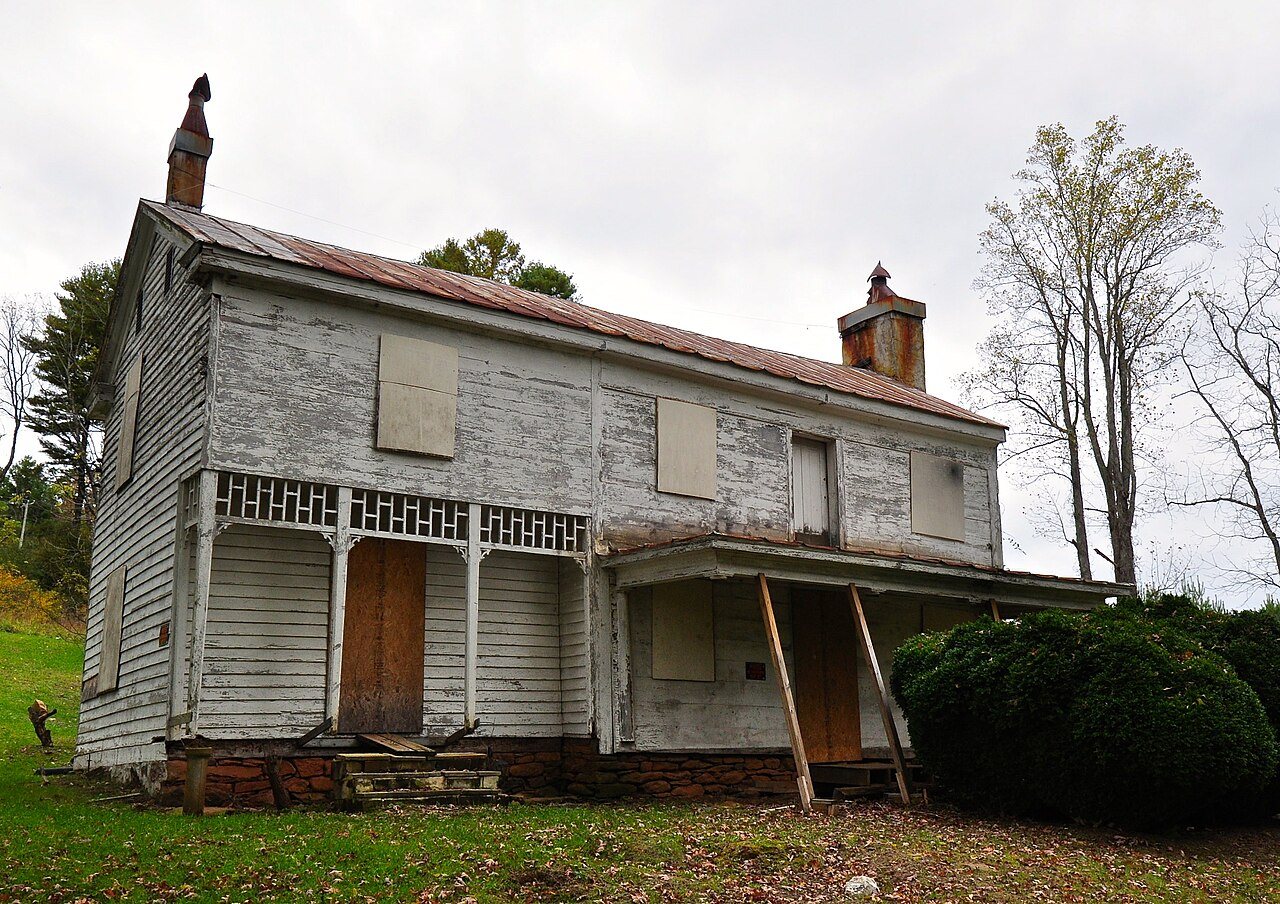




 2016
 2014
 2013
 2013
 2013
 2009


