Wharton dates to 1846, and 32 of its places are on the National Register
More historic than 72% of U.S. towns · #49 of 642 in Texas. What drives it
Most of Wharton was built recently: 2% of its homes predate 1940 and the median home dates from 1977. 32 places in town are on the National Register, among them three historic districts with 68 buildings between them. Below: 1 old photo or paper, maps from 1894 on, and the census since 1910.
Founding year: Wikidata. First post office: 1847.The full story ↓
History grade
What drives Wharton’s History grade
On its age, its old homes and the National Register, Wharton is more historic than 72% of U.S. towns, #49 of 642 in Texas. Its National Register listings hold the grade up; its share of homes from before 1940 pulls it down.
B+
HistoryA character grade: shown, never part of Wharton’s overall grade.
Few Texas towns list much on the Register (a typical Texas town has 0.0 per 10,000 residents, the U.S. 2.4), so Wharton’s 122 sits above most of its state (96% of Texas towns have fewer) while its 106 historic buildings outnumber those of 90% of U.S. towns.
How sure. Graded on any two of the three inputs instead, the letter would range from C+ to A. The pre-1940 share (±2.1 points) is firm at this size. Two sources give 1846.
Founding year: Wikidata (other dates in Quick answers). Homes: Census ACS 2020–24. National Register: National Park Service, May 2026 list; each listing counted once (boundary changes and added documentation belong to their listing), and a historic district counts its contributing buildings. How TownRatings grades history →
What stands out about Wharton’s past
Read from the archive, the National Register and the record. The page puts what stands out first.
The area now known as Wharton was part of the Caney Run mail route established in 1838 by the Republic of Texas. The community was named after two leaders in the Anglo-American struggle for Texas independence, brothers John and William Wharton. What developed as a plantation community along the Colorado River was first settled in 1846 by some of Stephen F. Austin's original colonists. A post office was established the next year.
The first lieutenant governor of Texas, Albert Horton, was an early settler. Land for the courthouse square was donated by William Kincheloe and surveyed by Virgil Stewart and William J. E. Heard. Early settlers came from across the South: Alabama, Kentucky, Virginia, Georgia, and Mississippi.
Every edition of the U.S. Geological Survey’s map of Wharton. Tap a year, or press play to watch the town change.
1953Wharton sheet · 1:24,000
U.S. Geological Survey historical topographic maps (public domain), via Esri’s collection of the scans. The red ring marks the center of Wharton.
Every building
Wharton, building by building, 1894–1912
Fire insurance maps drew every building, what it was made of and what it was used for, so insurers could price the risk of fire. Pick a year, then a sheet.
1894Sheet 1 of 1
Edition
Sheets
BrickWoodStone
Sanborn Map Company, via the Library of Congress. Editions published in 1930 or earlier, which are in the public domain.
Then & now
Stand where they stood
No then-and-now pairs yet. Take a photo from the same spot as an old one and they appear here side by side.
Retake this viewGalveston Weekly News from May 11, 1858. "$25 Reward, 1858
Find the spot, match the angle, and add your photo. It becomes the first then-and-now pair on Wharton’s page.
Wharton’s post office has been open since 1847. Another post office, Mackay, opened and closed inside today’s town.
Wharton
1847–today
Mackay
1885–1937
18401930today
Hamlets and corners on the map
Mackay
US Post Offices dataset (Blevins & Helbock, CC0). Places and cemeteries from the USGS Geographic Names Information System (2021).
Questions about Wharton’s history
What year was Wharton founded?
In 1846, according to Wikidata. Wharton’s post office opened in 1847, and the census of 1910 counted 1,505 people here.
How does Wharton rank for history?
Wharton is more historic than 72% of U.S. towns, #49 of 642 in Texas. The History grade combines the town’s founding era, the share of homes built before 1940 and its National Register listings. It’s a character grade, so it isn’t part of the overall grade. How it works.
What is on the National Register in Wharton?
32 listings: 27 buildings, 3 historic districts, the Wharton County Courthouse Historic Commercial District, the Linn Street Historic District and the West Milam Street Mercantile Historic District, with 68 contributing buildings, and 2 structures. 106 historic buildings in all.
How old are the homes in Wharton?
2% of Wharton’s homes were built before 1940 (Census estimate, ±2.1 points), against a typical 1.6% for a Texas town; the median home was built in 1977.
Founding dates: Wikidata, Wikipedia, the U.S. post office records of Blevins & Helbock (CC0) and the Census. Homes by year built: Census ACS 2020–24. National Register of Historic Places: National Park Service (list of May 22, 2026). Old photos, postcards and papers: Wikimedia Commons, the Library of Congress and other public archives, credited on each item’s page. Maps: U.S. Geological Survey historical topographic maps (via Esri) and Sanborn fire-insurance maps (Library of Congress). History text and census tables: Wikipedia (CC BY-SA 4.0). Places that used to be: USGS Geographic Names Information System (2021).
From Wikimedia Commons (6), the National Register of Historic Places (32), Wikipedia, Wikidata and Wikipedia for famous people, U.S. Geological Survey historical maps, U.S. Census counts (via Wikipedia), the US Post Offices dataset (Blevins & Helbock), the USGS Geographic Names Information System and Sanborn fire insurance maps (Library of Congress). Archive images are copied here with their credits and licenses, shown on each photo’s page. Refreshed monthly.


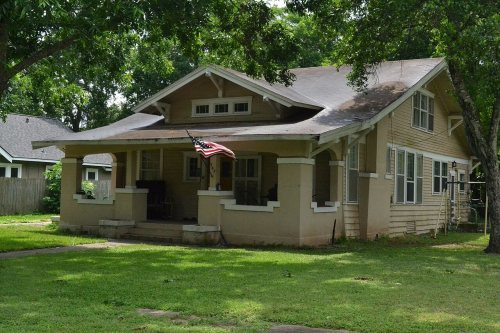


 2011
 2008
 2008
 2008
 2008


