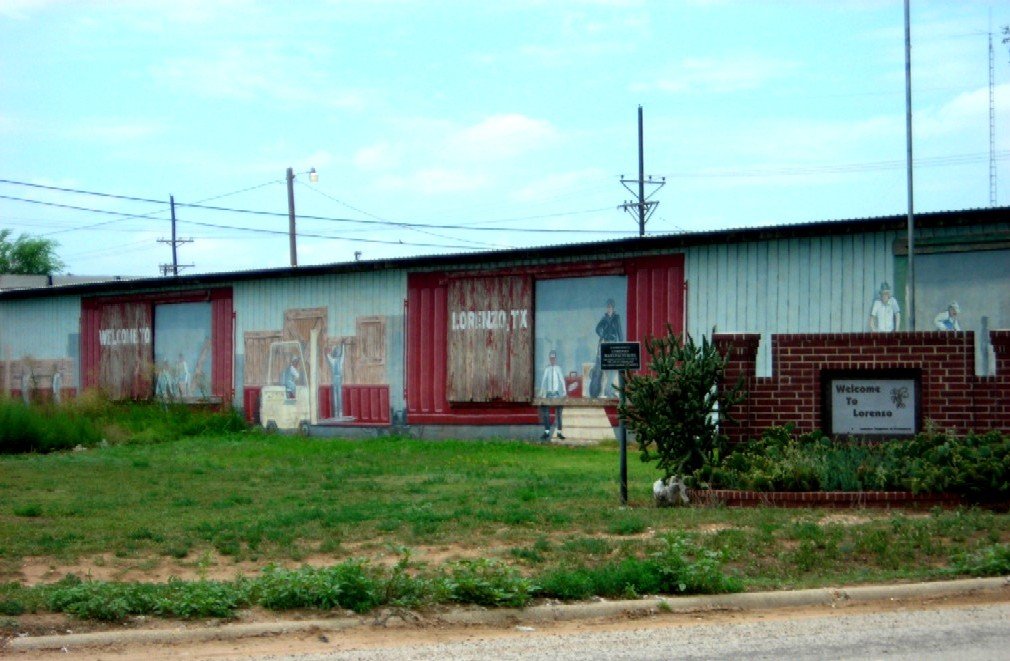
 Photo: Lothar1976 · Public domain
Storms, floods and disasters in Lorenzo
Lorenzo isn’t graded for hazard risk: Lorenzo has 834 residents; we grade towns of 1,000 or more.
What Lorenzo faces
Each hazard’s share of the building damage FEMA expects here, and how its rate compares with the rest of the country.
River and rain flooding
Hail
Strong wind
Tornadoes
Shares are of FEMA’s expected building damage, the measure the grade uses; ranks compare each hazard’s building-damage rate with all 85,154 U.S. census tracts. In FEMA’s terms, river and rain flooding is FEMA’s “Inland Flooding” (rivers and streams overflowing their banks, or rain overwhelming drainage). FEMA defines coastal flooding as high or rising tides and storm surge, so surge damage is counted there. Drought isn’t listed: FEMA counts its losses in crops only.
Does Lorenzo flood? No paid flood claims on record
FEMA’s records show no paid flood insurance claims in Lorenzo. That’s not a promise: most homes don’t carry flood insurance, so small floods go unrecorded.
Lorenzo isn’t in FEMA’s Community Rating System, which cuts flood insurance up to 45% in towns that do extra flood-proofing.
Insurance rates: Crosby County.1 federal disaster brought FEMA money to Lorenzo
Disasters that paid out in Lorenzo itself (aid to households or repair grants to the City of Lorenzo), newest first, with that year’s flood claims.
- 2000Severe Winter Ice Storm$4K to the City of Lorenzo for repairs
Crosby County has had 11 natural disasters declared by the President since 1953, most often severe storms, then winter storms. Not counted: the 2005 Hurricane Katrina evacuee emergency, which covered counties that took in evacuees.
Old photos of Lorenzo after a storm or flood belong in the town’s history. Add one, or share what you remember below.
Add to the Lorenzo archive →Get ready for what Lorenzo faces
A short kit for the hazards that drive the building damage here, what to check before you buy, and where neighbors get alerts.
- Turn around at flooded roads: a foot of moving water can carry off a car.
- Flood insurance usually takes 30 days to start, so buy it before the forecast.
- Keep papers and medicines up high, in a grab-and-go bag.
- Park in a garage or under cover when storms are forecast.
- Stay away from windows while it falls.
- Photograph roof and car damage for your insurer.
- Trim dead limbs over the house and driveway.
- Tie down trash cans and outdoor furniture.
- Stay clear of downed lines and call the utility.
- Pick your spot now: the lowest floor, an inside room, no windows.
- A watch means be ready; a warning means take cover now.
- Keep shoes and a flashlight by the bed.
- Look up the address on FEMA’s flood map.
- Ask the seller or landlord whether it has ever flooded, and what flood insurance costs there.
- Get a flood insurance quote early: policies usually start 30 days after you buy.
Know where neighbors sign up for alerts? Add it to the Handbook so everyone has it.
Questions about natural hazards in Lorenzo
Is Lorenzo in a flood zone?
Flood zones are drawn street by street, so the answer depends on the address: look it up on FEMA’s flood map. In Crosby County, 0.3% of all homes carry federal flood insurance.
How much is flood insurance in Lorenzo?
FEMA’s Community Rating System list shows no discount for Lorenzo’s flood program. Premiums depend on the building; policies usually start 30 days after you buy, so get a quote early.
What was the biggest storm in Lorenzo?
By FEMA money that reached Lorenzo, Severe Winter Ice Storm (2000): $4K to the City of Lorenzo for repairs.
Storm stories
Memories, warnings and help from neighbors in Lorenzo.
Sources: FEMA National Risk Index v1.20 (December 2025), census-tract table, combined by where Lorenzo’s residents lived in the 2020 census; OpenFEMA: NFIP redacted claims, multiple-loss properties, community status book and residential penetration rates, housing assistance (owners and renters), public assistance funded projects, hazard mitigation properties and disaster declarations. Homes: Census ACS 2020–24. Preparedness tips: Ready.gov. FEMA’s model is an average of expected damage, not a forecast. How hazard risk is graded.