
Welcome to, 2001
Banks’s story
124 years in pictures
Census counts: 209 in 1930, 1,837 in 2020. The archive holds 9 old photos and papers going back to 2001 and 3 maps from 1941 on.
- 1902Banks is settled
Each edition grades its towns against each other only.

A town of 1,821, settled in 1902.
The best of Banks’ subject grades are an A− for safety, health, and the outdoors; the weakest is a D for cost of living. 6.2% of residents are 65 or older in Banks, against 18% in Oregon’s towns and 18% across U.S. towns. No town in Oregon scores higher than Banks on safety. 47% of the land in Banks is conserved, above both the Oregon town median (4.4%) and the median of U.S. towns (4.3%). Banks has fewer than 2,500 residents, so it gets subject grades but no overall grade.
Where Banks beats most towns.
| Widest gap | Banks | OR |
|---|---|---|
| Fewer adults with heart disease | 3.7% | 6.5% |
Where Banks’s working residents go each day. Line width shows the share.
Census LEHD 2023
Each subject compared with towns across the country (schools within Oregon), ordered by how far Banks is from typical.
How TownRatings grades towns →
Census counts: 209 in 1930, 1,837 in 2020. The archive holds 9 old photos and papers going back to 2001 and 3 maps from 1941 on.
Museums, parks, gardens and other places to visit around Banks. Close and well known come first.
 22 mi Stadium & arenaModa Center
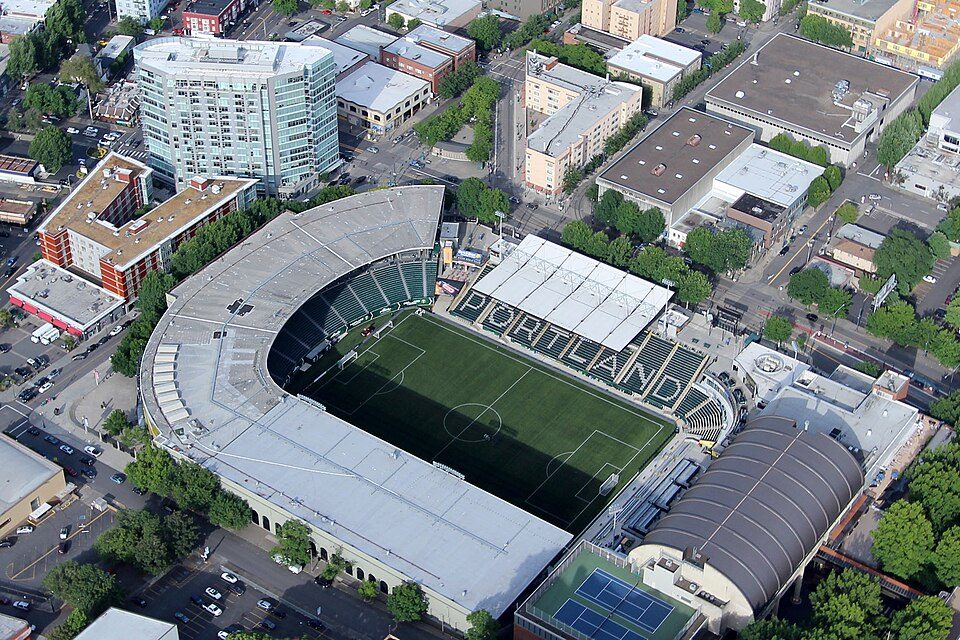 21 mi Stadium & arenaProvidence Park
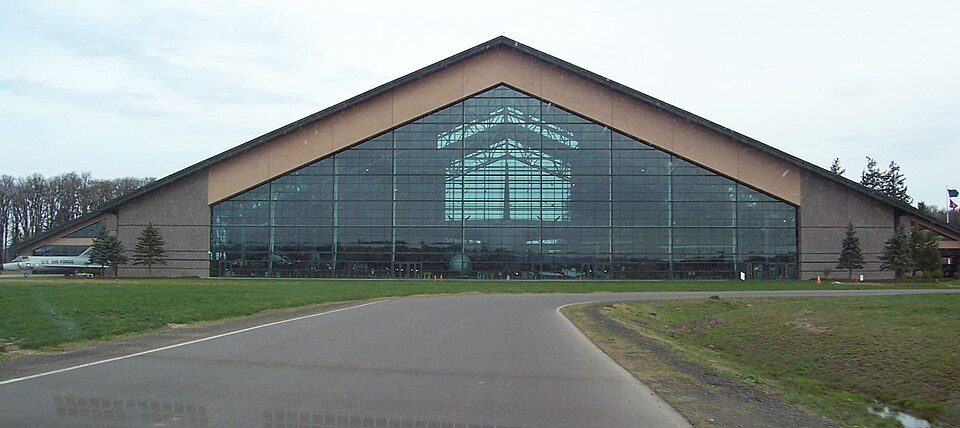 29 mi MuseumEvergreen Aviation & Space Museum
 19 mi City parkForest Park
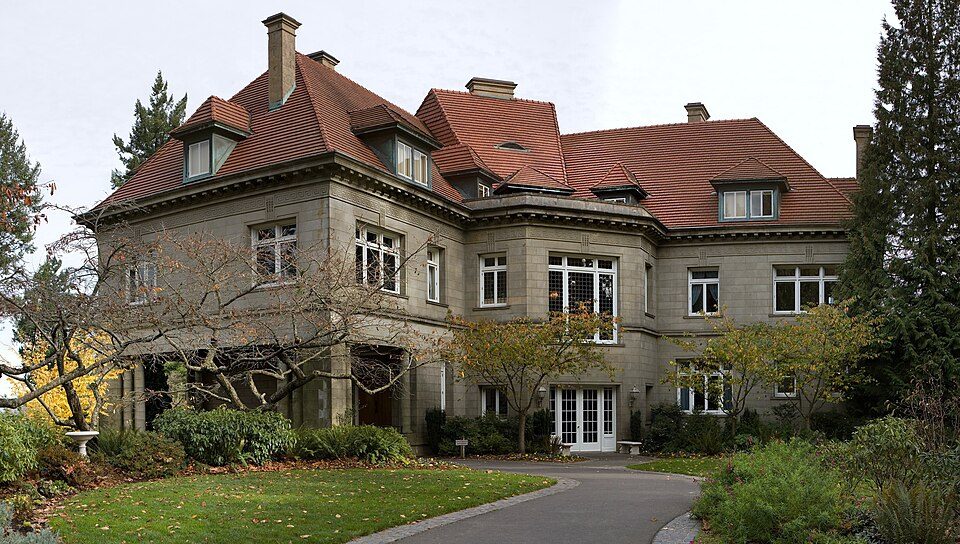 20 mi MuseumPittock Mansion
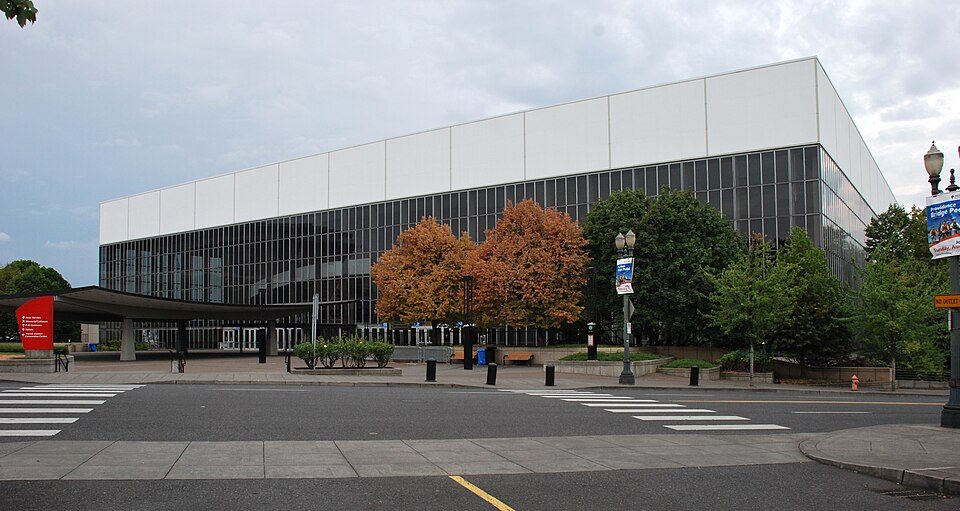 22 mi Stadium & arenaVeterans Memorial Coliseum
Moda Center: Lugnuts, CC BY-SA 3.0 · Providence Park: Pdx.rollingthunder, CC BY-SA 4.0 · Evergreen Aviation & Space Museum: Notkeel at English Wikipedia, Public domain · Forest Park: EncMstr, CC BY-SA 3.0 · Pittock Mansion: PittockBack.jpg: Cacophony derivative work: Tiptoety talk, CC BY-SA 3.0 · Veterans Memorial Coliseum: Steve Morgan, CC BY-SA 3.0
Who provides power, water and the rest in Banks, and how to reach them.
EPA SDWIS (Oct 9, 2026) · HIFLD + EIA-861 2025 · Census 2020 ZCTAs · NCES 2024–25 · registration: vote.gov, updated Oct 2, 2026.
Ordered by what stands out in Banks.
There are 0.3 miles of trail across 1 park or preserve. In Banks, the trail density is 0.4 miles per square mile. One park or preserve covers 6 acres here.
| Biggest places to walk | Trails | Acres |
|---|---|---|
| 1. Arbor Park | 0.3 mi | 6 |
Trails & parks © OpenStreetMap contributors · Conserved land: USGS PAD-US
Public schools: Banks SD 13. The largest public high school is Banks High School, with 397 students. Below: Two of its 3 schools, each with why it was picked.
| School | Level | Students | Letter |
|---|---|---|---|
| Banks Elementary SchoolLargest public elementary schoolGrades K–5 | Grades K–5 | 430 | C |
| Banks High SchoolLargest public high schoolGrades 9–12 | Grades 9–12 | 397 | B+ |
NCES · EDFacts · graded within OR on state tests and graduation
Banks reports less crime per resident than 80% of the U.S. towns and cities we grade. The violent crime rate for Banks comes to 1.1 per 1,000 residents.
| Banks | Oregon towns | U.S. towns | |
|---|---|---|---|
| Property crimes per 1,000 (2025) | 4.4 per 1,000 residents | 15.2 | 9.9 |
| Violent crimes per 1,000 (2025) | 1.1 per 1,000 residents | 2.1 | 1.6 |
FBI crime data, 2025 · crimes reported to police
Nearly a fifth of Banks adults report frequent mental distress. No town among the 143 in Oregon we compare has a lower share of adults who have diabetes than Banks. On the CDC’s 26 measures, Banks is ahead of Oregon on 13 and behind on 2. Also worth knowing: among 143 Oregon towns, just 8 have a lower share of adults who get no exercise outside work than Banks.
| Banks | Oregon towns | U.S. towns | |
|---|---|---|---|
| Yearly checkup (CDC PLACES) | 67% | 72% | 79% |
| High blood pressure (CDC PLACES) | 25% | 33% | 35% |
| Diabetes (CDC PLACES) | 7.5% | 11% | 12% |
| Get no exercise (CDC PLACES) | 15% | 21% | 25% |
| What stands out | Banks | OR |
|---|---|---|
| Fewer adults with heart disease | 3.7% | 6.5% |
| Fewer adults who have had a stroke | 2% | 3.3% |
| Fewer adults treating high blood pressure | 61% | 71.4% |
CDC PLACES 2025 · modeled estimates for adults · CMS · HRSA
The top destinations are Hillsboro (25%), Portland (16%) and Beaverton (6%). Just 5% of Banks’s working residents have a job in town. Banks’ mean commuting time is 26 minutes. Half the trips to work are shorter than 15 miles.
| Banks | Oregon towns | U.S. towns | |
|---|---|---|---|
| Average trip to work | 26 minutes | 23 minutes | 25 minutes |
| Working residents who work in town | 4.9% | 9.8% | 8% |
| Work from home | 14% | 14% | 11% |
| Median household income | $86,000 | $81,000 | $80,000 |
Census LEHD 2023 · ACS
The share of adults 25 and older in Banks who hold a bachelor’s degree or more: 35%. People 65 and older are 6% of residents (19% statewide); children under 18 are 29% of residents (20% statewide). For Banks, the midpoint age is 34.3 years. Only 8 of the 143 Oregon towns we compare have a higher share of children under 18 than Banks.
| Banks | Oregon towns | U.S. towns | |
|---|---|---|---|
| Under 18 | 29% | 21% | 22% |
| Median age | 34.3 years | 39.4 years | 40.5 years |
| Bachelor’s degree or more, 25+ | 35% | 27% | 29% |
56% women, 44% men
That’s an even split within the survey’s margin of ±6.4 points. Across Oregon, 50.1% of residents are women.
| Banks | OR | U.S. | |
|---|---|---|---|
| Under 10 | 15.9% | 10.3% | 11.6% |
| 10 to 17 | 13.4% | 9.6% | 10.3% |
| 18 to 24 | 9.9% | 8.5% | 9.1% |
| 25 to 34 | 12.1% | 14% | 13.7% |
| 35 to 44 | 18.7% | 14.1% | 13.2% |
| 45 to 54 | 10% | 12.3% | 12.2% |
| 55 to 64 | 13.9% | 12.2% | 12.7% |
| 65 to 74 | 4.1% | 11.5% | 10.2% |
| 75 and older | 2.1% | 7.6% | 7% |
| No diploma | 3.6% | 8.2% | 10.4% |
| High school | 24.4% | 22.4% | 26% |
| Some college | 26.4% | 23.5% | 19.1% |
| Associate’s | 10.4% | 9.1% | 8.8% |
| Bachelor’s | 19.5% | 22.7% | 21.6% |
| Graduate | 15.8% | 14.1% | 14.1% |
U.S. Census Bureau · ACS 2020-2024 5-year estimates · in a town of 1,800, single groups can be off by several points
The FEMA hazard score in Banks is 74 of 100. Nearly three fifths of the town’s expected losses from natural hazards come from inland flooding, followed by earthquakes at 32%. Households here have drawn federal disaster aid in 2 declared disasters, most recently in 2008.
FEMA disaster declarations and aid · FEMA National Risk Index · OpenFEMA
Banks’ rent at the middle of the market stands at $1,740 a month. 73% of households are owner-occupiers here.
| Banks | Oregon towns | U.S. towns | |
|---|---|---|---|
| Median rent | $1,740 a month | $1,414 a month | $1,185 a month |
| Households that own their home | 73% | 65% | 73% |
Census ACS, 2020–24 · Zillow Home Value Index · Redfin Data Center
Banks’ typical July afternoon high comes in at 81°F.
NOAA U.S. Climate Normals, 1991–2020
1 within 15 miles of the center of Banks
About 4 of every 100 Banks residents are enrolled in college, against 6 across Oregon.
City in Oregon, United States
Banks is a city in Washington County, Oregon, United States, which is located in the Tualatin Valley. It is the southern anchor to the Banks–Vernonia State Trail, which is a 21-mile-long (34 km) linear trail popular with bicyclists, hikers, and equestrians. The population was 1,837 at the 2020 census. The community was named for John and Nancy Banks, who owned a nearby dairy farm. Incorporated in 1921, it is located in the western part of the county where Oregon Route 6 intersects Oregon Route 47.
From Wikipedia, licensed CC BY-SA 4.0 · facts via Wikidata (CC0)
Short answers, built from the data on this page.
Yes. That is 6.4 years of the area's median household income ($97,436 across the Portland-Vancouver-Hillsboro, OR-WA metro area). Cost of living, which also weighs rents, property taxes and how many households pay 30% or more of their income for housing, grades D.


