Lourdes University
Lourdes University is a private nonprofit university in Sylvania, OH, with about 885 students on campus.






How hard is it to get into Lourdes University?
of applicants admitted
About 15 of every 20 applicants get in.
Test scores of admitted students
No SAT or ACT ranges reported. Lourdes University is likely test-optional.
The sticker price, and what families really pay
Sticker price: $45,378 a year
Before any grants
After grants, the average family on aid pays $23,206.
Your family’s price
Average net price after grants, by family income
About $92,768 over 4 years · 49% off the sticker price
Do students finish, and does it pay off?
Debt vs. the paycheck
The typical loan payment as a share of a typical graduate’s monthly pay six years after starting
$286 a month against about $3,347 a month in pay.
Paying back loans
Federal student loans, this college
of borrowers paid down at least some of their loan within three years, more than at 28% of U.S. colleges.
Almost none defaulted within three years (payments on federal loans were paused from 2020 to 2023, so recent default rates are near zero everywhere).
Earnings by family background
Median earnings 10 years after starting, by family income at enrollment
What students study, and what it pays
Share of degrees by field
Bachelor’s programs with the most graduates
And their graduates’ median earnings four years later (one year where that’s all that’s reported).
The students
543 degree-seeking undergraduates.
By race and ethnicity
Women and men
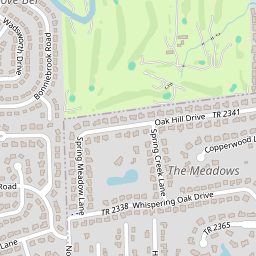
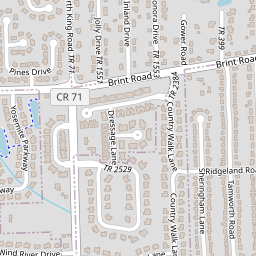
Living in Sylvania
5% of Sylvania’s 18,883 residents are enrolled in college. What the town is like, from TownRatings’ Sylvania pages.
Other colleges within 30 miles
Straight-line distances from Lourdes University; colleges with 100 or more students on campus.
Ask around
Students, parents, alumni and the neighbors next door.
Sources: U.S. Department of Education College Scorecard (institution and field-of-study files) and IPEDS (Scorecard 06/10/2026 · IPEDS 2024 · fall 2023); town figures from the Census American Community Survey and NOAA climate normals. Graduation rates count first-time, full-time students; earnings and debt are for students who received federal aid. Distances are straight-line. Colleges are described, not graded (how TownRatings describes colleges). Map © OpenStreetMap contributors.