189 years in pictures
Census counts: 13,319 in 1960, 19,950 in 2020. The archive holds 6 old photos and papers going back to 1894 and 5 maps from 1900 on.
1 place on the National Register of Historic Places.
- 1837Oregon is settled
Each edition grades its towns against each other only.

Oregon grades B− overall, 649th of 987 graded towns in Ohio, with clear strengths and some subjects that lag. Natural-hazard risk is low and it has 26 miles of trail. On the other side, it reports more crime per resident than 87% of U.S. towns, including 45 violent crimes reported to the FBI in 2025. Oregon’s property crime rate is 31.4 per 1,000 residents, where Ohio’s towns sit at 9.4 and U.S. towns at 9.9. Maumee Bay State Park, at 697 acres with 13.3 miles of trail, is the biggest park or preserve.
Where Oregon beats most towns.
Each subject compared with towns across the country (schools within Ohio), ordered by how far Oregon is from typical.
How TownRatings grades towns →
Census counts: 13,319 in 1960, 19,950 in 2020. The archive holds 6 old photos and papers going back to 1894 and 5 maps from 1900 on.
1 place on the National Register of Historic Places.
Who provides power, water and the rest in Oregon, and how to reach them.
EPA SDWIS (Oct 9, 2026) · HIFLD + EIA-861 2025 · Census 2020 ZCTAs · NCES 2024–25 · registration: vote.gov, updated Aug 3, 2026.
Ordered by what stands out in Oregon.
Oregon reports property crime at about twice the Ohio rate, but it has a long record of flood insurance claims.
27 miles of trail in 2 parks and preserves. The trail density in Oregon is 0.9 miles per square mile.
| Oregon | Ohio towns | U.S. towns | |
|---|---|---|---|
| Miles of trail per square mile | 0.9 miles per square mile | 0.2 | 0.4 |
| Conserved land | 8.2% | 3.7% | 4.3% |
| Biggest places to walk | Trails | Acres |
|---|---|---|
| 1. Maumee Bay State Park | 13.3 mi | 697 |
| 2. Pearson Metropark | 8.6 mi | 642 |
Trails & parks © OpenStreetMap contributors · Conserved land: USGS PAD-US
Its public schools are run by the Oregon City school district. Two of its 6 schools are below, each with why it’s listed. The largest public high school is Clay High School, with 1,107 students.
| School | Level | Students | Letter |
|---|---|---|---|
| Fassett Junior High SchoolLargest public middle schoolGrades 7–8 | Grades 7–8 | 473 | C+ |
| Clay High SchoolLargest public high schoolGrades 9–12 | Grades 9–12 | 1,107 | C+ |
NCES · EDFacts · graded within OH on state tests and graduation
Property crime runs at 31.4 per 1,000 residents, about twice the Ohio rate, most of it theft.
Oregon reports more crime per resident than most U.S. towns we grade: about 87% report less. Oregon’s violent crime rate is 2.3 per 1,000 residents.
FBI crime data, 2025 · crimes reported to police
128 flood insurance claims have been filed here, and 13 properties have flooded more than once.
Expected storm and flood damage is lower than in 84% of U.S. communities. Since 1978, 128 flood insurance claims have been paid out in Oregon.
FEMA flood insurance claims · FEMA National Risk Index · OpenFEMA
Oregon has chilly, snowy winters and warm summers. July afternoons reach 85°, January nights drop to 21° and about 37 inches of snow falls in a winter.
NOAA U.S. Climate Normals, 1991–2020
Most working residents leave Oregon for work: only 14% work in town. Since 2013, Oregon has lost 1,970 jobs, to 7,929 in 2023. 4.6% of workers work from home in Oregon.
| Oregon | Ohio towns | U.S. towns | |
|---|---|---|---|
| Average trip to work | 20 minutes | 24 minutes | 25 minutes |
| Work from home | 4.6% | 9.7% | 11% |
| Working residents who work in town | 14% | 6.8% | 8% |
| Median household income | $82,000 | $75,000 | $80,000 |
Census LEHD 2023 · ACS
People 65 and older are 23% of residents (18% statewide); adults 18 to 34 are 18% of residents (22% statewide). 25% of adults 25 and older have a bachelor’s degree or more, vs 32% across Ohio.
| Oregon | Ohio towns | U.S. towns | |
|---|---|---|---|
| Median age | 45.1 years | 41.7 years | 40.5 years |
| Aged 65 or older | 23% | 20% | 18% |
| Under 18 | 21% | 22% | 22% |
54% women, 46% men
About 84 men for every 100 women (the survey’s margin: ±2.1 points). Across Ohio, 50.7% of residents are women. Median age: women 44.4, men 45.9.
| Oregon | OH | U.S. | |
|---|---|---|---|
| Under 10 | 8.5% | 11.7% | 11.6% |
| 10 to 17 | 12% | 10.3% | 10.3% |
| 18 to 24 | 8.2% | 8.9% | 9.1% |
| 25 to 34 | 9.9% | 13.2% | 13.7% |
| 35 to 44 | 11.3% | 12.5% | 13.2% |
| 45 to 54 | 12.4% | 12% | 12.2% |
| 55 to 64 | 15.1% | 13.2% | 12.7% |
| 65 to 74 | 12.3% | 10.9% | 10.2% |
| 75 and older | 10.3% | 7.3% | 7% |
| No diploma | 7.5% | 8.2% | 10.4% |
| High school | 38.7% | 32.1% | 26% |
| Some college | 17.3% | 19.3% | 19.1% |
| Associate’s | 11.2% | 9% | 8.8% |
| Bachelor’s | 16.7% | 19.3% | 21.6% |
| Graduate | 8.6% | 12.2% | 14.1% |
U.S. Census Bureau · ACS 2020-2024 5-year estimates
The typical Oregon home is worth about $229,000, up 3.9% in a year, 7% below the Ohio typical home.
| Oregon | Ohio towns | U.S. towns | |
|---|---|---|---|
| Median rent | $900 a month | $944 a month | $1,185 a month |
| Households that own their home | 75% | 77% | 73% |
Zillow Home Value Index · Redfin Data Center
Oregon beats the Ohio average on 8 of 32 CDC measures and trails it on 1. 33% of Oregon adults have obesity.
| Oregon | Ohio towns | U.S. towns | |
|---|---|---|---|
| Obesity (CDC PLACES) | 33% | 38% | 35% |
| Feel lonely (CDC PLACES) | 35% | 34% | 33% |
| Yearly checkup (CDC PLACES) | 81% | 80% | 79% |
| Depression (CDC PLACES) | 26% | 26% | 23% |
| What stands out | Oregon | OH |
|---|---|---|
| Fewer adults facing a utility shut-off | 6.7% | 8.3% |
| Fewer adults facing food insecurity | 11.6% | 14.1% |
| More adults who have had cancer | 10% | 8.7% |
CDC PLACES 2025 · modeled estimates for adults · CMS · HRSA
Museums, parks, gardens and other places to visit around Oregon. Close and well known come first.
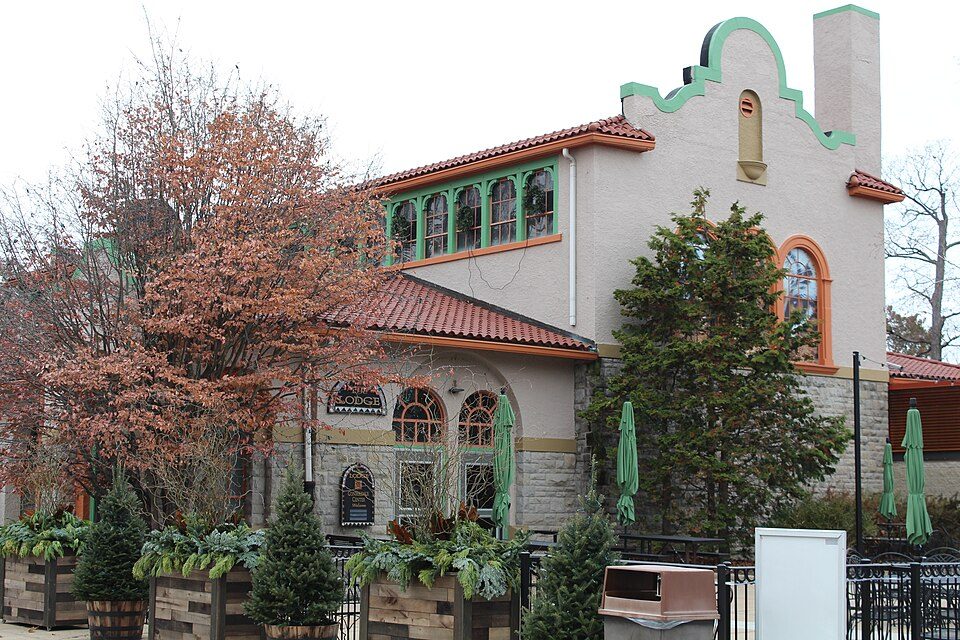
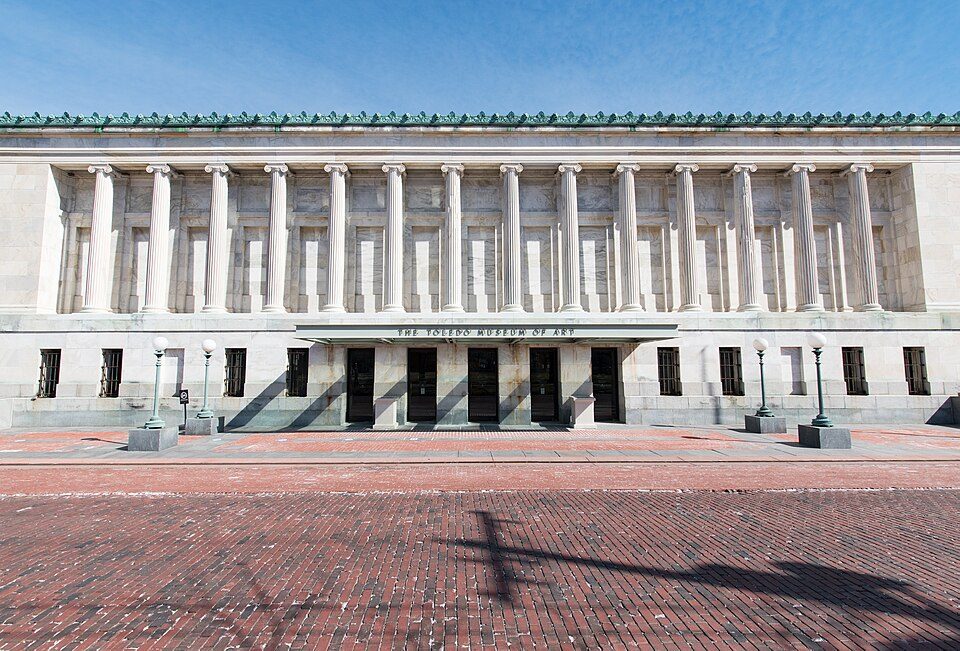
6 mi MuseumToledo Museum of Art340K visitors a year
8 mi Zoo & aquariumToledo Zoo
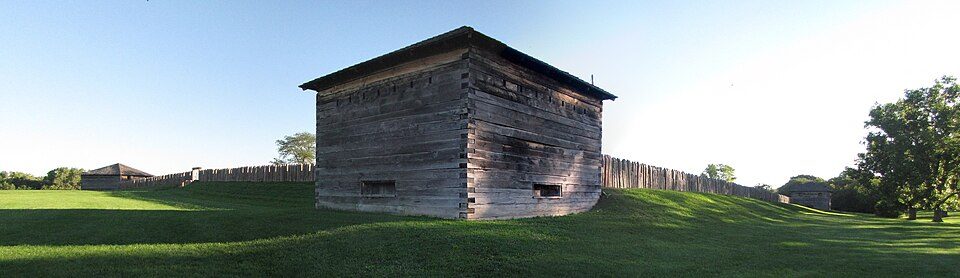
13 mi LandmarkFort Meigs
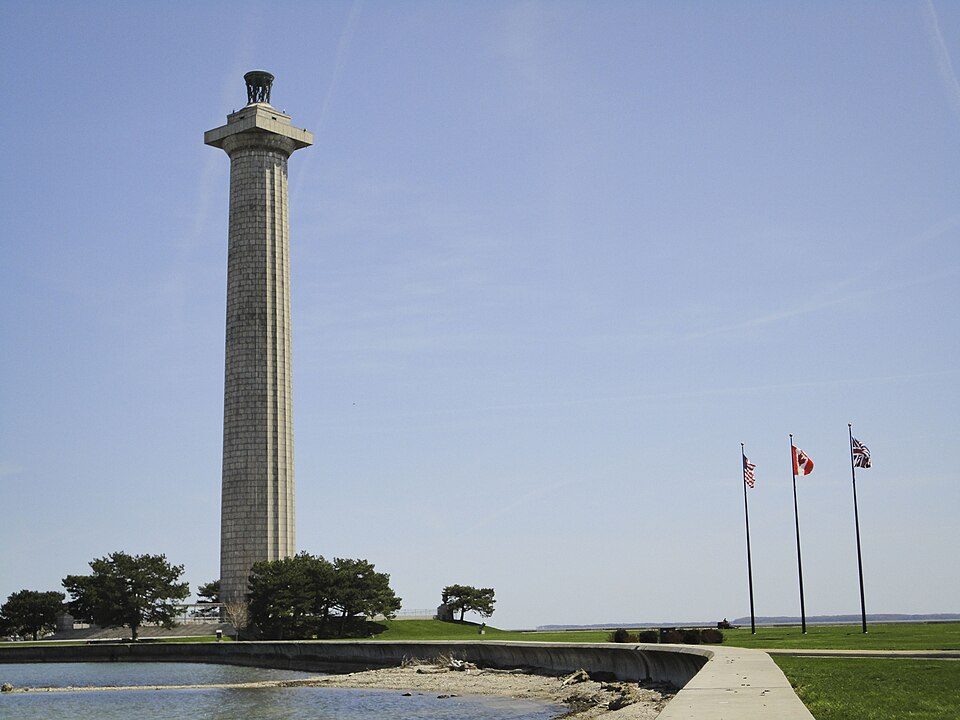
32 mi National MemorialPerry's Victory and International Peace Memorial124K visitors a year
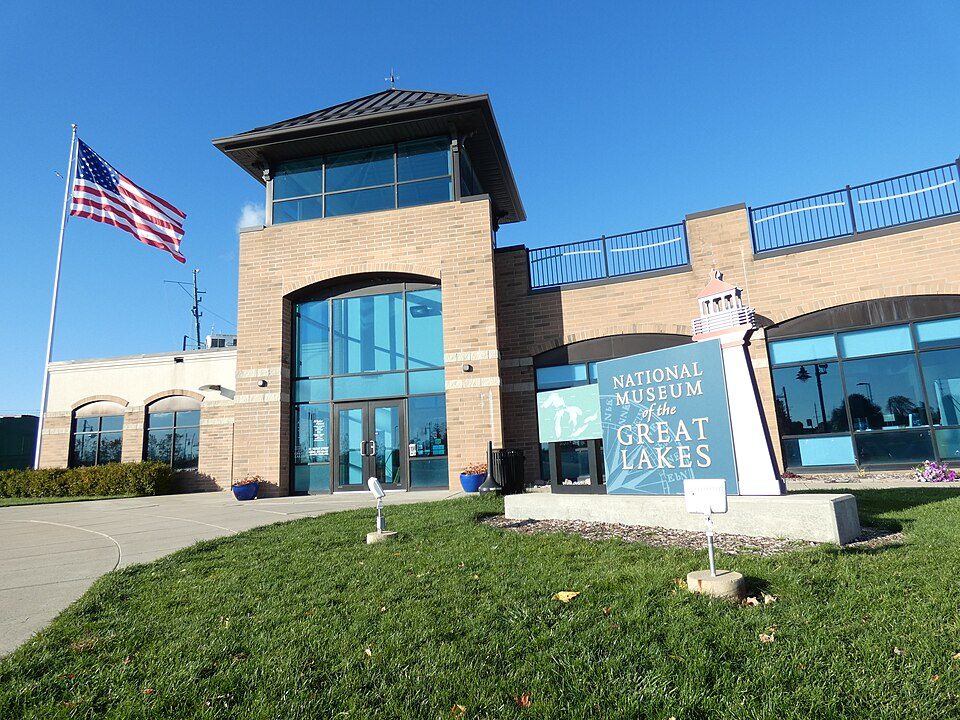
4 mi MuseumNational Museum of the Great Lakes
5 mi MuseumImagination StationToledo Museum of Art: Ɱ, CC BY-SA 4.0 · Toledo Zoo: DreamingKoala, CC BY-SA 4.0 · Fort Meigs: Traveler100, CC BY-SA 4.0 · Perry's Victory and International Peace Memorial: NPS Photo, Public domain · National Museum of the Great Lakes: MrJacon000, CC BY-SA 4.0 · Imagination Station: MrJacon000, CC BY-SA 4.0
6 within 15 miles of the center of Oregon
About 4 of every 100 Oregon residents are enrolled in college, against 6 across Ohio.
City in Lucas County, Ohio
Oregon ( ORR-ih-gon) is a city in Lucas County, Ohio, United States. Located on Lake Erie, it is a suburb of Toledo lying east of the city and is home to Maumee Bay State Park. The population was 19,950 at the 2020 census.
From Wikipedia, licensed CC BY-SA 4.0 · facts via Wikidata (CC0)
7 towns share a border with Oregon.
| Town | OH rank | Overall | Cost | Safety | Schools | Health |
|---|---|---|---|---|---|---|
| Oregon | #649 | B− | B− | D | B | B− |
| Washington Township | #576 | B− | B+ | — | C+ | C− |
| Toledo | #969 | D | B+ | D− | C | D |
| Jerusalem Township | #608 | B− | B− | — | B | B− |
| Northwood | #470 | B | B | — | B | B− |
| Harbor View | — | — | — | — | — | — |
| Curtice | — | — | C | — | B+ | B− |
| Allen Township | #215 | A− | B+ | — | A− | B− |
Curtice has fewer than 2,500 residents, so it gets subject grades but no overall grade. Washington Township, Jerusalem Township, Northwood, Curtice and Allen Township report no FBI crime data of their own. Harbor View isn’t graded (fewer than 1,000 residents, or not enough data). Compare Oregon with a neighbor →
Short answers, built from the data on this page.
Oregon grades B− overall, better than 45% of U.S. towns and #649 of 987 in Ohio. It grades B− for health, D for safety and B for schools. Safety is its weak spot, with a D.
That is 3.5 years of the area's median household income ($65,486 across the Toledo, OH metro area). Cost of living, which also weighs rents, property taxes and how many households pay 30% or more of their income for housing, grades B−.