
Mapleton Local School District Campus, 2013
Orange Township’s story
Orange Township in pictures
The archive holds 7 old photos and papers going back to 2007 and 3 maps from 1908 on.
Explore the history →Each edition grades its towns against each other only.

A town of 2,580.
Orange Township gives you more for your money than most places: homes are within reach, about $187K for a typical one, or 2.7 years of the Ashland area’s $70K median household income. It grades C+ overall, 670th among Ohio's 987 graded towns. On the plus side, natural-hazard risk is low. Most errands need a car: it is less walkable than 98% of U.S. towns. Among 993 Ohio towns, just 8 have a lower share of working residents who work in town than Orange Township.
Where Orange Township beats most towns.
Where Orange Township’s working residents go each day. Line width shows the share.
Census LEHD 2023
Each subject compared with towns across the country (schools within Ohio), ordered by how far Orange Township is from typical.
Its grades run from A for hazard risk (better than 95% of comparable towns) to D− for walkability (better than 2%), so the C+ overall blends very different results.
How TownRatings grades towns →
The archive holds 7 old photos and papers going back to 2007 and 3 maps from 1908 on.
Explore the history →Who provides power, water and the rest in Orange Township, and how to reach them.
EPA SDWIS (Oct 9, 2026) · HIFLD + EIA-861 2025 · Census 2020 ZCTAs · NCES 2024–25 · registration: vote.gov, updated Aug 3, 2026.
Ordered by what stands out in Orange Township.
Orange Township sends most of its workers to Ashland and beyond, but it trails Montgomery Township and its other neighbors on schools and trails even towns with similar incomes on health.
Expected storm and flood damage is lower than in 90% of U.S. communities.
FEMA National Risk Index · OpenFEMA
Each of its 3 graded neighbors has a higher School Grade than its B−, Montgomery Township highest at A−.
Its public schools are run by the Mapleton Local school district. Two of its 3 schools are below, each with why it’s listed.
| School | Level | Students | Letter |
|---|---|---|---|
| Mapleton Elementary SchoolLargest public elementary schoolGrades PK–5 | Grades PK–5 | 363 | A− |
| Mapleton High SchoolLargest public high schoolGrades 9–12 | Grades 9–12 | 202 | C+ |
NCES · EDFacts · graded within OH on state tests and graduation
Orange Township has 189 jobs for its 1,032 working residents: even if every job went to a resident, most would still commute out.
Most working residents leave Orange Township for work: only 0% work in town. 20% of residents live below the poverty line in Orange Township, above both Ohio’s towns (9.1%) and U.S. towns (9.6%). Jobs based in Orange Township grew to 189 in 2023, 47 more than in 2013.
| Orange Township | Ohio towns | U.S. towns | |
|---|---|---|---|
| Below the poverty line | 20% | 9.1% | 9.6% |
| Average trip to work | 22 minutes | 24 minutes | 25 minutes |
| Median household income | $91,000 | $75,000 | $80,000 |
Census LEHD 2023 · ACS
Against the 9,830 U.S. towns with household incomes like Orange Township’s, it is less healthy than 91%, so it trails even them.
Orange Township beats the Ohio average on 0 of 32 CDC measures and trails it on 3. 34% of adults sleep under 7 hours in Orange Township, against 38% in Ohio’s towns and 36% across U.S. towns. 40% of adults have high blood pressure in Orange Township.
| Orange Township | Ohio towns | U.S. towns | |
|---|---|---|---|
| Sleep under 7 hours (CDC PLACES) | 34% | 38% | 36% |
| High blood pressure (CDC PLACES) | 40% | 38% | 35% |
| Get no exercise (CDC PLACES) | 30% | 28% | 25% |
| Frequent physical distress (CDC PLACES) | 16% | 15% | 14% |
| What stands out | Orange Township | OH |
|---|---|---|
| More adults with COPD | 9.5% | 8% |
| More adults with heart disease | 8.1% | 7.1% |
| More adults who have had cancer | 9.8% | 8.7% |
CDC PLACES 2025 · modeled estimates for adults · CMS · HRSA
Orange Township has chilly, snowy winters and pleasant summers. The July high in Orange Township is 83°F.
NOAA U.S. Climate Normals, 1991–2020
Museums, parks, gardens and other places to visit around Orange Township. Close and well known come first.
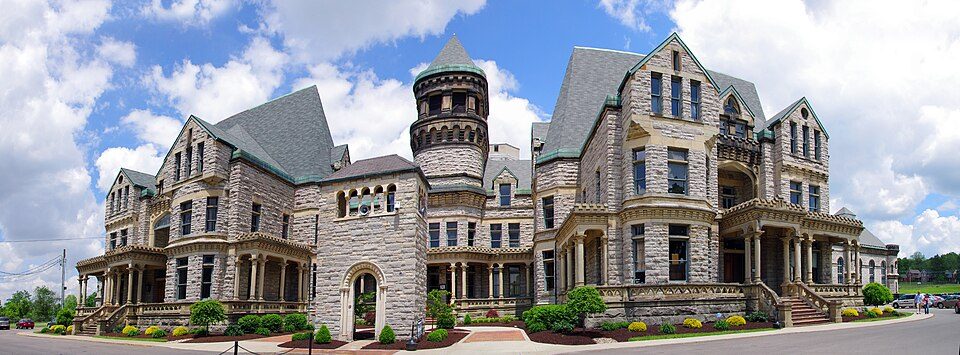 16 mi MuseumOhio State Reformatory
 39 mi National ParkCuyahoga Valley National Park3.0M visitors a year
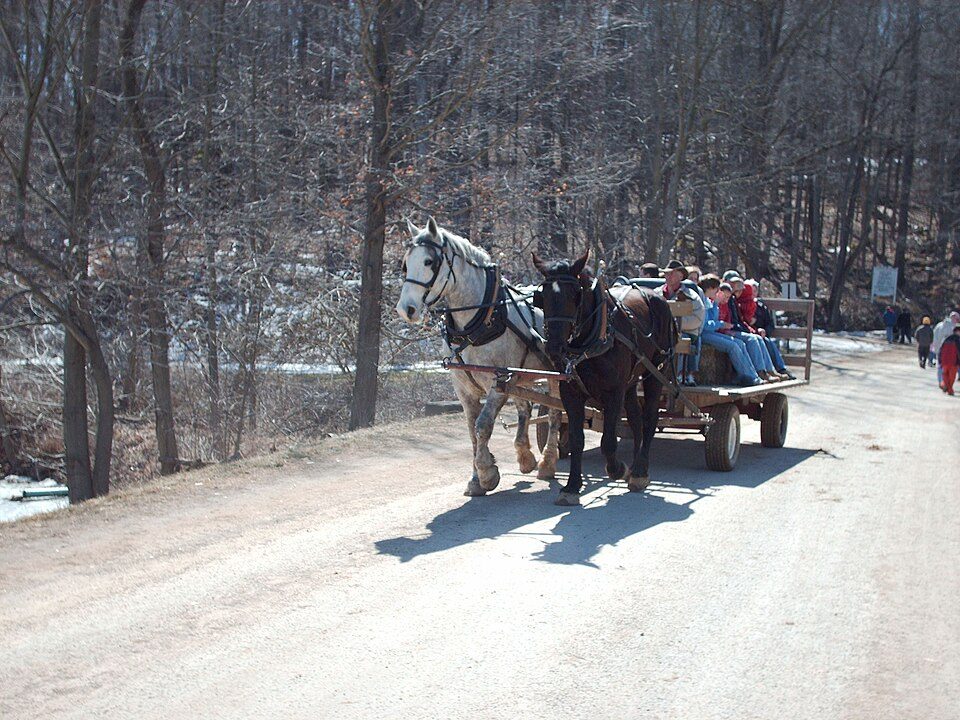 21 mi State parkMalabar Farm State Park
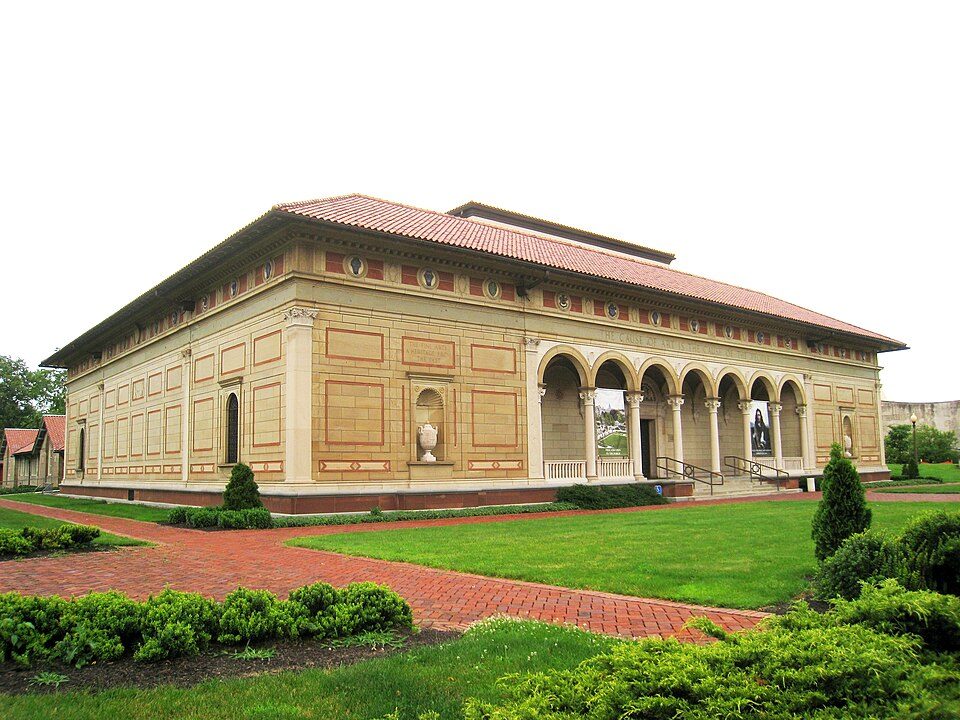 25 mi MuseumAllen Memorial Art Museum
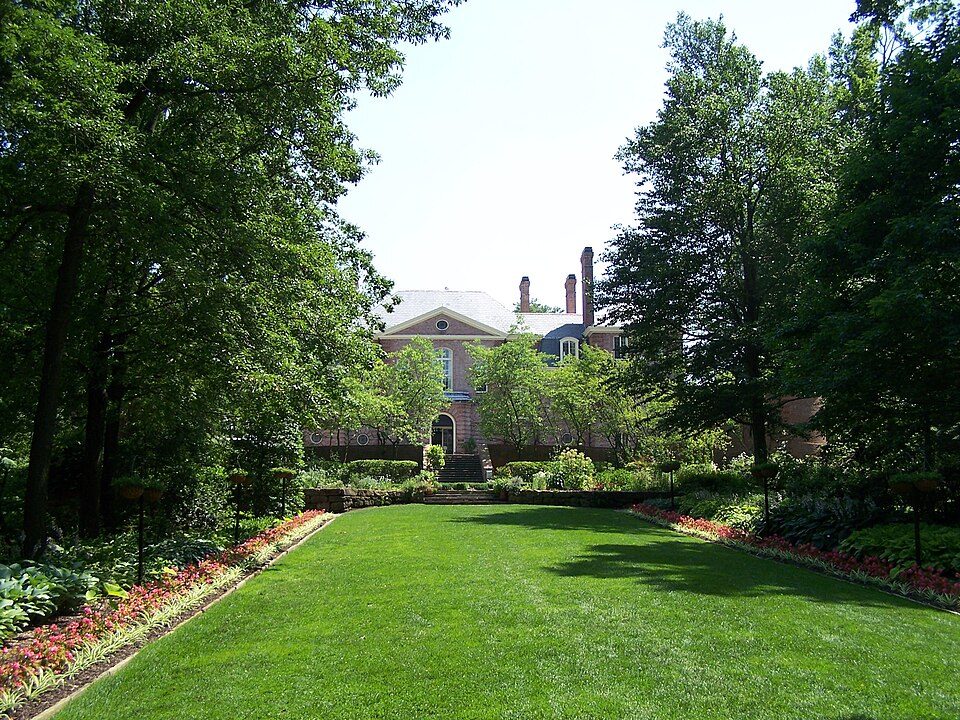 18 mi GardenKingwood Center
 37 mi MuseumAmish & Mennonite Heritage Center
Ohio State Reformatory: Niagara66, CC BY-SA 4.0 · Cuyahoga Valley National Park: Unknown, Public domain · Malabar Farm State Park: Jerward at en.wikipedia, Public domain · Allen Memorial Art Museum: Daderot, Public domain · Kingwood Center: Mar07 at en.wikipedia, Public domain · Amish & Mennonite Heritage Center: photoswelike, CC BY-SA 2.0
1 within 15 miles of the center of Orange Township
About 4 of every 100 Orange Township residents are enrolled in college, against 6 across Ohio.
Township in Ohio, US
Orange Township is one of the fifteen townships of Ashland County, Ohio, United States. The population was 2,569 at the 2020 census.
From Wikipedia, licensed CC BY-SA 4.0 · facts via Wikidata (CC0)
4 towns share a border with Orange Township.
| Town | OH rank | Overall | Cost | Safety | Schools | Health |
|---|---|---|---|---|---|---|
| Orange Township | #670 | C+ | A | — | B− | C |
| Clear Creek Township | — | — | A | — | B+ | C |
| Montgomery Township | #342 | B+ | B | — | A− | C |
| Jackson Township | #769 | C | A | — | B | D |
| Nankin | — | — | — | — | — | — |
Clear Creek Township has fewer than 2,500 residents, so it gets subject grades but no overall grade. Orange Township, Clear Creek Township, Montgomery Township and Jackson Township report no FBI crime data of their own. Nankin isn’t graded (fewer than 1,000 residents, or not enough data). Compare Orange Township with a neighbor →
Short answers, built from the data on this page.
Orange Township grades C+ overall, better than 43% of U.S. towns and #670 of 987 in Ohio. It grades C for health and B− for schools. Walkability is its weak spot, with a D−.
Not for the area. Cost of living, which also weighs rents, property taxes and how many households pay 30% or more of their income for housing, grades A.


