Gallipolis dates to 1790, and 33% of its homes were built before 1940
More historic than 97% of U.S. towns · #32 of 993 in Ohio. What drives it
5 places in town are on the National Register, among them two historic districts with 216 buildings between them. Below: 18 old photos and papers, maps from 1885 on, and the census since 1840.
Founding year: Wikidata; Wikipedia’s history section gives the same year. First post office: 1794. Name: Wikipedia, licensed CC BY-SA 4.0.The full story ↓
History grade
What drives Gallipolis’ History grade
On its age, its old homes and the National Register, Gallipolis is more historic than 97% of U.S. towns, #32 of 993 in Ohio. All 3 inputs are above most U.S. towns; its National Register listings ranks highest and its age lowest.
A+
HistoryA character grade: shown, never part of Gallipolis’ overall grade.
Ohio towns list about as much on the Register as the country (a typical Ohio town has 2.9 per 10,000 residents, the U.S. 2.4), so Gallipolis’ 700 sits above most of its state (99% of Ohio towns have fewer) while its 219 historic buildings outnumber those of 94% of U.S. towns.
How sure. Graded on any two of the three inputs instead, the letter would range from A to A+. The pre-1940 share is a Census survey estimate (±10.6 points). Two sources give 1790.
Founding year: Wikidata (other dates in Quick answers). Homes: Census ACS 2020–24. National Register: National Park Service, May 2026 list; each listing counted once (boundary changes and added documentation belong to their listing), and a historic district counts its contributing buildings. How TownRatings grades history →
What stands out about Gallipolis’ past
Read from the archive, the National Register and the record. The page puts what stands out first.
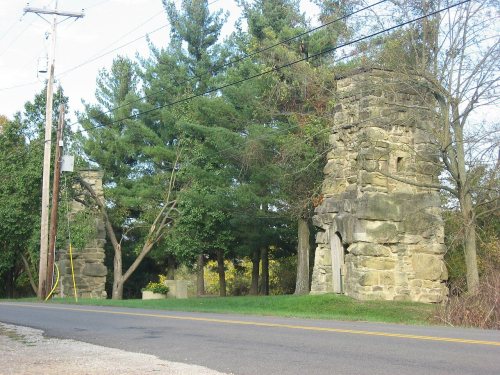
National Park Service, National Register of Historic Places. Photos from Wikimedia Commons, credited on each place’s page.
Every building
Gallipolis, building by building, 1885–1916
Fire insurance maps drew every building, what it was made of and what it was used for, so insurers could price the risk of fire. Pick a year, then a sheet.
Nothing in the archives for these yearsWeddings on Main Street, storms, parades, school pictures, the old store. If it’s in your family album, it belongs here.
Nothing in the archives for these yearsWeddings on Main Street, storms, parades, school pictures, the old store. If it’s in your family album, it belongs here.
Gallipolis was first settled by Europeans in 1790: "The French 500" were a group of French aristocrats, merchants, and artisans who were fleeing the violence and disruption of the French Revolution. They were led by Count Jean-Joseph de Barth, an Alsatian member of the French National Assembly. It was the second city to be founded in the newly organized Northwest Territory of the United States, after Marietta, Ohio. Its name comes from its Gallic heritage ("The city of the Gauls") and is known as "The Old French City" because of this beginning.
Passages that mention Gallipolis, cut from the printed page as they were published.
The Scioto speculation and the French settlement at Gallipolis. A study in Ohio Valley history1907Read the page →
Read the text
was not pretentious. The dreams of a beautiful town in the West to which they were going, visions in which the emigrants had indulged since Jeaving Paris, were soon dispelled. The town of Gallipolis rose before them. It consisted of two parailel rows of log cabins, each row some three hundred feet in length, and forming streets parallel with the river. At intervals of one hundred feet spaces had been left between the huts for cross streets, and at each corner of the rectangle formed by the whole, block-
Text read by machine from the scan; it may contain errors.
Scans and text from the Internet Archive. Books published in 1930 or earlier, which are in the public domain.
Timeline
Gallipolis, 1790 to 1960
Woven from the archive, old maps, post office records, the National Register and the people born here.
In 1790, according to Wikidata and Wikipedia’s history of the town. Gallipolis’ post office opened in 1794, and the census of 1840 counted 1,413 people here.
How does Gallipolis rank for history?
Gallipolis is more historic than 97% of U.S. towns, #32 of 993 in Ohio. The History grade combines the town’s founding era, the share of homes built before 1940 and its National Register listings. It’s a character grade, so it isn’t part of the overall grade. How it works.
What is on the National Register in Gallipolis?
5 listings: 3 buildings, among them the Our House (listed 1970, the first), and 2 historic districts, the Gallipolis Public Square and Garden Lots Historic District and the Gallipolis Historic District, with 216 contributing buildings. 219 historic buildings in all.
How old are the homes in Gallipolis?
33% of Gallipolis’ homes were built before 1940 (Census estimate, ±10.6 points), against a typical 15% for an Ohio town; the median home was built in 1960.
Founding dates: Wikidata, Wikipedia, the U.S. post office records of Blevins & Helbock (CC0) and the Census. Homes by year built: Census ACS 2020–24. National Register of Historic Places: National Park Service (list of May 22, 2026). Old photos, postcards and papers: Wikimedia Commons, the Library of Congress and other public archives, credited on each item’s page. Maps: U.S. Geological Survey historical topographic maps (via Esri) and Sanborn fire-insurance maps (Library of Congress). History text and census tables: Wikipedia (CC BY-SA 4.0). Places that used to be: USGS Geographic Names Information System (2021).
From Wikimedia Commons (4), the Library of Congress (14), the National Register of Historic Places (5), Wikipedia, Wikidata and Wikipedia for famous people, U.S. Geological Survey historical maps, U.S. Census counts (via Wikipedia), the US Post Offices dataset (Blevins & Helbock), the USGS Geographic Names Information System, Sanborn fire insurance maps (Library of Congress) and old county and town histories (Internet Archive). Archive images are copied here with their credits and licenses, shown on each photo’s page. Refreshed monthly.




 1862
 1865
 1896
 c. 1930
 1940
 1942
 1942
 1943
 1943
 1943
 1943
 1943
 1943
 1943
 1943
 1943
 1943
 1943