

The story
Read it all →How Ashley came to be
From Wikipedia’s history of Ashley.
Ashley was laid out in 1849. The village takes its name from L. W. Ashley, one of the original owners of the village site.
Text from Wikipedia, licensed CC BY-SA 4.0.
Each edition grades its towns against each other only.
More historic than 95% of U.S. towns. What drives it
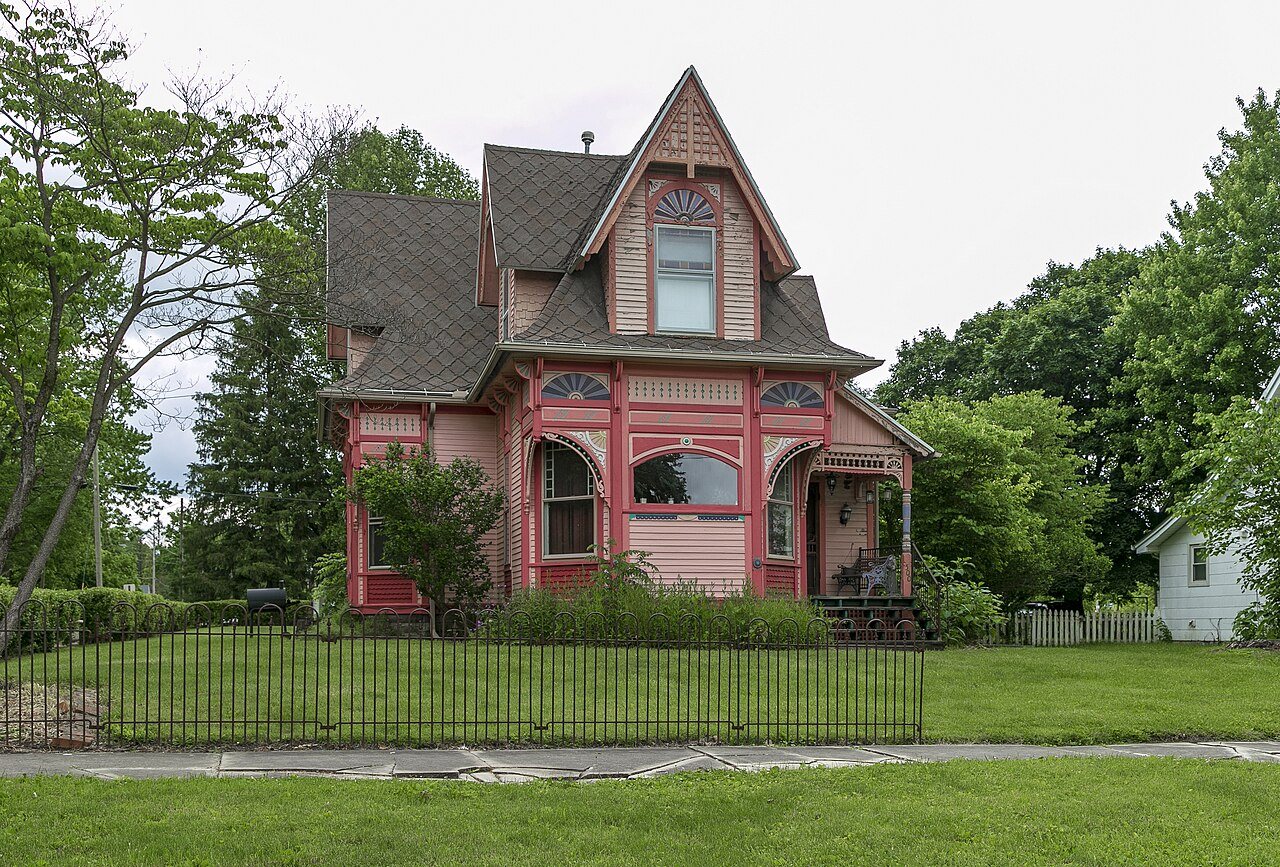
4 places in town are on the National Register. Below: old-book passages.
More historic than 95% of U.S. towns, on its age, its old homes and the National Register.
On its age, its old homes and the National Register, Ashley is more historic than 95% of U.S. towns. All 2 inputs are above most U.S. towns; its share of homes from before 1940 ranks highest and its National Register listings lowest.
Ohio towns list about as much on the Register as the country (a typical Ohio town has 2.9 per 10,000 residents, the U.S. 2.4), so Ashley’s 25.1 sits above most of its state (83% of Ohio towns have fewer) while its 4 listings outnumber those of 68% of U.S. towns.
Founding year: our sources. Homes: Census ACS 2020–24. National Register: National Park Service, May 2026 list; each listing counted once (boundary changes and added documentation belong to their listing), and a historic district counts its contributing buildings. How TownRatings grades history →
Read from the archive, the National Register and the record. The page puts what stands out first.
The first neighbors to add old photos shape how Ashley’s history is told.
The country’s official list of buildings and places worth saving.


National Park Service, National Register of Historic Places. Photos from Wikimedia Commons, credited on each place’s page.
From Wikipedia’s history of Ashley.
Ashley was laid out in 1849. The village takes its name from L. W. Ashley, one of the original owners of the village site.
Text from Wikipedia, licensed CC BY-SA 4.0.
Passages that mention Ashley, cut from the printed page as they were published.

goods business, which they continued till 1856 ; he traveled for a Philadelphia house during the years of 1857-59. Mr. Coomer was one of the incorporators of the village of Ashley; has served a number of terms as Mayor, and held the office of Township Clerk and Assessor; was the second Postmaster of Ashley, serving under three different commissions a term of fourteen years, and was
Text read by machine from the scan; it may contain errors.
goods business, which they continued till 1856 ; he traveled for a Philadelphia house during the years of 1857-59. Mr. Coomer was one of the incorporators of the village of Ashley ; has served a number of terms as Mayor, and held the office of Township Clerk and Assessor ; was the second Postmaster of Ashley, serving, under three different commissions a term of fourteen years, and was
Text read by machine from the scan; it may contain errors.
The village of Ashley is the most populous municipality outside of the city of Delaware in the county. Its original name was Oxford, but was changed to Ashley in honor of L. W. Ashley, one of the proprietors of the ground upon which the village was built. The other owner was J. C. Avery. County Surveyor Charles Neil platted the village on June
Text read by machine from the scan; it may contain errors.
On the 3d day of March, 1855, a petition, signed by some fifty residents of the village, was filed with the Auditor of Delaware County, praying for the incorporation of the village of Ashley. At their June session, in 1855, the Board of Commissioners heard and granted the petition, and on the 30th day of the following August, 1855, the first election for officers was held at the school-
Text read by machine from the scan; it may contain errors.Scans and text from the Internet Archive. Books published in 1930 or earlier, which are in the public domain.
Woven from the archive, old maps, post office records, the National Register and the people born here.
Writers, athletes, leaders and more, ranked by how widely they’re known.
Another post office, Oxford, opened and closed inside today’s town.
US Post Offices dataset (Blevins & Helbock, CC0). Places and cemeteries from the USGS Geographic Names Information System (2021).
Each neighbor’s History grade, on the same three inputs.
Ashley is more historic than 95% of U.S. towns. The History grade combines the town’s founding era, the share of homes built before 1940 and its National Register listings. It’s a character grade, so it isn’t part of the overall grade. How it works.
4 listings: 4 buildings, among them the Building at 101 North Franklin Street (listed 1980, the first).
37% of Ashley’s homes were built before 1940 (Census estimate, ±9.1 points), against a typical 15% for an Ohio town; the median home was built in 1960.
What the archives can’t tell you, neighbors can.
Founding dates: Wikidata, Wikipedia, the U.S. post office records of Blevins & Helbock (CC0) and the Census. Homes by year built: Census ACS 2020–24. National Register of Historic Places: National Park Service (list of May 22, 2026). Old photos, postcards and papers: Wikimedia Commons, the Library of Congress and other public archives, credited on each item’s page. Maps: U.S. Geological Survey historical topographic maps (via Esri) and Sanborn fire-insurance maps (Library of Congress). History text and census tables: Wikipedia (CC BY-SA 4.0). Places that used to be: USGS Geographic Names Information System (2021).
From Wikimedia Commons (6), the National Register of Historic Places (4), Wikipedia, Wikidata and Wikipedia for famous people, the US Post Offices dataset (Blevins & Helbock), the USGS Geographic Names Information System and old county and town histories (Internet Archive). Archive images are copied here with their credits and licenses, shown on each photo’s page. Refreshed monthly.


 2015
 2015
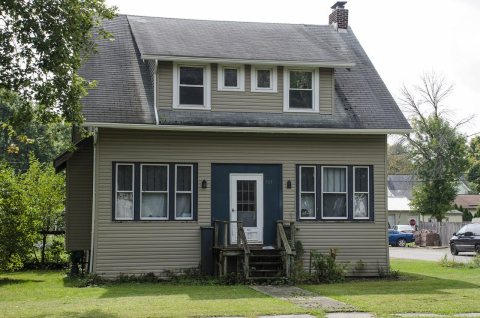 2014
 2014
 2014
 2004