
Part of Smith Town Suffolk County, 1915
Nissequogue’s story
100 years in pictures
The archive holds 6 old photos and papers going back to 1902.
- 1926Nissequogue is settled
Each edition grades its towns against each other only.
A town of 1,638, settled in 1926.
The best of Nissequogue’s subject grades are an A+ for incomes and health and an A for schools; the weakest is a D− for cost of living. Nissequogue’s median rent is $3,283 a month, where New York’s towns sit at $1,101 a month and U.S. towns at $1,185 a month. On cost of living, just 6 of New York’s 1,215 towns do worse. Nissequogue is easier to get around on foot or by transit than 76% of U.S. towns. Nissequogue’s trail density is 2.3 miles per square mile, above both the New York town median (0.4) and the median of U.S. towns (0.4). On history, just 78 of New York’s 1,216 towns do worse. David Weld Sanctuary, at 115 acres with 2.8 miles of trail, is the biggest park or preserve. Nissequogue has fewer than 2,500 residents, so it gets subject grades but no overall grade.
Where Nissequogue beats most towns.
Coastal flooding makes up 22% of the storm damage FEMA expects here.
FEMA National Risk Index · OpenFEMA · OpenStreetMap
Each subject compared with towns across the country (schools within New York), ordered by how far Nissequogue is from typical.
How TownRatings grades towns →
The archive holds 6 old photos and papers going back to 1902.
Museums, parks, gardens and other places to visit around Nissequogue. Close and well known come first.
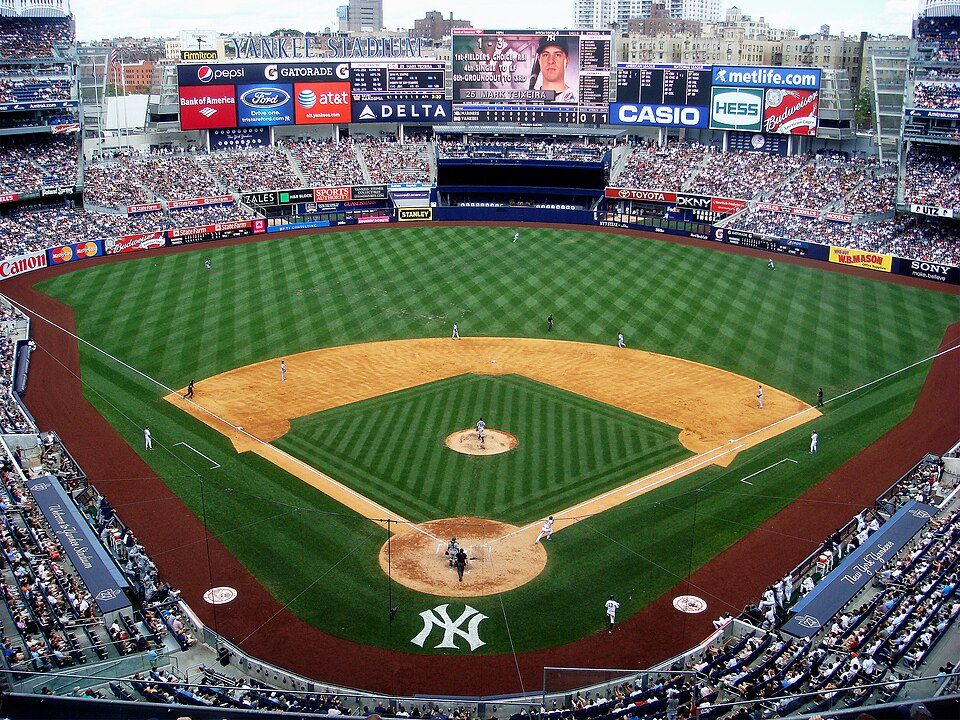 Big draw39 mi Stadium & arenaYankee Stadium
 Big draw36 mi Stadium & arenaCiti Field
 Big draw36 mi Stadium & arenaEtihad Park
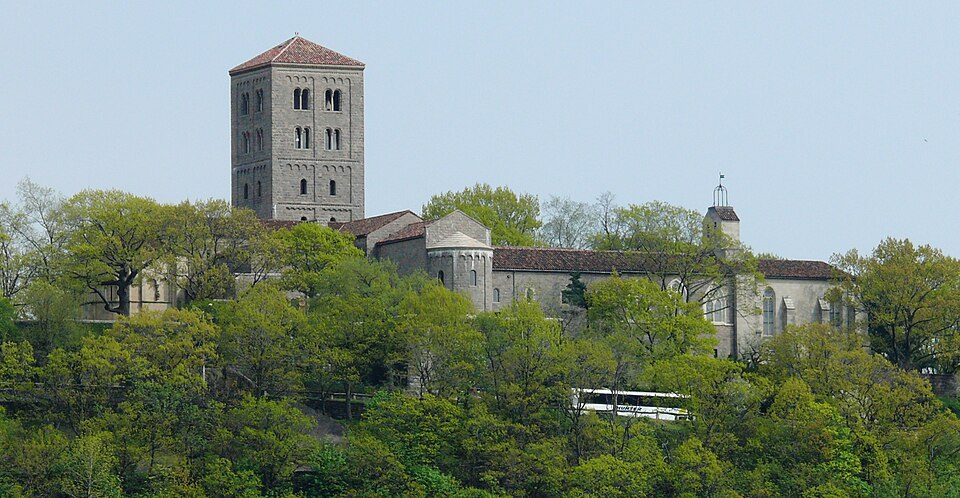 Big draw39 mi MuseumThe Cloisters
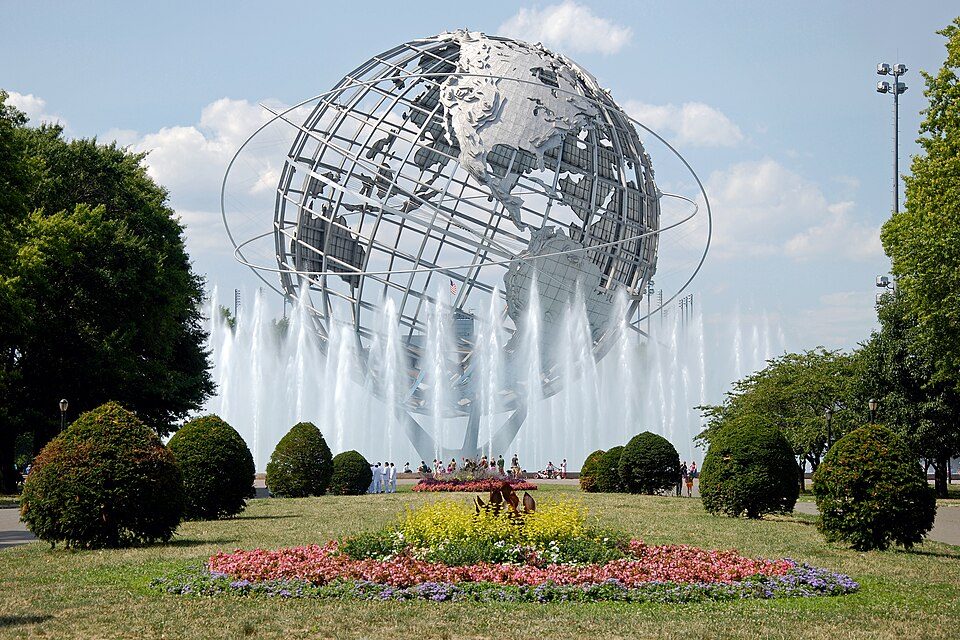 36 mi GardenFlushing Meadows–Corona Park
 35 mi LandmarkFerncliff Cemetery
Yankee Stadium: Matt Boulton, CC BY-SA 2.0 · Citi Field: Chris6d, CC BY-SA 4.0 · Etihad Park: Bananza76, CC0 · The Cloisters: Paweł Drozd on Wiki Drozdpl cropped by Beyond My Ken (talk) 17:05, 27 December 2, CC BY-SA 3.0 · Flushing Meadows–Corona Park: Flapane, Public domain · Ferncliff Cemetery: Anthony22 at English Wikipedia, CC BY-SA 3.0
Who provides power, water and the rest in Nissequogue, and how to reach them.
EPA SDWIS (Oct 9, 2026) · HIFLD + EIA-861 2025 · Census 2020 ZCTAs · NCES 2024–25 · registration: vote.gov, updated Aug 3, 2026.
Ordered by what stands out in Nissequogue.
The typical Nissequogue home is worth about $1,402,000, up 9.5% in a year, more than twice the New York typical home. 88% of Nissequogue households own their home.
Census ACS, 2020–24 · Zillow Home Value Index · Redfin Data Center
26% of adults feel lonely in Nissequogue. Nissequogue beats the New York average on 19 of 32 CDC measures and trails it on 2. 13% of adults report frequent mental distress in Nissequogue.
| Nissequogue | New York towns | U.S. towns | |
|---|---|---|---|
| Feel lonely (CDC PLACES) | 26% | 32% | 33% |
| Depression (CDC PLACES) | 16% | 21% | 23% |
| Frequent mental distress (CDC PLACES) | 13% | 16% | 17% |
| Smoke cigarettes (CDC PLACES) | 7.3% | 13% | 14% |
| What stands out | Nissequogue | NY |
|---|---|---|
| Fewer adults facing food insecurity | 6.5% | 17.2% |
| Fewer adults facing housing insecurity | 6.1% | 14.5% |
| More adults who have had cancer | 11% | 7.7% |
CDC PLACES 2025 · modeled estimates for adults · CMS · HRSA
Expected storm and flood damage is lower than in 93% of U.S. communities. Since 1978, 34 flood insurance claims have been paid out in Nissequogue.
FEMA flood insurance claims · FEMA National Risk Index · OpenFEMA
Since 2013, Nissequogue has added 43 jobs, to 268 in 2023. Among 759 New York towns, just 1 have a lower share of working residents who work in town than Nissequogue. Nissequogue’s median household income is $173,000.
| Nissequogue | New York towns | U.S. towns | |
|---|---|---|---|
| Median household income | $173,000 | $82,000 | $80,000 |
| Average trip to work | 32 minutes | 25 minutes | 25 minutes |
| Below the poverty line | 4.1% | 9.5% | 9.6% |
| Working residents who work in town | 0.8% | 10% | 8% |
Census LEHD 2023 · ACS
Nissequogue has chilly, snowy winters and pleasant summers. July afternoons reach 83°, January nights drop to 25° and about 32 inches of snow falls in a winter.
NOAA U.S. Climate Normals, 1991–2020
9.0 miles of trail in 5 parks and preserves.
| Biggest places to walk | Trails | Acres |
|---|---|---|
| 1. David Weld Sanctuary | 2.8 mi | 115 |
| 2. Long Beach Town Park | 0.1 mi | 21 |
| 3. Otto Schubert Beach | 0.1 mi | 5 |
Trails & parks © OpenStreetMap contributors · Conserved land: USGS PAD-US
Nissequogue's reported crime rate is well below New York's. The property crime rate in Nissequogue is 0.6 per 1,000 residents. Most reported incidents are property crimes, mainly thefts.
| Nissequogue | New York towns | U.S. towns | |
|---|---|---|---|
| Property crimes per 1,000 (2025) | 0.6 per 1,000 residents | 7.5 | 9.9 |
| Violent crimes per 1,000 (2025) | 0 per 1,000 residents | 0.8 | 1.6 |
FBI crime data, 2025 · crimes reported to police
3 within 15 miles of the center of Nissequogue
About 8 of every 100 Nissequogue residents are enrolled in college, about the same as New York.
1,749 counted in 2010 and 1,564 in 2020; an estimated 1,638 in 2025.
U.S. Census 2010 & 2020 counts · Census Bureau estimate, July 1, 2025
Village in New York, United States
Nissequogue () is a village in Suffolk County, on the North Shore of Long Island, in New York, United States. The village population was 1,564 at the 2020 census. The Incorporated Village of Nissequogue is located entirely within the Town of Smithtown.
From Wikipedia, licensed CC BY-SA 4.0 · facts via Wikidata (CC0)
2 towns share a border with Nissequogue.
| Town | NY rank | Overall | Cost | Safety | Schools | Health |
|---|---|---|---|---|---|---|
| Nissequogue | — | — | D− | — | A | A+ |
| Kings Park | — | — | — | — | — | — |
| Head of the Harbor | — | — | D− | — | A | A+ |
Nissequogue and Head of the Harbor have fewer than 2,500 residents, so they get subject grades but no overall grade. Nissequogue and Head of the Harbor report no FBI crime data of their own. Kings Park isn’t graded (fewer than 1,000 residents, or not enough data). Compare Nissequogue with a neighbor →
Short answers, built from the data on this page.
Yes. That is 14.1 years of the area's median household income ($99,155 across the New York-Newark-Jersey City, NY-NJ metro area). Cost of living, which also weighs rents, property taxes and how many households pay 30% or more of their income for housing, grades D−.


