Montclair Township’s post office opened in 1861, and 59% of its homes were built before 1940
More historic than 88% of U.S. towns · #72 of 468 in New Jersey. What drives it
54 places in town are on the National Register, among them four historic districts with 332 buildings between them. Below: 6 old photos and papers, maps from 1888 on, and the census since 1870.
From Montclair Township’s archive · credits on each photo
Quick answers
How Montclair Township began
When was Montclair Township founded?
1861
The Montclair Township post office opened in 1861, the earliest record of the town by name. Two smaller post offices, West Bloomfield (1831) and Upper Montclair (1873), opened inside today’s town and later closed.
First census: 2,853 in 18702020 census: 40,921165 years
How historic is Montclair Township?
A
More historic than 88% of U.S. towns, on its age, its old homes and the National Register.
Founding year: the first Montclair Township post office (Blevins & Helbock, CC0).The full story ↓
History grade
What drives Montclair Township’s History grade
On its age, its old homes and the National Register, Montclair Township is more historic than 88% of U.S. towns, #72 of 468 in New Jersey. Its share of homes from before 1940 holds the grade up; its age pulls it down.
A
HistoryA character grade: shown, never part of Montclair Township’s overall grade.
New Jersey towns list more on the Register than most of the country (a typical New Jersey town has 3.7 per 10,000 residents, the U.S. 2.4), so Montclair Township’s 94.9 sits above most of its state (86% of New Jersey towns have fewer) while its 383 historic buildings outnumber those of 96% of U.S. towns.
How sure. Graded on any two of the three inputs instead, the letter would range from B+ to A+. The pre-1940 share (±2.2 points) is firm at this size. The founding year is the first post office, not a stated founding date.
Founding year: the first post office (other dates in Quick answers). Homes: Census ACS 2020–24. National Register: National Park Service, May 2026 list; each listing counted once (boundary changes and added documentation belong to their listing), and a historic district counts its contributing buildings. How TownRatings grades history →
What stands out about Montclair Township’s past
Read from the archive, the National Register and the record. The page puts what stands out first.
National Park Service, National Register of Historic Places. Photos from Wikimedia Commons, credited on each place’s page.
On the map
Montclair Township on the map, 1888 to 1995
Every edition of the U.S. Geological Survey’s map of Montclair Township. Tap a year, or press play to watch the town change.
1888Paterson sheet · 1:62,500
U.S. Geological Survey historical topographic maps (public domain), via Esri’s collection of the scans. The red ring marks the center of Montclair Township.
Montclair was initially formed as a township on April 15, 1868, from portions of Bloomfield Township, so that a second railroad could be built to Montclair. After a referendum held on February 21, 1894, Montclair was reincorporated as a town three days later. It derives its name from the French mont clair, meaning "clear mountain" or "bright mountain."
Passages that mention Montclair Township, cut from the printed page as they were published.
History of Montclair township, state of New Jersey including the history of the families who have been identified with its growth and prosperity1894 · page 19Read the page →
Read the text
Azariah Crane with Robert Treat’s daughter) were the first settlers of Cranetown (later AVrest Bloomfield and now Montclair Township), were leaders in the civil and religious affairs of Newark during the first quarter of a century after its settlement. Their influence in the community is shown by the various positions of honor to which they were elected. The following extracts relating to their public service are taken from the Town Records of Newark compiled by Mr. William A. Whitehead and Air. Samuel LI. Conger for the New Jersey Historical Society : Town AIeeting, Jan. 1668. Air. Crane and Air. Treatt are Chosen Alagistrates for the Year Insueing for our Town of Newark.
Text read by machine from the scan; it may contain errors.
History of Montclair township. New Jersey1894 · page 312Read the page →
Read the text
This cemetery is located in the iiortlnvest corner of Montclair Township, at Montclair Heights, on the east side of the mountain, about three minutes' walk from the station on the Greenwood Lake R.R. It contains about twenty acres, occupying an elevated position, affording a very extended view from almost every point of the compass. On a clear day, Brooklyn Heiglits, the Bridge and a part of (Ireenwood Cemetery can easily be seen — as well as the baidcs of the Hudson, the Palisades, from the southernmost point at Weehawken, extending north to its termination above Closter. The projectors of this enterprise designed it not simply for local use, but parties from Jersey City, Paterson, Newark and Little Falls, are owners of jilots on which they have expended large sums of money, The cemetery is
Text read by machine from the scan; it may contain errors.
History of Montclair township, state of New Jersey including the history of the families who have been identified with its growth and prosperity1894 · page 199Read the page →
Read the text
with James C. Beach, purchased the property. At this mill he made the first steam-dried strawboards ever made in the United States. [See account under the bead of “Industries on Tony’s Brook.”] In 1866 Mr. Wheeler was elected a Chosen Freeholder from Bloomfield (then including Montclair), and after the erection of Montclair Township, in 1868, was re-elected to represent it in the Board for ten consecutive years. He also served on the Town Committee for some years. He was a warm friend of the public school, was elected Trustee in 1851, and re-elected at the expiration of his term. He owned the property on Church Street where the school-house now stands, and offered to give it for a public park provided the township of Montclair would buy the remainder
Text read by machine from the scan; it may contain errors.
Scans and text from the Internet Archive. Books published in 1930 or earlier, which are in the public domain.
Timeline
Montclair Township, 1831 to 1977
Woven from the archive, old maps, post office records, the National Register and the people born here.
Nothing in the archives for these yearsWeddings on Main Street, storms, parades, school pictures, the old store. If it’s in your family album, it belongs here.
The Montclair Township post office opened in 1861, the earliest record of the town by name (U.S. post office records).
How does Montclair Township rank for history?
Montclair Township is more historic than 88% of U.S. towns, #72 of 468 in New Jersey. The History grade combines the town’s founding era, the share of homes built before 1940 and its National Register listings. It’s a character grade, so it isn’t part of the overall grade. How it works.
What is on the National Register in Montclair Township?
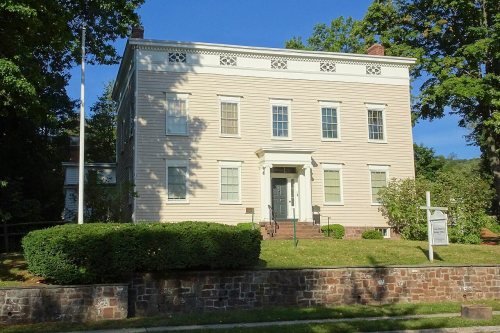
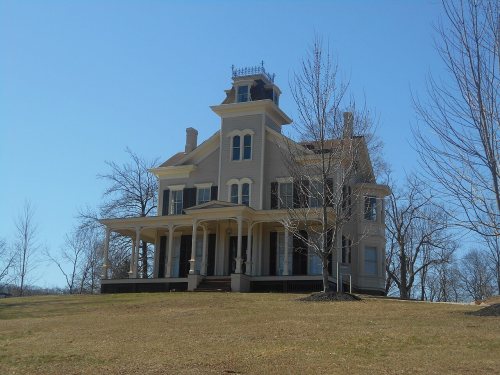
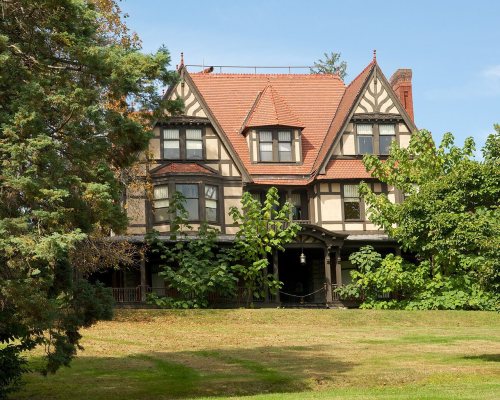
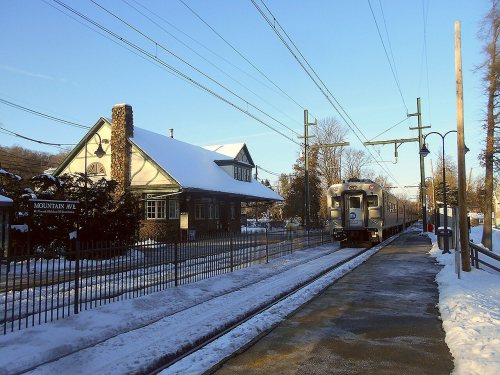
54 listings: 48 buildings, among them the Montclair Railroad Station (listed 1973, the first), 4 historic districts with 332 contributing buildings, and 2 sites. 383 historic buildings in all.
How old are the homes in Montclair Township?
59% of Montclair Township’s homes were built before 1940 (Census estimate, ±2.2 points), against a typical 15% for a New Jersey town; the median home was built in 1938.
Founding dates: Wikidata, Wikipedia, the U.S. post office records of Blevins & Helbock (CC0) and the Census. Homes by year built: Census ACS 2020–24. National Register of Historic Places: National Park Service (list of May 22, 2026). Old photos, postcards and papers: Wikimedia Commons, the Library of Congress and other public archives, credited on each item’s page. Maps: U.S. Geological Survey historical topographic maps (via Esri) and Sanborn fire-insurance maps (Library of Congress). History text and census tables: Wikipedia (CC BY-SA 4.0). Places that used to be: USGS Geographic Names Information System (2021).
From Wikimedia Commons (6), Wikidata (6), the National Register of Historic Places (54), Wikipedia, Wikidata and Wikipedia for famous people, U.S. Geological Survey historical maps, U.S. Census counts (via Wikipedia), the US Post Offices dataset (Blevins & Helbock), the USGS Geographic Names Information System and old county and town histories (Internet Archive). Archive images are copied here with their credits and licenses, shown on each photo’s page. Refreshed monthly.





 1885
 1887

