Spalding’s post office opened in 1894, and 44% of its homes were built before 1940
3 places in town are on the National Register, among them a historic district with 2 buildings. Below: 5 old photos and papers, maps from 1954 on, and the census since 1900.
The Spalding post office opened in 1894, the earliest record of the town by name. Two smaller post offices, Halifax (1875) and Spaulding (1881), opened inside today’s town and later closed.
First census: 148 in 19002020 census: 408132 years
Founding year: the first Spalding post office (Blevins & Helbock, CC0).The full story ↓
What stands out about Spalding’s past
Read from the archive, the National Register and the record. The page puts what stands out first.
Spalding was originally called Halifax, and under the latter name was founded in 1875 by a colony of Irish Catholics. It was renamed in 1881 in honor of bishop John Lancaster Spalding.
Nothing in the archives for these yearsWeddings on Main Street, storms, parades, school pictures, the old store. If it’s in your family album, it belongs here.
The Spalding post office opened in 1894, the earliest record of the town by name (U.S. post office records).
What is on the National Register in Spalding?
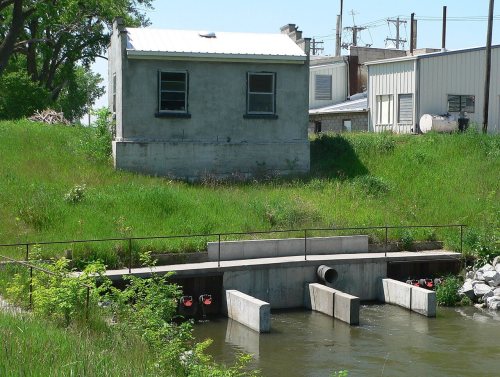
Three places: the St. Michael's Catholic Church Complex (listed 1983), the Spalding Power Plant and Dam (1998) and the First Presbyterian Church (2004).
Founding dates: Wikidata, Wikipedia, the U.S. post office records of Blevins & Helbock (CC0) and the Census. Homes by year built: Census ACS 2020–24. National Register of Historic Places: National Park Service (list of May 22, 2026). Old photos, postcards and papers: Wikimedia Commons, the Library of Congress and other public archives, credited on each item’s page. Maps: U.S. Geological Survey historical topographic maps (via Esri) and Sanborn fire-insurance maps (Library of Congress). History text and census tables: Wikipedia (CC BY-SA 4.0). Places that used to be: USGS Geographic Names Information System (2021). How TownRatings grades history →
From Wikimedia Commons (3), the Library of Congress (2), Wikidata (2), the National Register of Historic Places (3), Wikipedia, Wikidata and Wikipedia for famous people, U.S. Geological Survey historical maps, U.S. Census counts (via Wikipedia), the US Post Offices dataset (Blevins & Helbock) and the USGS Geographic Names Information System. Archive images are copied here with their credits and licenses, shown on each photo’s page. Refreshed monthly.


 1913
 1913
 c. 1920