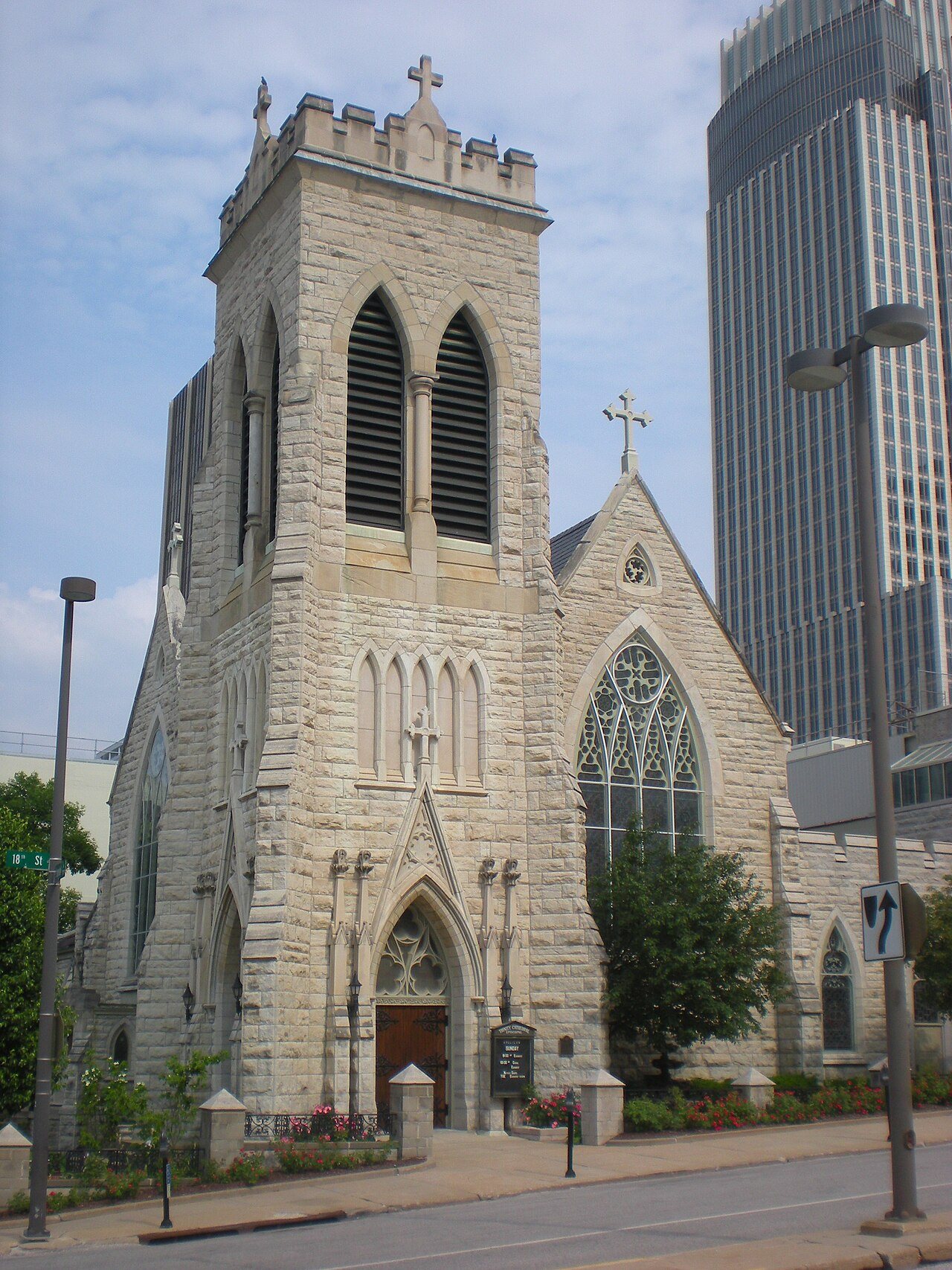
Trinity Cathedral
About Trinity Cathedral
Trinity Cathedral, at 113 N. 18th St., was added to the National Register of Historic Places on Aug 7, 1974. It was among the first 11 of Omaha’s 189 listings, with two others the same day. The Register lists it for its architecture and social history, at the state level. It describes its style as Late Gothic Revival, as it does for 12 other Nebraska listings. 15 more Register listings are within a quarter mile.
What it isEpiscopal cathedral in Omaha, Nebraska, United States. From Wikidata (CC0). Read about it on Wikipedia ↗
PDFRead the original nominationThe form that put it on the Register, with its history, photos and a map · 19 MB · National Archives↗Make it a walk: 5 landmarks in about 10 minutes
113 N. 18th St., Omaha · about 0.3 miles on foot, as the crow flies


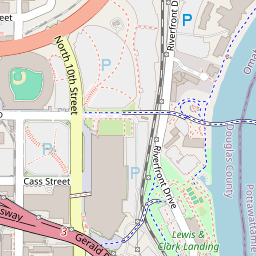


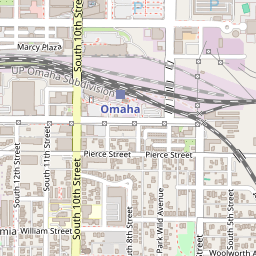



43 more Register listings within half a mile
★ National Historic Landmark · D district · B building · S site. Each opens its own page.
Show the other 25
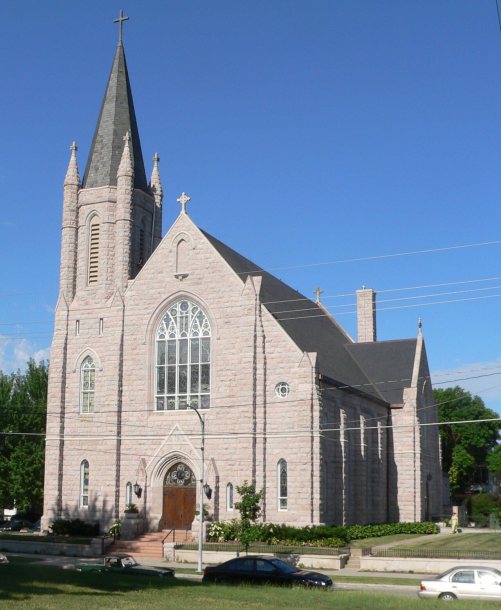
Late Gothic Revival style, nearby
Other National Register listings within 25 miles described as Late Gothic Revival.



Memories of Trinity Cathedral
The record says what it is. Neighbors know what it means.
Your answer becomes a post in Town Square.
Questions about Trinity Cathedral
Is Trinity Cathedral on the National Register of Historic Places?
Yes. It was added on Aug 7, 1974 (Register number 74001114).
Is Trinity Cathedral a National Historic Landmark?
No. It is on the National Register; Nebraska has 15 National Historic Landmarks. The nearest is USS HAZARD (AM-240) National Historic Landmark, 2.3 miles away.
Can you visit Trinity Cathedral?
It has its own website, the place to check whether and when it is open to visitors.
Where can I read the history of Trinity Cathedral?
In its National Register nomination, the form that put it on the Register: a 19 MB PDF at the National Archives, linked on this page.
Sources: National Park Service, National Register of Historic Places (05/22/2026) · National Archives catalog record 73920568 · Wikidata. Map tiles © OpenStreetMap contributors.