188 years in pictures
Census counts: 472 in 1890, 17,703 in 2020. The archive holds 9 old photos and papers going back to 2004 and 3 maps from 1914 on.
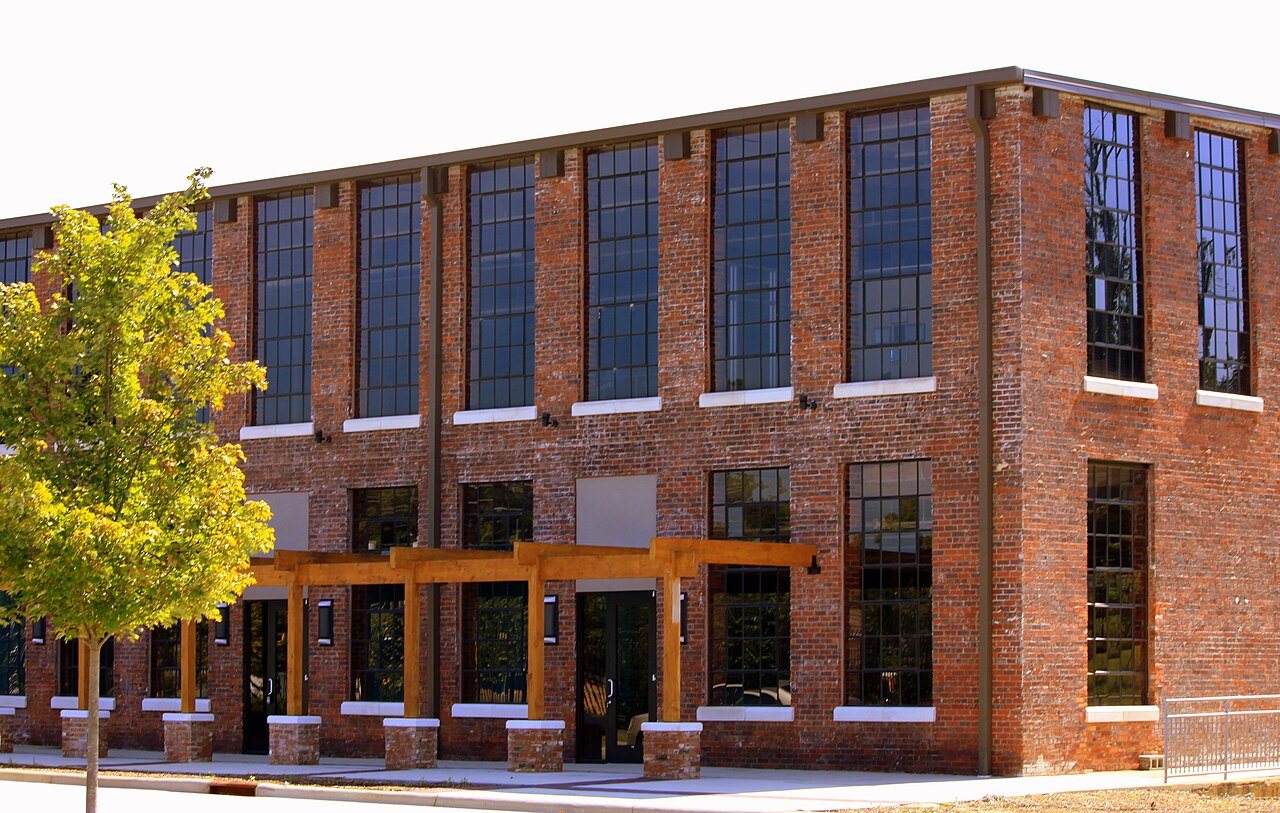
3 places on the National Register of Historic Places.
- 1838Mount Holly is settled
Each edition grades its towns against each other only.

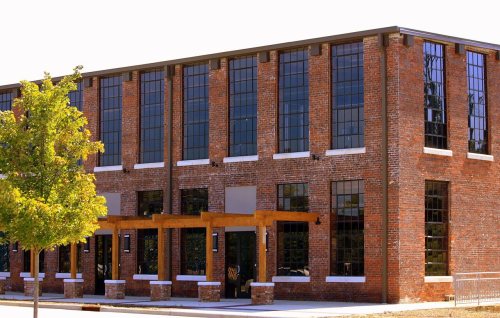
Mount Holly is a solid, middle-of-the-road choice. It grades C overall, 148th of 286 graded towns in North Carolina, with no subject far below average. Its best mark is health: it is healthier than 70% of U.S. towns. Expect to pay for it: the typical home is worth about $358K, 4.3 years of the Charlotte metro’s $83K median household income. 11% of the land in Mount Holly is conserved, above both the North Carolina town median (3.4%) and the median of U.S. towns (4.3%). Mount Holly has 3 places on the National Register of Historic Places, among them St. Joseph's Catholic Church and Mount Holly Cotton Mill. Most errands need a car: it is less walkable than 72% of U.S. towns.
Where Mount Holly beats most towns.
13,656 counted in 2010 and 17,703 in 2020; an estimated 19,033 in 2025.
Growth hasn’t slowed: 7.6% since 2020, after 29.6% in the decade before.
U.S. Census 2010 & 2020 counts · Census Bureau estimate, July 1, 2025
Each subject compared with towns across the country (schools within North Carolina), ordered by how far Mount Holly is from typical.
How TownRatings grades towns →
Census counts: 472 in 1890, 17,703 in 2020. The archive holds 9 old photos and papers going back to 2004 and 3 maps from 1914 on.
3 places on the National Register of Historic Places.
Museums, parks, gardens and other places to visit around Mount Holly. Close and well known come first.
Big draw11 mi Stadium & arenaBank of America Stadium
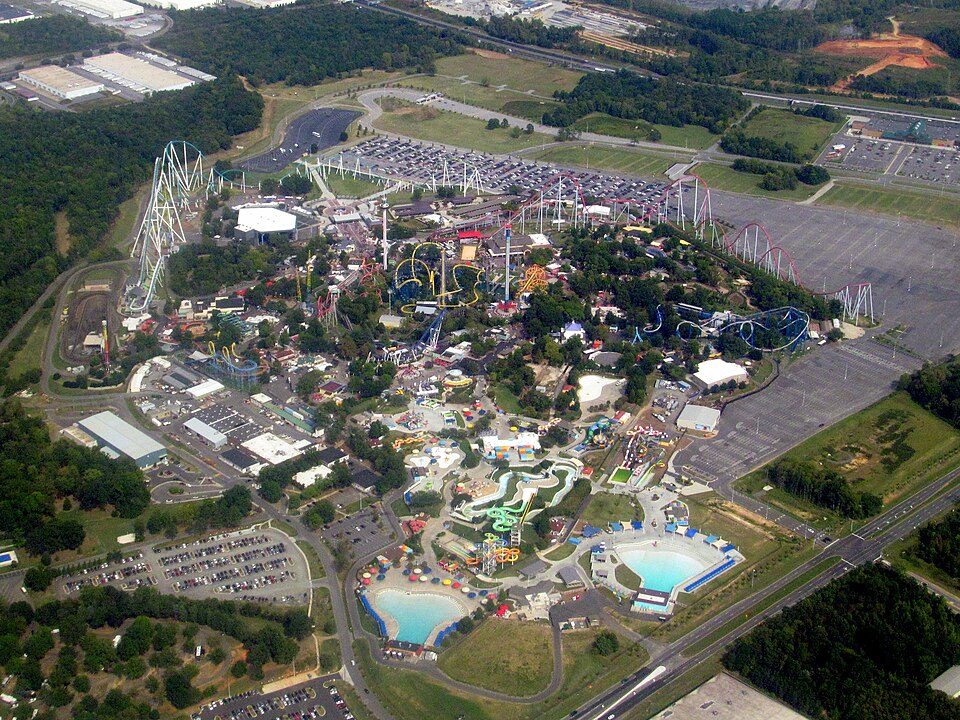
15 mi Theme parkCarowinds
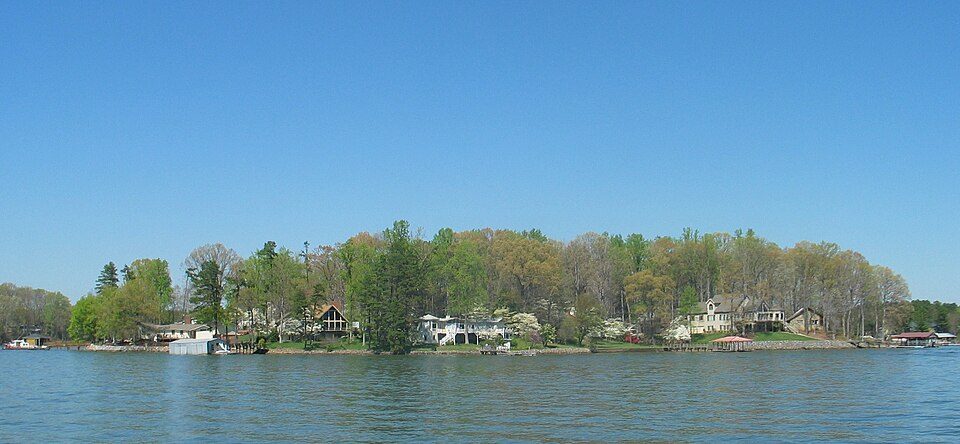
12 mi LakeLake Norman8 mi MuseumSullenberger Aviation Museum70K visitors a year
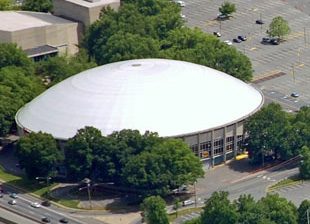
14 mi Stadium & arenaBojangles Coliseum
10 mi MuseumBilly Graham LibraryBank of America Stadium: HangingCurve, CC BY-SA 4.0 · Carowinds: Pi.1415926535, CC BY-SA 3.0 · Lake Norman: Prince Grobhelm, CC BY-SA 3.0 · Bojangles Coliseum: James Willamor, CC BY-SA 3.0 · Billy Graham Library: Billy Hathorn, CC BY 3.0
Who provides power, water and the rest in Mount Holly, and how to reach them.
EPA SDWIS (Oct 9, 2026) · HIFLD + EIA-861 2025 · Census 2020 ZCTAs · NCES 2024–25 · registration: vote.gov, updated Nov 18, 2024.
Ordered by what stands out in Mount Holly.
Most working residents leave Mount Holly for work: only 5% work in town. 19% of Mount Holly workers work from home, against 12% in North Carolina’s towns and 11% across U.S. towns. Since 2013, Mount Holly has added 1,136 jobs, to 5,643 in 2023.
| Mount Holly | North Carolina towns | U.S. towns | |
|---|---|---|---|
| Work from home | 19% | 12% | 11% |
| Average trip to work | 28 minutes | 24 minutes | 25 minutes |
| Below the poverty line | 8.2% | 13% | 9.6% |
| Working residents who work in town | 4.6% | 6.8% | 8% |
Census LEHD 2023 · ACS
Its public schools are run by the Gaston County Schools. One of its 4 schools is below, with why it’s listed.
| School | Level | Students | Letter |
|---|---|---|---|
| Mount Holly MiddleLargest public middle schoolGrades 6–8 | Grades 6–8 | 570 | B− |
NCES · EDFacts · graded within NC on state tests and graduation
12% of Mount Holly adults report frequent physical distress. Mount Holly beats the North Carolina average on 2 of 32 CDC measures and trails it on 0. 34% of Mount Holly adults have high blood pressure.
| Mount Holly | North Carolina towns | U.S. towns | |
|---|---|---|---|
| Frequent physical distress (CDC PLACES) | 12% | 13% | 14% |
| High blood pressure (CDC PLACES) | 34% | 38% | 35% |
| Binge drink (CDC PLACES) | 16% | 14% | 16% |
| Get no exercise (CDC PLACES) | 22% | 24% | 25% |
| What stands out | Mount Holly | NC |
|---|---|---|
| Fewer adults with heart disease | 5.5% | 6.6% |
| Fewer adults who have had a stroke | 3.1% | 3.6% |
CDC PLACES 2025 · modeled estimates for adults · CMS · HRSA
2.6 miles of trail in 11 parks and preserves. The biggest park or preserve is Mountain Island Park, at 78 acres.
| Biggest places to walk | Trails | Acres |
|---|---|---|
| 1. Mountain Island Lake Park | 1 mi | 77 |
| 2. Tuckaseege Park Mt Holly | 0.9 mi | 36 |
| 3. River Street Park | 0.5 mi | 13 |
Trails & parks © OpenStreetMap contributors · Conserved land: USGS PAD-US
Mount Holly has mild winters and warm summers. The July high in Mount Holly is 90°F.
NOAA U.S. Climate Normals, 1991–2020
Adults 35 to 64 are 45% of residents (38% statewide); people 65 and older are 12% of residents (17% statewide). Mount Holly has grown 7.6% since 2020, to 19,033 residents in the Census Bureau’s 2025 estimate. 37% of adults 25 and older hold a bachelor’s degree or more in Mount Holly.
| Mount Holly | North Carolina towns | U.S. towns | |
|---|---|---|---|
| Aged 65 or older | 12% | 18% | 18% |
| Bachelor’s degree or more, 25+ | 37% | 29% | 29% |
| Under 18 | 23% | 22% | 22% |
| Median age | 39 years | 40.1 years | 40.5 years |
54% women, 46% men
About 86 men for every 100 women (the survey’s margin: ±2.3 points). Across North Carolina, 51.1% of residents are women. Median age: women 40.0, men 38.3.
| Mount Holly | NC | U.S. | |
|---|---|---|---|
| Under 10 | 12% | 11.6% | 11.6% |
| 10 to 17 | 11.2% | 10.2% | 10.3% |
| 18 to 24 | 6.5% | 9.5% | 9.1% |
| 25 to 34 | 13.4% | 13.4% | 13.7% |
| 35 to 44 | 15.3% | 12.8% | 13.2% |
| 45 to 54 | 15.9% | 12.6% | 12.2% |
| 55 to 64 | 14.2% | 12.8% | 12.7% |
| 65 to 74 | 7.5% | 10.3% | 10.2% |
| 75 and older | 4.1% | 6.9% | 7% |
| No diploma | 8.3% | 9.9% | 10.4% |
| High school | 22.6% | 24.8% | 26% |
| Some college | 20.4% | 19.6% | 19.1% |
| Associate’s | 12% | 10.1% | 8.8% |
| Bachelor’s | 24.9% | 22.2% | 21.6% |
| Graduate | 11.8% | 13.5% | 14.1% |
Census population estimates, 2025 · U.S. Census Bureau · ACS 2020-2024 5-year estimates
Expected storm and flood damage is higher than in 57% of U.S. communities. Since 1997, 11 flood insurance claims have been paid out in Mount Holly.
FEMA flood insurance claims · FEMA National Risk Index · OpenFEMA
Mount Holly’s property crime rate is 11 per 1,000 residents. Within North Carolina, it does better than 77% of towns.
| Mount Holly | North Carolina towns | U.S. towns | |
|---|---|---|---|
| Property crimes per 1,000 (2025) | 11 per 1,000 residents | 21.8 | 9.9 |
| Violent crimes per 1,000 (2025) | 2.1 per 1,000 residents | 3.2 | 1.6 |
FBI crime data, 2025 · crimes reported to police
The median property tax bill is $2,866, against $1,896 across North Carolina, another input to its cost-of-living grade.
The typical Mount Holly home is worth about $358,000, about the same as a year ago, 8% above the North Carolina typical home.
| Mount Holly | North Carolina towns | U.S. towns | |
|---|---|---|---|
| Median rent | $1,256 a month | $1,084 a month | $1,185 a month |
| Households that own their home | 69% | 67% | 73% |
Zillow Home Value Index · Redfin Data Center
8 within 15 miles of the center of Mount Holly
About 4 of every 100 Mount Holly residents are enrolled in college, against 6 across North Carolina.
Where Mount Holly’s working residents go each day. Line width shows the share.
Census LEHD 2023
3 places in Mount Holly on the National Register of Historic Places.
City in North Carolina, United States
Mount Holly is a small suburban city in northeastern Gaston County, North Carolina, United States. The city is situated just west of the Catawba River, north of Interstate 85, south of North Carolina State Highway 16. The population was 17,703 at the 2020 census, up from 13,656 in 2010.
From Wikipedia, licensed CC BY-SA 4.0 · facts via Wikidata (CC0)
One town shares a border with Mount Holly.
| Town | NC rank | Overall | Cost | Safety | Schools | Health |
|---|---|---|---|---|---|---|
| Mount Holly | #148 | C | C | C+ | B− | B+ |
| Belmont | #140 | C+ | C− | C− | B− | B+ |
Short answers, built from the data on this page.
Mount Holly grades C overall, better than 33% of U.S. towns and #148 of 286 in North Carolina. It grades B+ for health, C+ for safety and B− for schools.
Within North Carolina, it does better than 77% of towns.
Cost of living, which also weighs rents, property taxes and how many households pay 30% or more of their income for housing, grades C.
2 notable people were born here, including Jimmie Hall and Chink Outen.