Halifax dates to 1757, and 31% of its homes were built before 1940
9 places in town are on the National Register, among them two historic districts with 112 buildings between them. Below: 11 old photos and papers, maps from 1974 on, and the census since 1860.
Halifax dates its founding to 1757 (Wikidata and Wikipedia’s history agree). The census first counted it in 1860.
First census: 192 in 18602020 census: 170269 years
How did Halifax get its name?
Halifax was named for George Montagu-Dunk, 2nd Earl of Halifax, President of the Board of Trade from 1748 to 1761.
Founding year: Wikidata; Wikipedia’s history section gives the same year. First post office: 1793. Name: Wikipedia, licensed CC BY-SA 4.0.The full story ↓
What stands out about Halifax’s past
Read from the archive, the National Register and the record. The page puts what stands out first.
Halifax was established in 1757. It was named for George Montagu-Dunk, 2nd Earl of Halifax, President of the Board of Trade from 1748 to 1761. In January 1759 it became the county seat of the new Halifax County. The town developed into a commercial and political center at the time of the American Revolution. North Carolina's Fourth Provincial Congress met in Halifax in the spring of 1776, and on April 12, 1776, adopted the Halifax Resolves.
Passages that mention Halifax, cut from the printed page as they were published.
The spirit of the Roanoke. A pageant of Halifax County history1921 · page 38Read the page →
Read the text
advance of the British, with only untried militia against Tarleton's Veteran Calvary. I deem it best that my command return to Warrenton. From there we may keep a close watch upon the enemy and be ready at any time to come to the aid of Halifax. Governor Nash 1 approve your ])lan, General Jones. The (Jeneral Assembly and the state officials desire to join you. We shall retire together. Halifax had l)est put aside its military appearance and resume the air of an
Text read by machine from the scan; it may contain errors.
Scans and text from the Internet Archive. Books published in 1930 or earlier, which are in the public domain.
Timeline
Halifax, 1757 to 1974
Woven from the archive, old maps, post office records, the National Register and the people born here.
Nothing in the archives for these yearsWeddings on Main Street, storms, parades, school pictures, the old store. If it’s in your family album, it belongs here.
In 1757, according to Wikidata and Wikipedia’s history of the town. Halifax’s post office opened in 1793, and the census of 1860 counted 192 people here.
What is on the National Register in Halifax?
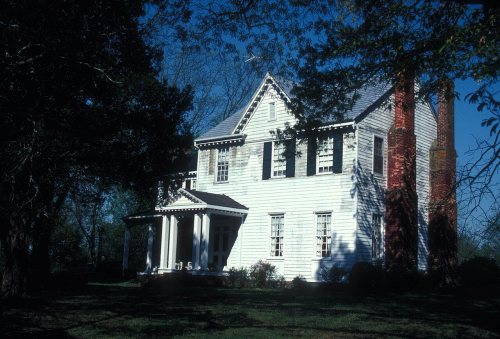
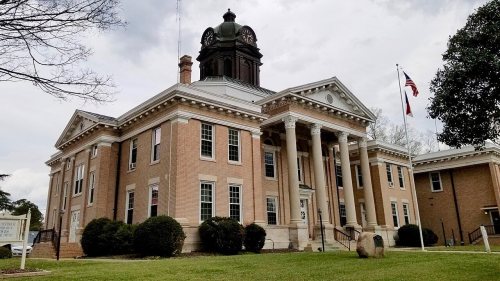
9 listings: 7 buildings and 2 historic districts, the Halifax Historic District and the Town of Halifax Historic District, with 112 contributing buildings. 120 historic buildings in all.
Founding dates: Wikidata, Wikipedia, the U.S. post office records of Blevins & Helbock (CC0) and the Census. Homes by year built: Census ACS 2020–24. National Register of Historic Places: National Park Service (list of May 22, 2026). Old photos, postcards and papers: Wikimedia Commons, the Library of Congress and other public archives, credited on each item’s page. Maps: U.S. Geological Survey historical topographic maps (via Esri) and Sanborn fire-insurance maps (Library of Congress). History text and census tables: Wikipedia (CC BY-SA 4.0). Places that used to be: USGS Geographic Names Information System (2021). How TownRatings grades history →
From Wikimedia Commons (1), the Library of Congress (10), the National Register of Historic Places (9), Wikipedia, Wikidata and Wikipedia for famous people, U.S. Geological Survey historical maps, U.S. Census counts (via Wikipedia), the US Post Offices dataset (Blevins & Helbock), the USGS Geographic Names Information System and old county and town histories (Internet Archive). Archive images are copied here with their credits and licenses, shown on each photo’s page. Refreshed monthly.




![advance of the British, with only untried militia against Tarleton's Veteran Calvary. I deem it best that my command return to Warrenton. From there we may keep a close watch upon the enemy and be ready at any time to come to the aid of Halifax. Governor Nash 1 approve your ])lan, General Jones. Th…](https://images.townratings.com/story/11943/bk-7b9cc07b2abaf7f2-l.jpg)


 1938
 1938
 1938
 1938
 1938
 1938
 1938
 1938

