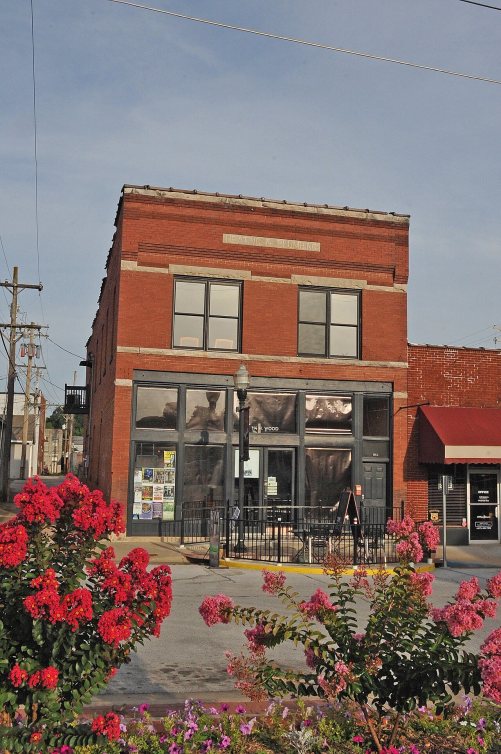
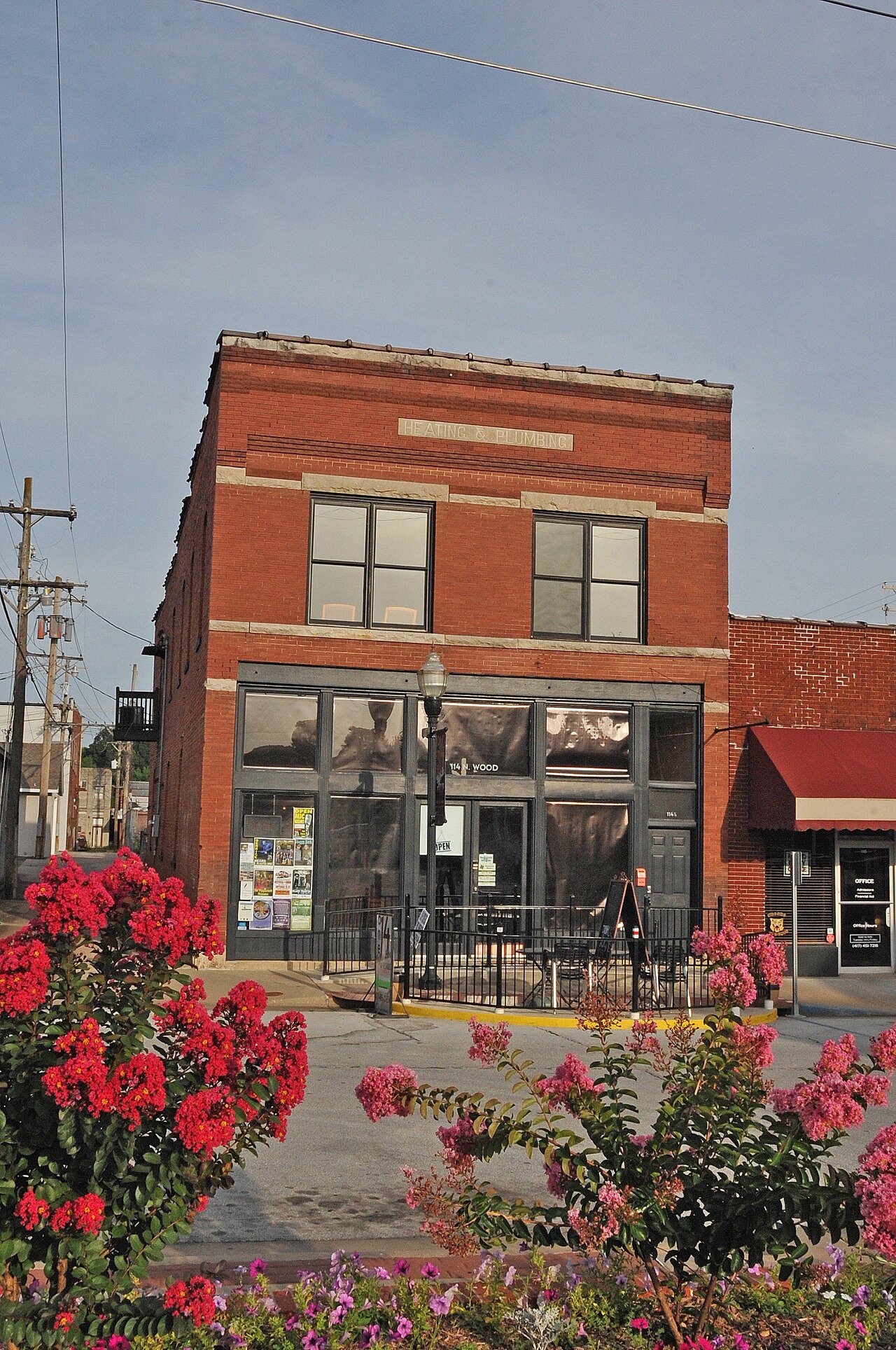
197 years in pictures
Census counts: 221 in 1850, 12,590 in 2020. The archive holds 12 old photos and papers going back to 1941 and 2 maps from 1916 on.
6 places on the National Register of Historic Places.
- 1829Neosho is settled
Each edition grades its towns against each other only.

Neosho gives you more for your money than most places: homes are within reach, about $230K for a typical one, or 3.7 years of the Joplin metro’s $62K median household income. It grades C overall, ranked 151st of 247 in Missouri. The low prices come with trade-offs. CDC estimates put its residents' health behind 85% of the country. Neosho’s trail density is 1.4 miles per square mile, above both Missouri’s towns (0.3) and U.S. towns (0.4). Neosho is home to Crowder College. Neosho has 6 places on the National Register.
Where Neosho beats most towns.
Neosho Commercial Historic DistrictCensus counts: 221 in 1850, 12,590 in 2020. The archive holds 12 old photos and papers going back to 1941 and 2 maps from 1916 on.
6 places on the National Register of Historic Places.
Each subject compared with towns across the country (schools within Missouri), ordered by how far Neosho is from typical.
How TownRatings grades towns →
Who provides power, water and the rest in Neosho, and how to reach them.
EPA SDWIS (Oct 9, 2026) · HIFLD + EIA-861 2025 · Census 2020 ZCTAs · NCES 2024–25 · registration: vote.gov, updated Nov 18, 2024.
Ordered by what stands out in Neosho.
Neosho fares better on crime within Missouri than nationally, trades workers with Joplin and other neighbors and has home values climbing faster than Missouri’s.
On this, Neosho is above the Missouri town median (2.1%) and near the median of U.S. towns (4.3%). 22 miles of trail in 7 parks and preserves. Bicentennial Conservation Area, at 486 acres with 8.5 miles of trail, is the biggest park or preserve.
| Biggest places to walk | Trails | Acres |
|---|---|---|
| 1. Bicentennial Conservation Area | 8.5 mi | 486 |
| 2. Morse Park | 0.1 mi | 102 |
| 3. Morse Park North | — | 18 |
Trails & parks © OpenStreetMap contributors · Conserved land: USGS PAD-US
Its public schools are run by the Neosho School District. Three of its 10 schools are below, each with why it’s listed.
| School | Level | Students | Letter |
|---|---|---|---|
| Neosho JR. HighLargest public middle schoolGrades 7–8 | Grades 7–8 | 753 | B |
| Neosho HighLargest public high schoolGrades 9–12 | Grades 9–12 | 1,530 | B− |
| George Washington Carver Elem.Top results in townGrades PK–4 | Grades PK–4 | 591 | A− |
NCES · EDFacts · graded within MO on state tests and graduation
33% of Neosho adults get no exercise outside work. Neosho beats the Missouri average on 0 of 32 CDC measures and trails it on 9. 20% of Neosho adults report frequent mental distress.
| Neosho | Missouri towns | U.S. towns | |
|---|---|---|---|
| Get no exercise (CDC PLACES) | 33% | 30% | 25% |
| Frequent mental distress (CDC PLACES) | 20% | 19% | 17% |
| Frequent physical distress (CDC PLACES) | 16% | 15% | 14% |
| Smoke cigarettes (CDC PLACES) | 19% | 17% | 14% |
| What stands out | Neosho | MO |
|---|---|---|
| More uninsured adults | 12.7% | 8.7% |
| More adults facing food insecurity | 18.7% | 13.7% |
| More adults without reliable transportation | 11% | 8.4% |
CDC PLACES 2025 · modeled estimates for adults · CMS · HRSA
At 29.2 crimes per 1,000 residents a year, it reports more crime than 57% of Missouri’s graded towns. Reported crimes fell from 362 to 225 over the last three FBI years, a drop beyond ordinary year-to-year swings.
The property crime rate in Neosho is 14.4 per 1,000 residents.
| Neosho | Missouri towns | U.S. towns | |
|---|---|---|---|
| Property crimes per 1,000 (2025) | 14.4 per 1,000 residents | 12.4 | 9.9 |
| Violent crimes per 1,000 (2025) | 1.6 per 1,000 residents | 2.3 | 1.6 |
FBI crime data, 2025 · crimes reported to police
Expected storm and flood damage is higher than in 71% of U.S. communities. Since 1980, 60 flood insurance claims have been paid out in Neosho.
FEMA flood insurance claims · FEMA National Risk Index · OpenFEMA
Neosho has chilly winters and warm summers. Neosho’s July high is 90°F.
NOAA U.S. Climate Normals, 1991–2020
Neosho has about as many jobs (6,124) as working residents, but only 1,436 people both live and work here.
About one in 4 of Neosho’s working residents works in town. Since 2013, Neosho has lost 801 jobs, to 6,124 in 2023. 5% of workers work from home in Neosho.
| Neosho | Missouri towns | U.S. towns | |
|---|---|---|---|
| Working residents who work in town | 28% | 13% | 8% |
| Average trip to work | 19 minutes | 22 minutes | 25 minutes |
| Work from home | 5% | 9% | 11% |
| Below the poverty line | 15% | 14% | 9.6% |
Census LEHD 2023 · ACS
Home values rose 44% in five years, to about $230K, against 26% across Missouri.
Typical home values rose 5.7% in the year to September 2026.
| Neosho | Missouri towns | U.S. towns | |
|---|---|---|---|
| Median rent | $745 a month | $972 a month | $1,185 a month |
| Households that own their home | 62% | 64% | 73% |
Zillow Home Value Index · Redfin Data Center
1 within 15 miles of the center of Neosho
About 7 of every 100 Neosho residents are enrolled in college, about the same as Missouri.
6 places in Neosho on the National Register of Historic Places.
14 notable people were born in Neosho.


City in Missouri, U.S.
Neosho (English: nee-OH-shoh, Osage: [niˈoʒo] or [niˈoʒu]) is the most populous city in and the county seat of Newton County, Missouri, United States. With a population of 12,590 as of the 2020 census, the city is a part of the Joplin metropolitan area, a region with an estimated 176,849 residents, as of 2011. Neosho lies on the western edge of the Ozarks, in the far southwest of the state.
From Wikipedia, licensed CC BY-SA 4.0 · facts via Wikidata (CC0)
Short answers, built from the data on this page.
Neosho grades C overall, better than 32% of U.S. towns and #151 of 247 in Missouri. It grades C− for health, C for safety and B for schools. Health is its weak spot, with a C−.
Not for the area. Cost of living, which also weighs rents, property taxes and how many households pay 30% or more of their income for housing, grades A.
14 notable people were born here, including Thomas Hart Benton and James Scott.