Adrian dates to 1826, and 29% of its homes were built before 1940
More historic than 95% of U.S. towns · #30 of 701 in Michigan. What drives it
10 places in town are on the National Register, among them two historic districts with 163 buildings between them. Below: 24 old photos and papers, maps from 1888 on, and the census since 1850.
Founding year: Wikidata; Wikipedia’s history section gives the same year. First post office: 1828.The full story ↓
History grade
What drives Adrian’s History grade
On its age, its old homes and the National Register, Adrian is more historic than 95% of U.S. towns, #30 of 701 in Michigan. All 3 inputs are above most U.S. towns; its National Register listings ranks highest and its age lowest.
A+
HistoryA character grade: shown, never part of Adrian’s overall grade.
Few Michigan towns list much on the Register (a typical Michigan town has 0.0 per 10,000 residents, the U.S. 2.4), so Adrian’s 83.4 sits above most of its state (93% of Michigan towns have fewer) while its 170 historic buildings outnumber those of 92% of U.S. towns.
How sure. Graded on any two of the three inputs instead, the letter would range from A to A+. The pre-1940 share is a Census survey estimate (±3.8 points). Two sources give 1826.
Founding year: Wikidata (other dates in Quick answers). Homes: Census ACS 2020–24. National Register: National Park Service, May 2026 list; each listing counted once (boundary changes and added documentation belong to their listing), and a historic district counts its contributing buildings. How TownRatings grades history →
What stands out about Adrian’s past
Read from the archive, the National Register and the record. The page puts what stands out first.
Nothing in the archives for these yearsWeddings on Main Street, storms, parades, school pictures, the old store. If it’s in your family album, it belongs here.
Nothing in the archives for these yearsWeddings on Main Street, storms, parades, school pictures, the old store. If it’s in your family album, it belongs here.
Adrian was founded on June 18, 1826, by Addison Comstock. The original name for the village was Logan, but was changed soon after to Adrian, perhaps in reference to the Roman emperor Hadrian. The first operating railroad in Michigan was a horse-drawn train running between Adrian and Toledo in 1836. Adrian grew quickly, with the sixth largest population in the state when Michigan was admitted to the Union in 1837, and the third largest population in the state by 1860. Adrian was incorporated as a village on March 28, 1836, then as a city on January 31, 1853.
Passages that mention Adrian, cut from the printed page as they were published.
History and biographical record of Lenawee County, Michigan. Containing a history of the organization and early settlement of the county, together with a biographical record of many of the oldest and most prominent settlers and present residents, obtained1879 · page 91Read the page →
Read the text
he removed to Albion, Orleans county, and rented a hotel, which he kept for some three years. In the spring of 1827 he came to Michigan and purchased from the government, one hundred and twenty acres of land in the township of Adrian, about two miles north-east of what is now the city of Adrian. He returned to Albion, New York, and continued hotel keeping until the fall of the same year, when he moved his family to Adrian and settled on his new farm. Before leaving New York State he wrote a letter
Text read by machine from the scan; it may contain errors.
History and biographical record of Lenawee County, Michigan. Containing a history of the organization and early settlement of the county, together with a biographical record of many of the oldest and most prominent settlers and present residents, obtained1879 · page 187Read the page →
Read the text
ued to labor by the piece until 1837, when he commenced manufacturing, which business he continued four years, disposing of his goods mostly through Michigan. In the year 1841 he purchased a farm in the township of Adrian, near Warsaw, where he lived until the spring of 1865. Before the city of Adrian was set off from the town, Mr. Dutton was elected assessor of the west half of the township, for five successive years. He was elected justice of the peace in that town for two years, and re-elected for
Text read by machine from the scan; it may contain errors.
History and Biographical Record of Lenawee County, Michigan (Volume 1)1879 · page 91Read the page →
Read the text
he removed to Albion, Orleans county, and rented a hotel, which he kept for some three years. In the spring of 1827 he came to Michigan and purchased from the government, one hundred and twenty acres of land in the township of Adrian, about two miles north-east of what is now the city of Adrian. He returned to Albion, New York, and continued hotel keeping until the fall of the same year, when he moved his family to Adrian and settled on his new farm. Before leaving New York State he wrote a letter
Text read by machine from the scan; it may contain errors.
History and Biographical Record of Lenawee County, Michigan (Volume 1)1879 · page 187Read the page →
Read the text
ued to labor by the piece until 1837, when he commenced manufacturing, which business he continued four years, disposing of his goods mostly through Michigan. In the year 1841 he purchased a farm in the township of Adrian, near Warsaw, where he lived until the spring of 1865. Before the city of Adrian was set off from the town, Mr. Dutton was elected assessor of the west half of the township, for five successive years. He was elected justice of the peace in that town for two years, and re-elected for
Text read by machine from the scan; it may contain errors.
Scans and text from the Internet Archive. Books published in 1930 or earlier, which are in the public domain.
Timeline
Adrian, 1826 to 1963
Woven from the archive, old maps, post office records, the National Register and the people born here.
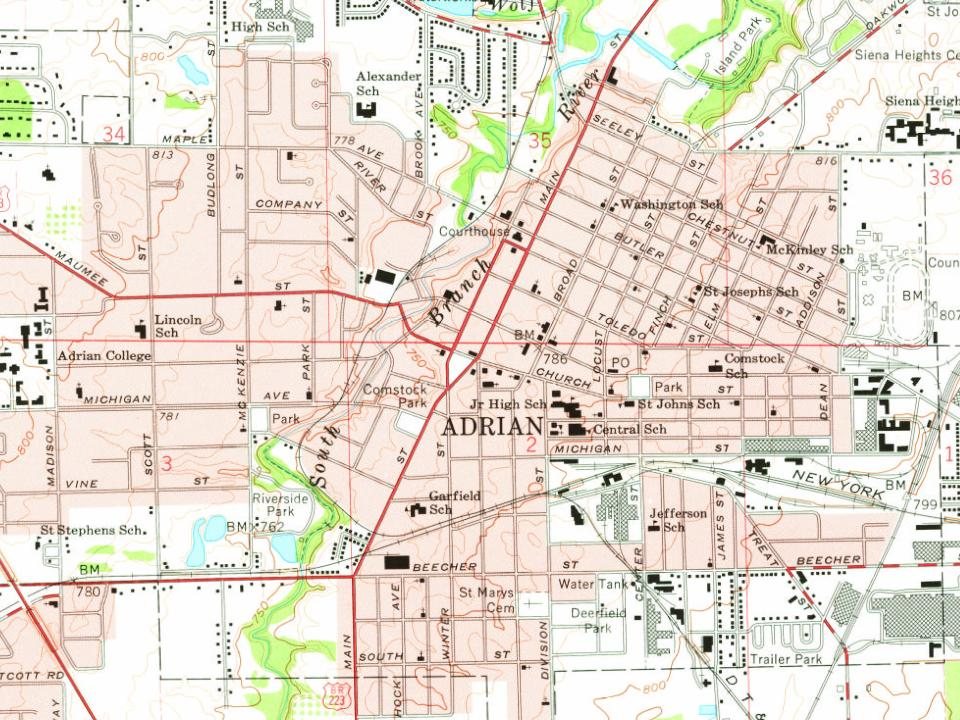
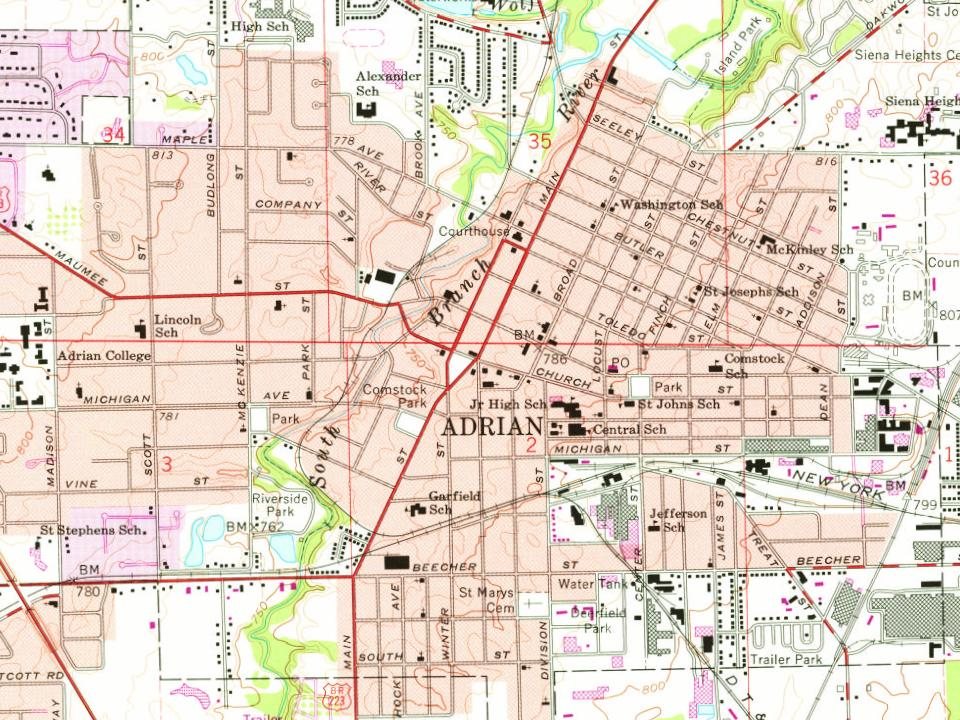
Every edition of the U.S. Geological Survey’s map of Adrian. Tap a year, or press play to watch the town change.
1962Adrian sheet · 1:24,000
U.S. Geological Survey historical topographic maps (public domain), via Esri’s collection of the scans. The red ring marks the center of Adrian.
Every building
Adrian, building by building, 1888–1916
Fire insurance maps drew every building, what it was made of and what it was used for, so insurers could price the risk of fire. Pick a year, then a sheet.
In 1826, according to Wikidata and Wikipedia’s history of the town. Adrian’s post office opened in 1828, and the census of 1850 counted 2,219 people here.
How does Adrian rank for history?
Adrian is more historic than 95% of U.S. towns, #30 of 701 in Michigan. The History grade combines the town’s founding era, the share of homes built before 1940 and its National Register listings. It’s a character grade, so it isn’t part of the overall grade. How it works.
What is on the National Register in Adrian?
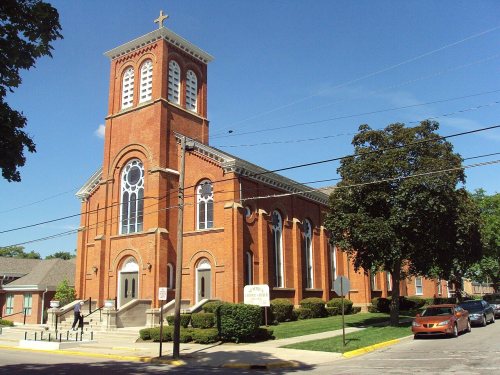
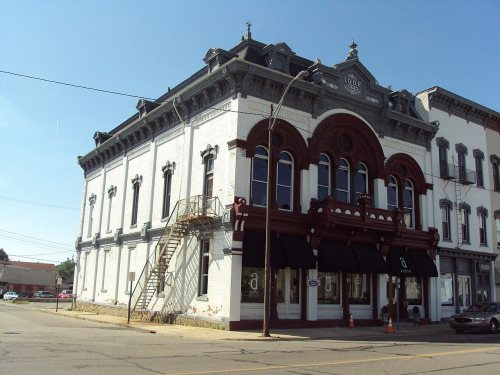
10 listings: 7 buildings, among them the Gov. Charles Croswell House (listed 1972, the first), 2 historic districts, the Dennis and State Streets Historic District and the Downtown Adrian Commercial Historic District, with 163 contributing buildings, and 1 object. 170 historic buildings in all.
How old are the homes in Adrian?
29% of Adrian’s homes were built before 1940 (Census estimate, ±3.8 points), against a typical 12% for a Michigan town; the median home was built in 1959.
Founding dates: Wikidata, Wikipedia, the U.S. post office records of Blevins & Helbock (CC0) and the Census. Homes by year built: Census ACS 2020–24. National Register of Historic Places: National Park Service (list of May 22, 2026). Old photos, postcards and papers: Wikimedia Commons, the Library of Congress and other public archives, credited on each item’s page. Maps: U.S. Geological Survey historical topographic maps (via Esri) and Sanborn fire-insurance maps (Library of Congress). History text and census tables: Wikipedia (CC BY-SA 4.0). Places that used to be: USGS Geographic Names Information System (2021).
From Wikimedia Commons (23), the Library of Congress (10), Wikidata (3), the National Register of Historic Places (10), Wikipedia, Wikidata and Wikipedia for famous people, U.S. Geological Survey historical maps, U.S. Census counts (via Wikipedia), the US Post Offices dataset (Blevins & Helbock), the USGS Geographic Names Information System, Sanborn fire insurance maps (Library of Congress) and old county and town histories (Internet Archive). Archive images are copied here with their credits and licenses, shown on each photo’s page. Refreshed monthly.


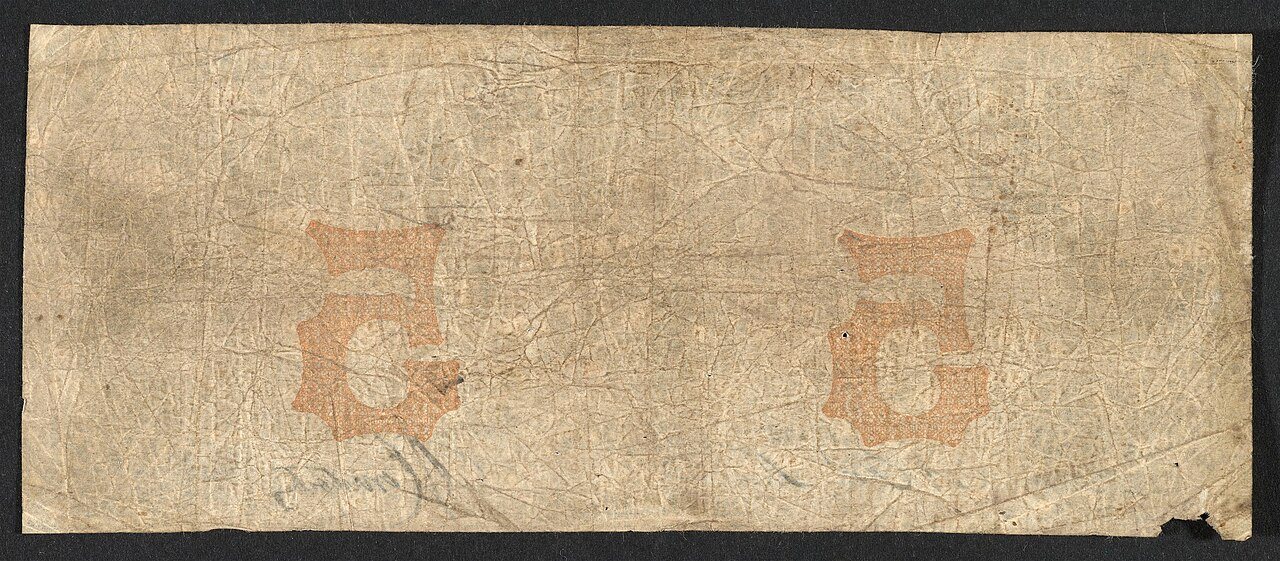
 1853
 1853
 1853
 1853
 1853
 1853
 1854
 c. 1855
 c. 1855
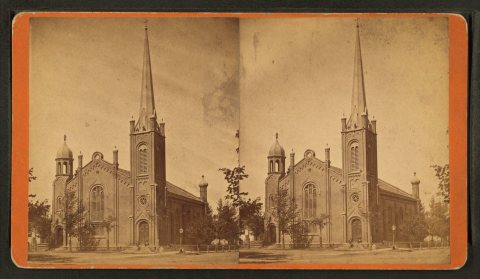 c. 1855
 1869
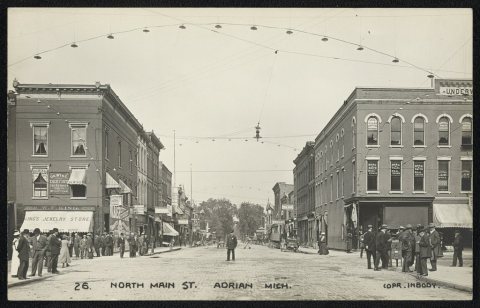 1911
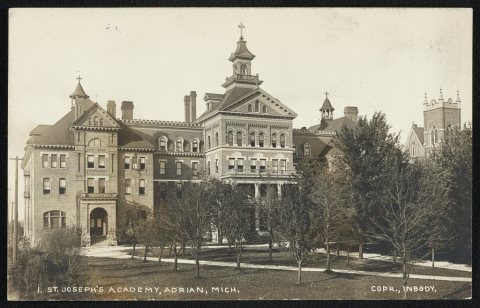 1911
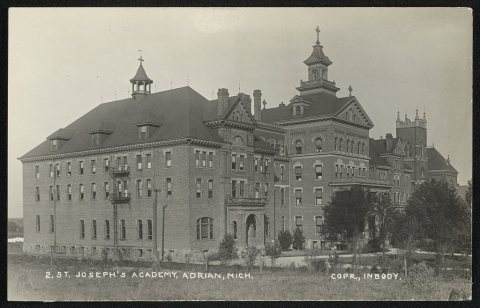 1911
 1911
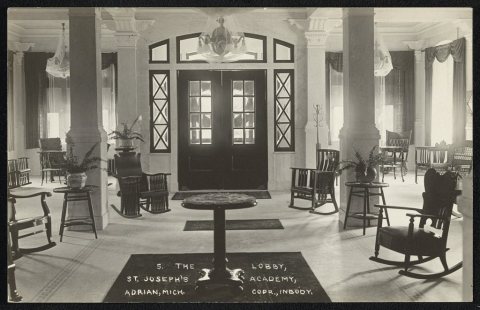 1911
 1911
 1911
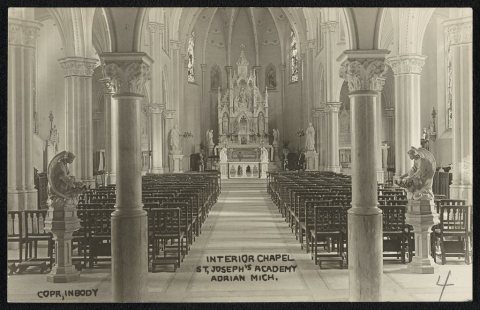 1911
 1911
 1911
 1963
 1988
 1988
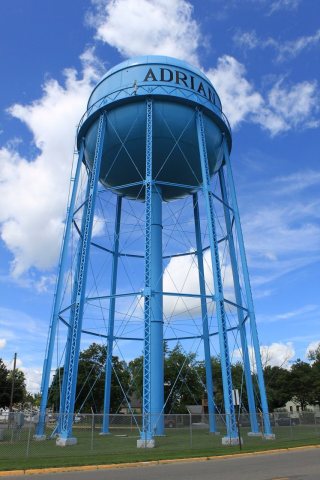 2011
 2011
 2011
 2011
 2011
 2010
 2010
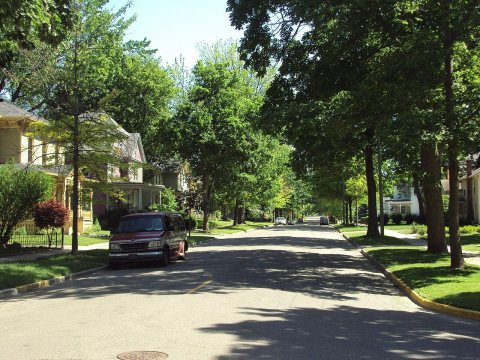 2010
 2010