More historic than 54% of U.S. towns · #278 of 283 in Massachusetts. What drives it
Most of Paxton was built recently: 10% of its homes predate 1940 and the median home dates from 1967. Below: 5 old photos and papers, maps from 1885 on, and the census since 1790.
Founding year: Wikidata; Wikipedia’s history section gives the same year. First post office: 1816.The full story ↓
History grade
What drives Paxton’s History grade
On its age, its old homes and the National Register, Paxton is more historic than 54% of U.S. towns, #278 of 283 in Massachusetts. Its age holds the grade up; its National Register listings pull it down.
B−
HistoryA character grade: shown, never part of Paxton’s overall grade.
Massachusetts towns list more on the Register than most of the country (a typical Massachusetts town has 46.0 per 10,000 residents, the U.S. 2.4), so Paxton’s 0.0 sits below most of its state (3% of Massachusetts towns have fewer) while its 0 listings outnumber those of 23% of U.S. towns.
How sure. Graded on any two of the three inputs instead, the letter would range from C− to A−. The pre-1940 share is a Census survey estimate (±3.7 points). Two sources give 1749.
Founding year: Wikidata (other dates in Quick answers). Homes: Census ACS 2020–24. National Register: National Park Service, May 2026 list; each listing counted once (boundary changes and added documentation belong to their listing), and a historic district counts its contributing buildings. How TownRatings grades history →
What stands out about Paxton’s past
Read from the archive, the National Register and the record. The page puts what stands out first.
Paxton was first settled by Europeans in 1749 and was officially incorporated in 1765. It was previously occupied by the Nipmuc tribe.
The district of Paxton was originally taken from the towns of Leicester and Rutland, in nearly equal parts, and was incorporated February 12, 1765. Charles Paxton, marshal of the Admiralty Court, offered a church bell to the town if it was named after him; no such gift was ever made. The inhabitants soon commenced their plan for building a meeting house, and on the first day of April 1765, the town voted to build it. It was raised on June 18, 1766, and this is the frame of the present meeting house.
Passages that mention Paxton, cut from the printed page as they were published.
The history of Paxton, Massachusetts1889 · page 42Read the page →
Read the text
1777 by the authorities of Paxton : Agreeably to late act of the Great and General Court of Massachusetts Bay To Prevent Monopoly antl oppresion ; The Selectmen and Committee of correspondence for the Town of Paxton have Agreed upon and affixed the Prices hereafter set down to the Following Articles in the Town of Paxton, Viz. : — Men's Labour at Farming Work in the months of July and August, 3 shill. per day ; The months of May, June and September, 2«. 3d. per
Text read by machine from the scan; it may contain errors.
The history of Paxton, Massachusetts1889 · page 36Read the page →
Read the text
besides the care of founding States was the added one of taking up arms to maintain them and establish liberty. In all of these serious affairs the new town of Paxton discharged all of her obligations with highest credit. In the earlier contests between the French and Indians this town furnished, in 1756, five men as her quota in a call for one thousand men from Worcester and Hampshire Counties.
Text read by machine from the scan; it may contain errors.
Historic homes and institutions and genealogical and personal memoirs of Worcester county, Massachusetts, with a history of Worcester society of antiquity1907Read the page →
Read the text
(6), was born at West Boylston, Massachusetts, May 7, 1853. He worked on his father's farm and attended the district schools during his youth. He settled in Paxton, Massachusetts, where he has carried on farming and a trucking business. He has been road commissioner of the town of Paxton for ten years and is active in town affairs. He is a Republican in politics. He and his family attend
Text read by machine from the scan; it may contain errors.
Scans and text from the Internet Archive. Books published in 1930 or earlier, which are in the public domain.
In 1749, according to Wikidata and Wikipedia’s history of the town. Paxton’s post office opened in 1816, and the first U.S. census counted 558 people here in 1790.
How does Paxton rank for history?
Paxton is more historic than 54% of U.S. towns, #278 of 283 in Massachusetts. The History grade combines the town’s founding era, the share of homes built before 1940 and its National Register listings. It’s a character grade, so it isn’t part of the overall grade. How it works.
How old are the homes in Paxton?
10% of Paxton’s homes were built before 1940 (Census estimate, ±3.7 points), against a typical 21% for a Massachusetts town; the median home was built in 1967.
Founding dates: Wikidata, Wikipedia, the U.S. post office records of Blevins & Helbock (CC0) and the Census. Homes by year built: Census ACS 2020–24. National Register of Historic Places: National Park Service (list of May 22, 2026). Old photos, postcards and papers: Wikimedia Commons, the Library of Congress and other public archives, credited on each item’s page. Maps: U.S. Geological Survey historical topographic maps (via Esri) and Sanborn fire-insurance maps (Library of Congress). History text and census tables: Wikipedia (CC BY-SA 4.0). Places that used to be: USGS Geographic Names Information System (2021).
From Wikimedia Commons (12), Wikipedia, U.S. Geological Survey historical maps, U.S. Census counts (via Wikipedia), the US Post Offices dataset (Blevins & Helbock), the USGS Geographic Names Information System and old county and town histories (Internet Archive). Archive images are copied here with their credits and licenses, shown on each photo’s page. Refreshed monthly.


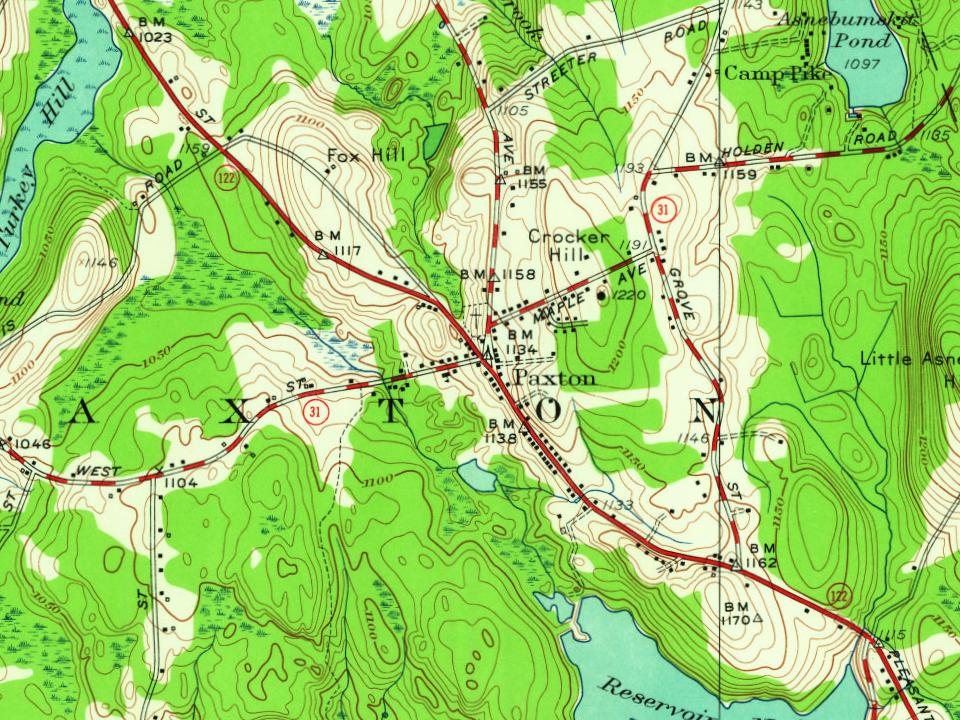
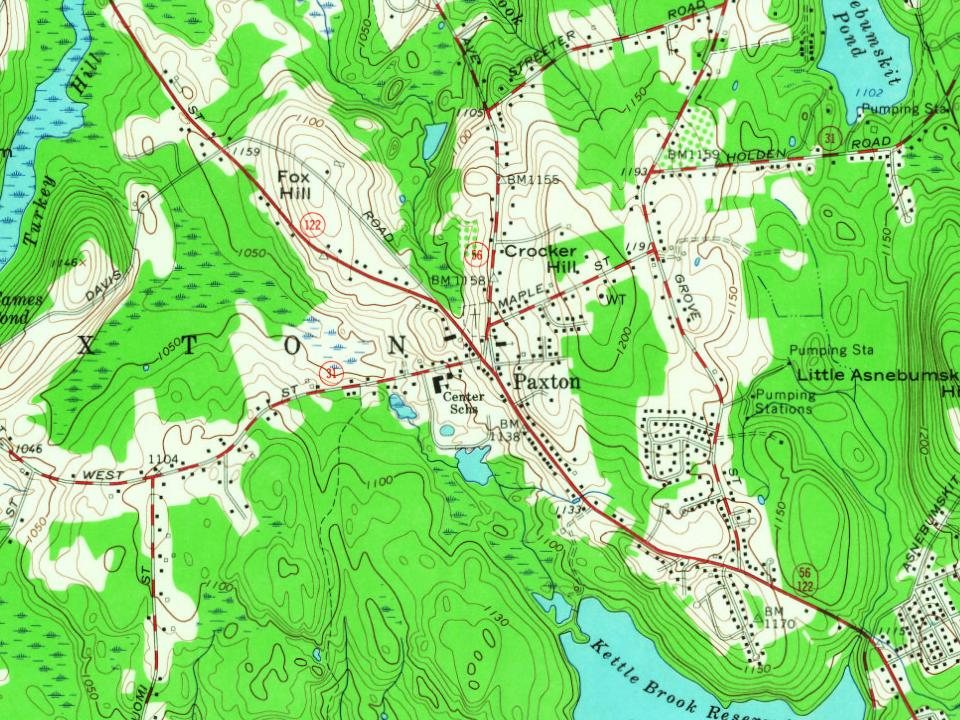

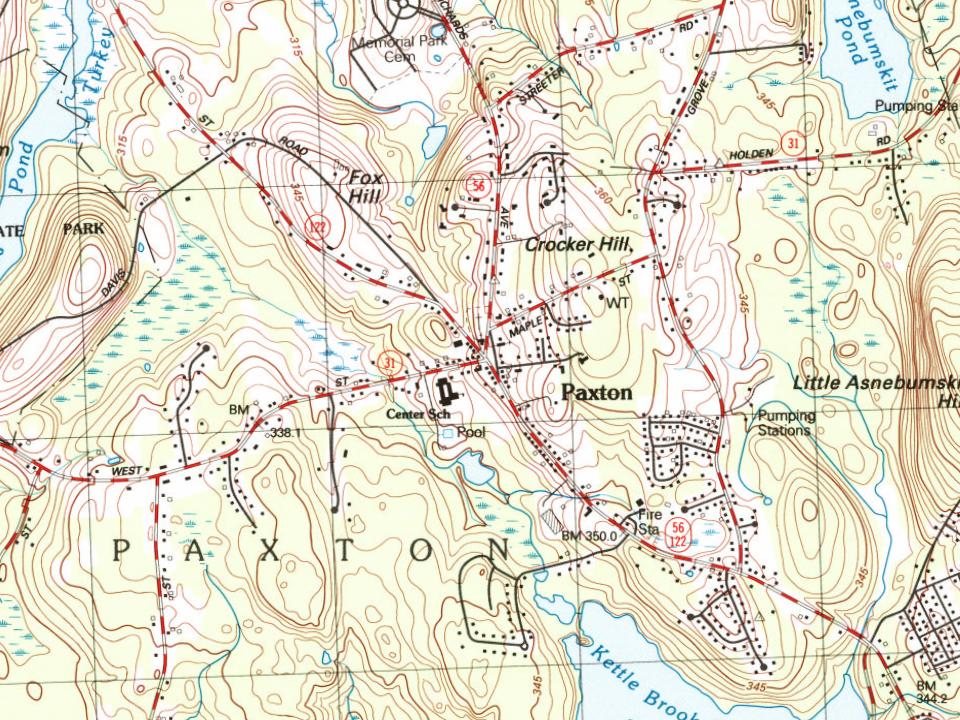


 Date?
 Date?
 Date?
 Date?
 Date?
 2018
 2015
 2012
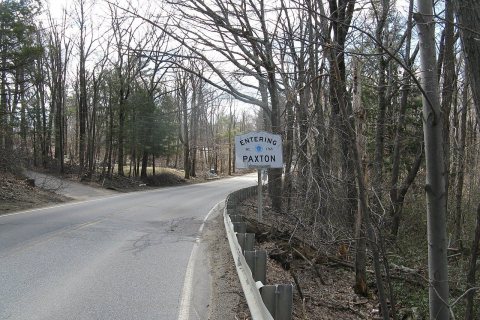 2009
 2008
 2007
 2007