
Seelyville-Fire-Station-in, 2020
Seelyville’s story
159 years in pictures
The archive holds 3 old photos and papers going back to 2020.
- 1867Seelyville is settled
Each edition grades its towns against each other only.

A town of 1,000, settled in 1867.
Seelyville’s best subject grades are an A for cost of living and an A− for civic life; its weakest is a C− for health. 16% of residents are under 18 in Seelyville, against 23% in Indiana’s towns and 22% across U.S. towns. Seelyville's schools rank behind 73% of the state's. Seelyville has fewer than 2,500 residents, so it gets subject grades but no overall grade.
Where Seelyville beats most towns.
In a town this size, neighbors are the best guide. Ask them anything.
Each subject compared with towns across the country (schools within Indiana), ordered by how far Seelyville is from typical.
How TownRatings grades towns →
The archive holds 3 old photos and papers going back to 2020.
Who provides power, water and the rest in Seelyville, and how to reach them.
EPA SDWIS (Oct 9, 2026) · HIFLD + EIA-861 2025 · Census 2020 ZCTAs · NCES 2024–25 · registration: vote.gov, updated Nov 18, 2024.
Ordered by what stands out in Seelyville.
The typical Seelyville home is worth about $152,000, about the same as a year ago, 41% below the Indiana typical home. Seelyville’s median rent is $821 a month, where Indiana’s towns sit at $947 a month and U.S. towns at $1,185 a month.
| Seelyville | Indiana towns | U.S. towns | |
|---|---|---|---|
| Median rent | $821 a month | $947 a month | $1,185 a month |
| Households that own their home | 72% | 76% | 73% |
Census ACS, 2020–24 · Zillow Home Value Index · Redfin Data Center
Seelyville beats the Indiana average on 0 of 32 CDC measures and trails it on 1. 20% of adults report frequent mental distress in Seelyville.
| Seelyville | Indiana towns | U.S. towns | |
|---|---|---|---|
| Frequent mental distress (CDC PLACES) | 20% | 18% | 17% |
| Obesity (CDC PLACES) | 42% | 39% | 35% |
| Smoke cigarettes (CDC PLACES) | 19% | 17% | 14% |
| Depression (CDC PLACES) | 28% | 26% | 23% |
| What stands out | Seelyville | IN |
|---|---|---|
| More adults with COPD | 9.9% | 8.1% |
CDC PLACES 2025 · modeled estimates for adults · CMS · HRSA
Most working residents leave Seelyville for work: only 2% work in town. Jobs based in Seelyville fell to 82 in 2023, 173 fewer than in 2013. The median household income in Seelyville is $57,000.
| Seelyville | Indiana towns | U.S. towns | |
|---|---|---|---|
| Working residents who work in town | 1.5% | 11% | 8% |
| Median household income | $57,000 | $71,000 | $80,000 |
| Average trip to work | 23 minutes | 24 minutes | 25 minutes |
Census LEHD 2023 · ACS
Seelyville has chilly winters and warm summers. July afternoons reach 86°, January nights drop to 21° and about 15 inches of snow falls in a winter.
NOAA U.S. Climate Normals, 1991–2020
Expected storm and flood damage is lower than in 59% of U.S. communities.
FEMA National Risk Index · OpenFEMA
Museums, parks, gardens and other places to visit around Seelyville. Close and well known come first.
 27 mi State parkTurkey Run State Park8 mi MuseumCANDLES Holocaust Museum and Education Center
 8 mi MuseumSwope Art Museum
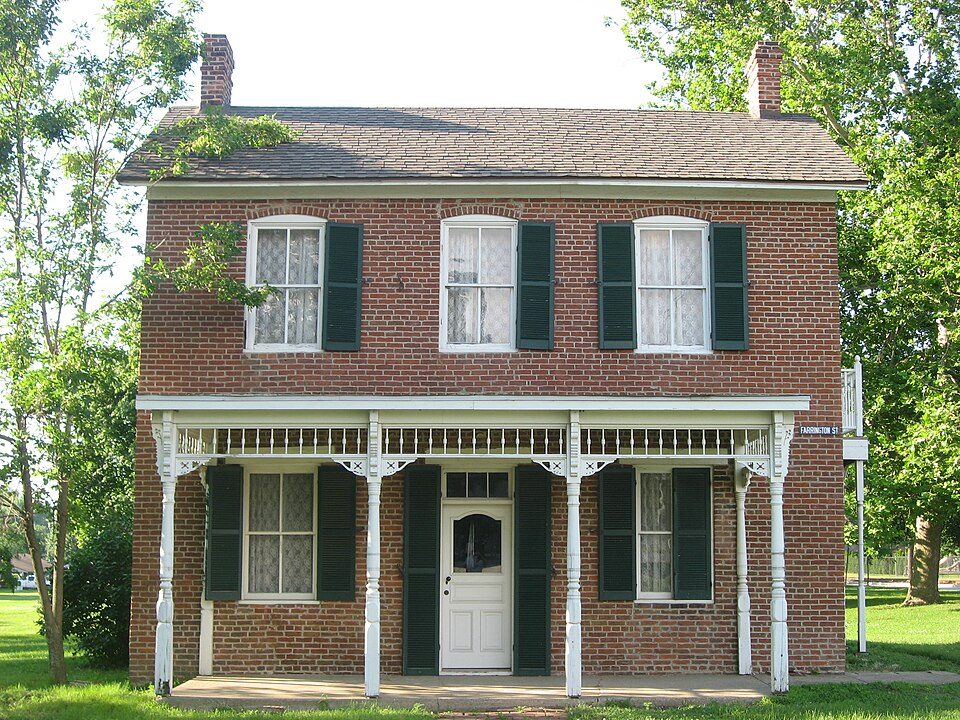 8 mi MuseumPaul Dresser Birthplace
 15 mi MuseumMansfield Roller Mill
Turkey Run State Park: Daniel Schwen, CC BY-SA 4.0 · Swope Art Museum: Colin Pizarek, CC BY-SA 3.0 · Paul Dresser Birthplace: Nyttend, Public domain · Mansfield Roller Mill: Nyttend, Public domain
3 within 15 miles of the center of Seelyville
About 2 of every 100 Seelyville residents are enrolled in college, against 6 across Indiana.
Where Seelyville’s working residents go each day. Line width shows the share.
Census LEHD 2023
Town in Indiana, United States
Seelyville is a town in Lost Creek Township, Vigo County, in the U.S. state of Indiana. As of the 2020 census, Seelyville had a population of 1,012. It is part of the Terre Haute Metropolitan Statistical Area.
From Wikipedia, licensed CC BY-SA 4.0 · facts via Wikidata (CC0)
Short answers, built from the data on this page.
Not for the area. Cost of living, which also weighs rents, property taxes and how many households pay 30% or more of their income for housing, grades A.


