Iroquois Township in pictures
Census counts: 1,003 in 1890, a peak of 1,828 in 1910, 1,250 in 2020. The archive holds 3 maps from 1962 on.
1 place on the National Register of Historic Places.
Explore the history →Each edition grades its towns against each other only.

A town of 1,261.
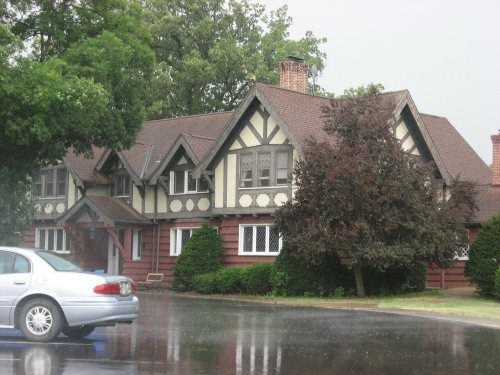
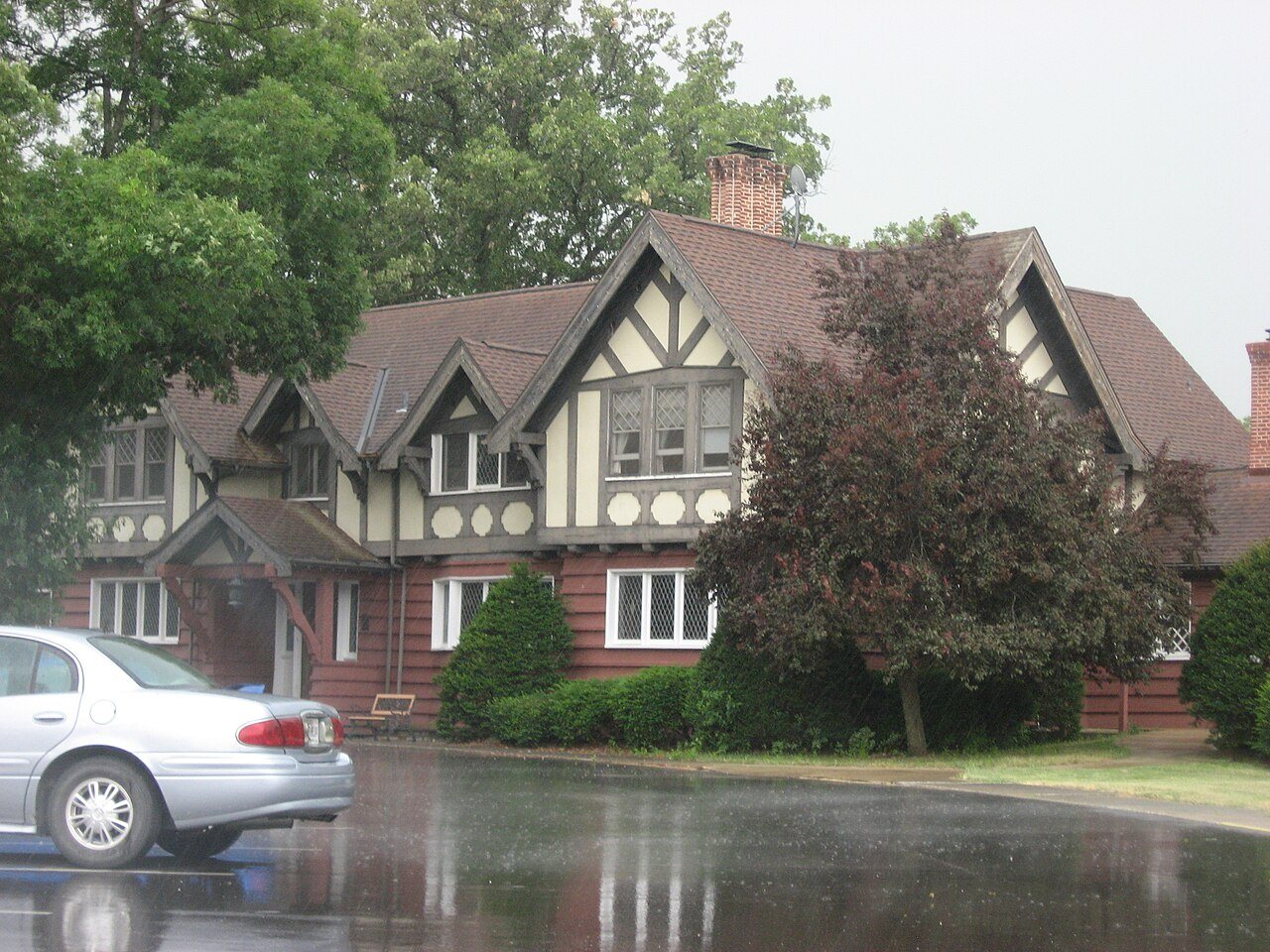
The best of Iroquois Township’s subject grades are an A+ for cost of living and an A for history and civic life; the weakest is a D for health. Most errands need a car: it is less walkable than 82% of U.S. towns. 13% of adults 25 and older hold a bachelor’s degree or more in Iroquois Township, below both Indiana’s towns (22%) and U.S. towns (29%). George Ade House is on the National Register of Historic Places. Iroquois Township has fewer than 2,500 residents, so it gets subject grades but no overall grade.
Where Iroquois Township beats most towns.
George Ade HouseIn a town this size, neighbors are the best guide. Ask them anything.
Each subject compared with towns across the country (schools within Indiana), ordered by how far Iroquois Township is from typical.
How TownRatings grades towns →
Census counts: 1,003 in 1890, a peak of 1,828 in 1910, 1,250 in 2020. The archive holds 3 maps from 1962 on.
1 place on the National Register of Historic Places.
Explore the history →Who provides power, water and the rest in Iroquois Township, and how to reach them.
EPA SDWIS (Oct 9, 2026) · HIFLD + EIA-861 2025 · Census 2020 ZCTAs · NCES 2024–25 · registration: vote.gov, updated Nov 18, 2024.
Ordered by what stands out in Iroquois Township.
Iroquois Township beats the Indiana average on 0 of 32 CDC measures and trails it on 11. 44% of adults have obesity in Iroquois Township, against 39% in Indiana’s towns and 35% across U.S. towns. 17% of Iroquois Township adults report frequent physical distress.
| Iroquois Township | Indiana towns | U.S. towns | |
|---|---|---|---|
| Obesity (CDC PLACES) | 44% | 39% | 35% |
| Frequent physical distress (CDC PLACES) | 17% | 15% | 14% |
| Fair or poor health (CDC PLACES) | 26% | 21% | 19% |
| Diabetes (CDC PLACES) | 15% | 13% | 12% |
| What stands out | Iroquois Township | IN |
|---|---|---|
| More older adults who have lost all their teeth | 22.1% | 15.4% |
| More adults with COPD | 10.8% | 8.1% |
| More adults with heart disease | 8.7% | 6.8% |
CDC PLACES 2025 · modeled estimates for adults · CMS · HRSA
Most working residents leave Iroquois Township for work: only 5% work in town. The average trip to work in Iroquois Township is 28 minutes. The top destinations are Kentland (10%), Goodland (8%) and Rensselaer (8%).
| Iroquois Township | Indiana towns | U.S. towns | |
|---|---|---|---|
| Average trip to work | 28 minutes | 24 minutes | 25 minutes |
| Median household income | $62,000 | $71,000 | $80,000 |
| Working residents who work in town | 5.1% | 11% | 8% |
| Below the poverty line | 11% | 10% | 9.6% |
Census LEHD 2023 · ACS
Iroquois Township has chilly winters and warm summers. July afternoons reach 84°, January nights drop to 17° and about 29 inches of snow falls in a winter.
NOAA U.S. Climate Normals, 1991–2020
Expected storm and flood damage is lower than in 62% of U.S. communities. Since 1986, 13 flood insurance claims have been paid out in Iroquois Township.
FEMA flood insurance claims · FEMA National Risk Index · OpenFEMA
| Biggest places to walk | Trails | Acres |
|---|---|---|
| 1. Brook Town Park | — | 1 |
Trails & parks © OpenStreetMap contributors · Conserved land: USGS PAD-US
None within 15 miles of Iroquois Township; the nearest are
About 1 of every 100 Iroquois Township residents are enrolled in college, against 6 across Indiana.
Where Iroquois Township’s working residents go each day. Line width shows the share.
Census LEHD 2023
Township in Indiana, United States
Iroquois Township is one of ten townships in Newton County, Indiana, United States. As of the 2020 census, its population was 1,250 and it contained 530 housing units.
From Wikipedia, licensed CC BY-SA 4.0 · facts via Wikidata (CC0)
Short answers, built from the data on this page.
Not for the area. Cost of living, which also weighs rents, property taxes and how many households pay 30% or more of their income for housing, grades A+.