Sleepy HollowIL
A town of 3,122, settled in 1958.
Is Sleepy Hollow a good place to live?
Yes, by almost any measure. Sleepy Hollow earns an A+, 14th of 767 graded towns in Illinois. Crime is low: it reports less per resident than 97% of U.S. towns, the median household earns $150K, and it is healthier than 86% of U.S. towns. Its lowest mark, a C, is in cost of living. Sleepy Hollow’s middle household income is $150,000, above both the Illinois town median ($83,000) and the median of U.S. towns ($80,000). Only 2 of Illinois’ 1,285 towns score higher on hazard risk. The biggest park or preserve is Jelkes Creek Bird Sanctuary, at 40 acres.
What makes Sleepy Hollow stand out
Where Sleepy Hollow beats most towns.
1 miles of trails in Sleepy Hollow
10.6% of the town is conserved land, across 5 parks and preserves.
How Sleepy Hollow grades
Each subject compared with towns across the country (schools within Illinois), ordered by how far Sleepy Hollow is from typical.
How TownRatings grades towns →
Wrigley Field and 132 more within 40 miles
Museums, parks, gardens and other places to visit around Sleepy Hollow. Close and well known come first.
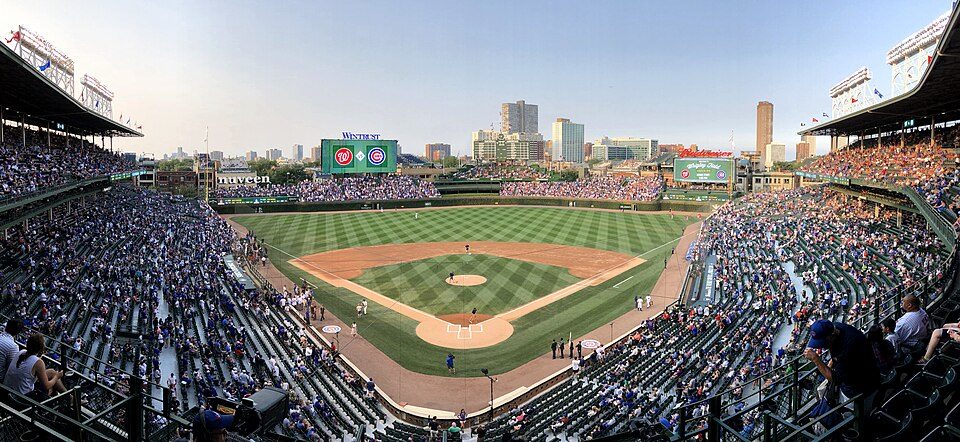 Big draw35 mi Stadium & arenaWrigley Field
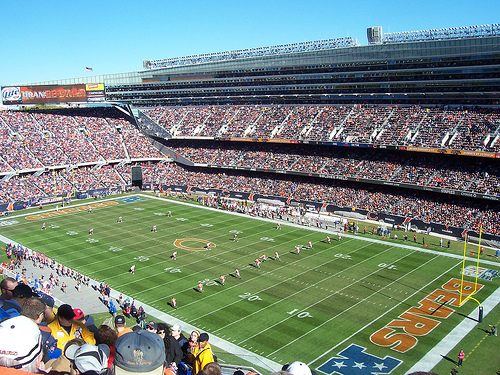 Big draw39 mi Stadium & arenaSoldier Field
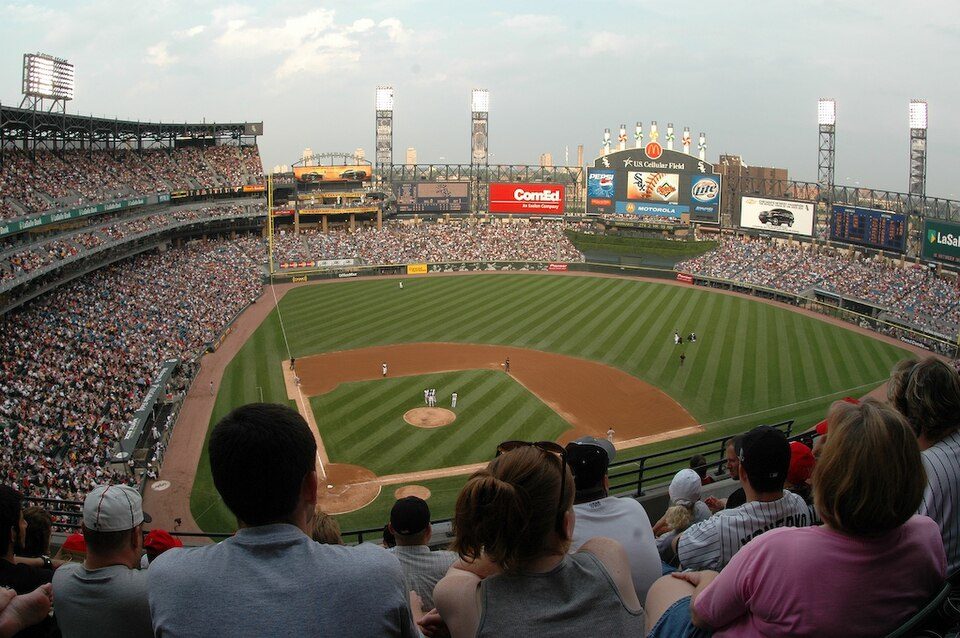 Big draw39 mi Stadium & arenaRate Field
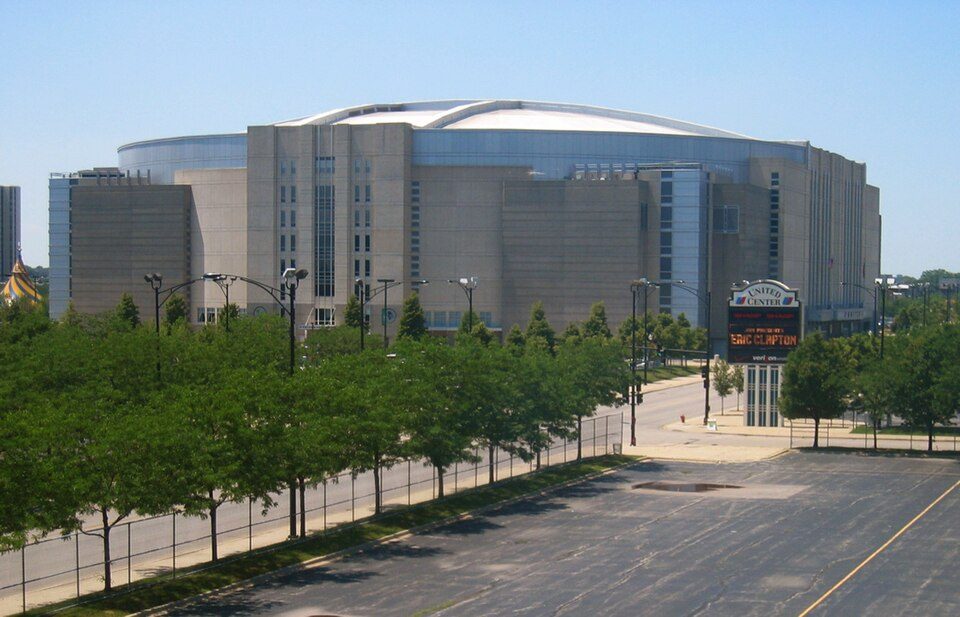 Big draw36 mi Stadium & arenaUnited Center
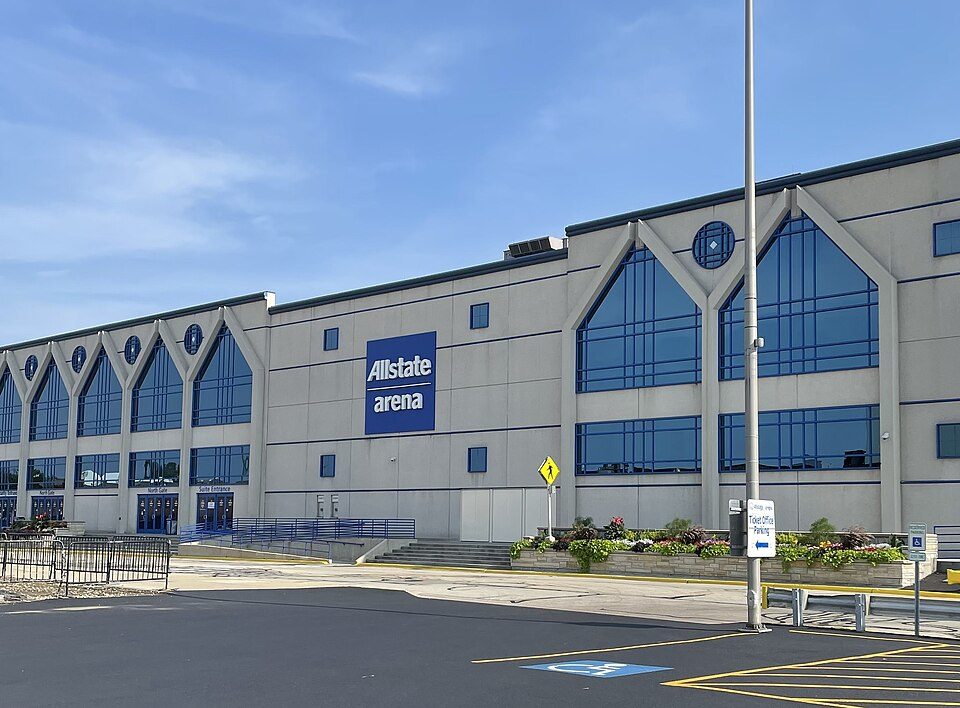 23 mi Stadium & arenaAllstate Arena
 Big draw27 mi Theme parkSix Flags Great America3.0M visitors a year
Photo credits
Wrigley Field: Ryan Dickey, CC BY 2.0 · Soldier Field: Photo by Joon Han Contact: [email protected], CC BY-SA 3.0 · Rate Field: User Enoch Lai on en.wikipedia, CC BY-SA 3.0 · United Center: User:JeremyA, CC BY-SA 2.5 · Allstate Arena: Nkon21, CC BY-SA 4.0 · Six Flags Great America: Feather Better, CC BY 4.0


Moving to Sleepy Hollow: who provides what
Who provides power, water and the rest in Sleepy Hollow, and how to reach them.
EPA SDWIS (Oct 9, 2026) · HIFLD + EIA-861 2025 · Census 2020 ZCTAs · NCES 2024–25 · registration: vote.gov, updated Sep 12, 2025.
The data
Ordered by what stands out in Sleepy Hollow.
Sleepy Hollow carries less natural-hazard risk than nearly all of Illinois (mostly inland flooding), has less food insecurity than most of Illinois and sends most of its workers to Elgin and beyond.
Sleepy Hollow’s typical home value is about $483K
The median property tax bill is $8,661, against $5,298 across Illinois, another input to its cost-of-living grade.
Home values are up 4.8% over the year to September 2026. Sleepy Hollow: 93% of households own their home. In Sleepy Hollow, the typical rent is $1,363 a month.
| Sleepy Hollow | Illinois towns | U.S. towns | |
|---|---|---|---|
| Households that own their home | 93% | 75% | 73% |
| Median rent | $1,363 a month | $1,128 a month | $1,185 a month |
Typical home value
Census ACS, 2020–24 · Zillow Home Value Index · Redfin Data Center
For safety, Sleepy Hollow earns an A+
Violent crime is rare: 0 reported in 2025, 0 per 1,000 residents.
Sleepy Hollow’s property offense rate stands at 1.9 per 1,000 residents.
| Sleepy Hollow | Illinois towns | U.S. towns | |
|---|---|---|---|
| Property crimes per 1,000 (2025) | 1.9 per 1,000 residents | 7.9 | 9.9 |
| Violent crimes per 1,000 (2025) | 0 per 1,000 residents | 1 | 1.6 |
Violent crime per 1,000 residents
Property crime per 1,000 residents
FBI crime data, 2025 · crimes reported to police
Compared with most of Illinois and the rest of the country, the FEMA risk score in Sleepy Hollow is lower
FEMA rates its natural-hazard risk lower than 100% of Illinois towns, with expected losses of about $1,138 per resident a year; that rating is what its A+ for hazard risk is built on.
Paid flood insurance claims in Sleepy Hollow since 1990: 2. Expected losses in Sleepy Hollow break down as 47% from inland flooding and 25% from tornadoes. Federal disaster aid has reached households in Sleepy Hollow after 5 declared disasters, most recently in 2013.
FEMA flood insurance claims · FEMA disaster declarations and aid · FEMA National Risk Index · OpenFEMA
For health, Sleepy Hollow earns an A
Its widest gap with Illinois is food insecurity: 8.8% of its 2,644 adults worry about having enough food, against 15.9% statewide. Against the 2,753 U.S. towns with household incomes like Sleepy Hollow’s, it is less healthy than 58%: its national edge comes with its incomes.
In Sleepy Hollow, 30% of adults feel lonely, and 9.9% smoke cigarettes. CDC measures, 32 in all: Sleepy Hollow beats Illinois on 10 and trails on 1. 14% of adults report frequent mental distress here.
| Sleepy Hollow | Illinois towns | U.S. towns | |
|---|---|---|---|
| Frequent mental distress (CDC PLACES) | 14% | 17% | 17% |
| Feel lonely (CDC PLACES) | 30% | 33% | 33% |
| Smoke cigarettes (CDC PLACES) | 9.9% | 13% | 14% |
| Sleep under 7 hours (CDC PLACES) | 32% | 35% | 36% |
| What stands out | Sleepy Hollow | IL |
|---|---|---|
| Fewer adults facing food insecurity | 8.8% | 15.9% |
| Fewer adults facing housing insecurity | 7.9% | 13.2% |
| More adults who have had cancer | 10% | 7.6% |
CDC PLACES 2025 · modeled estimates for adults · CMS · HRSA
Fewer of Sleepy Hollow’s working residents work locally than in the typical Illinois or U.S. town
Sleepy Hollow has 210 jobs for its 1,493 working residents: even if every job went to a resident, most would still commute out.
The top destinations are Elgin (17%), Chicago (10%) and Schaumburg (6%). Jobs based in Sleepy Hollow grew to 210 in 2023, 72 more than in 2013. Its typical journey to work comes in at 34 minutes. Half of commuters travel less than 15 miles.
| Sleepy Hollow | Illinois towns | U.S. towns | |
|---|---|---|---|
| Average trip to work | 34 minutes | 26 minutes | 25 minutes |
| Working residents who work in town | 0.1% | 8.4% | 8% |
| Below the poverty line | 4.7% | 8.4% | 9.6% |
| Work from home | 15% | 11% | 11% |
Where working residents work
Census LEHD 2023 · ACS
More middle-aged adults than Illinois overall
The median household earns $149,813, against $83,390 across Illinois, one input to its A for jobs and income.
The share of residents in Sleepy Hollow who are 65 or older: 22%. Adults 35 to 64 are 47% of residents (39% statewide); children under 18 are 14% of residents (22% statewide). The midpoint age for Sleepy Hollow comes to 52.3 years. Among adults 25 and older, 47% have a four-year degree or more, against 38% across Illinois.
| Sleepy Hollow | Illinois towns | U.S. towns | |
|---|---|---|---|
| Median age | 52.3 years | 40.7 years | 40.5 years |
| Under 18 | 14% | 22% | 22% |
| Bachelor’s degree or more, 25+ | 47% | 29% | 29% |
| Aged 65 or older | 22% | 19% | 18% |
Ages · share of residents
Education · adults 25 and older
Women and men · all residents
50% women, 50% men
That’s an even split within the survey’s margin of ±3.6 points. Across Illinois, 50.6% of residents are women.
| Sleepy Hollow | IL | U.S. | |
|---|---|---|---|
| Under 10 | 5.2% | 11.5% | 11.6% |
| 10 to 17 | 8.7% | 10.4% | 10.3% |
| 18 to 24 | 9.8% | 9.1% | 9.1% |
| 25 to 34 | 7.1% | 13.6% | 13.7% |
| 35 to 44 | 8.8% | 13.3% | 13.2% |
| 45 to 54 | 16.9% | 12.4% | 12.2% |
| 55 to 64 | 21.2% | 12.8% | 12.7% |
| 65 to 74 | 14.6% | 10% | 10.2% |
| 75 and older | 7.7% | 7% | 7% |
| No diploma | 4.6% | 9.5% | 10.4% |
| High school | 19.7% | 25.1% | 26% |
| Some college | 19.7% | 19.2% | 19.1% |
| Associate’s | 8.8% | 8.3% | 8.8% |
| Bachelor’s | 29.6% | 22.6% | 21.6% |
| Graduate | 17.6% | 15.3% | 14.1% |
U.S. Census Bureau · ACS 2020-2024 5-year estimates · in a town of 3,100, single groups can be off by several points
In Sleepy Hollow, expect four seasons and pleasant summers
A winter brings about 32 inches of snow, with January nights at 15° and July afternoons at 84°.
Typical low → high °F
NOAA U.S. Climate Normals, 1991–2020
Sleepy Hollow has set aside 10.6% of its land for conservation
There are 0.8 miles of trail across 5 parks and preserves. Parks and preserves in Sleepy Hollow: 5, covering 102 acres.
| Biggest places to walk | Trails | Acres |
|---|---|---|
| 1. Jelkes Creek Bird Sanctuary | 0.4 mi | 40 |
| 2. Jelkes Creek Forest Preserve | — | 37 |
| 3. Sabatino Park | — | 18 |
Trails & parks © OpenStreetMap contributors · Conserved land: USGS PAD-US
Everything we know about Sleepy Hollow
Colleges nearby
5 within 15 miles of the center of Sleepy Hollow
About 5 of every 100 Sleepy Hollow residents are enrolled in college, about the same as Illinois.
100% of working residents leave Sleepy Hollow for work
Where Sleepy Hollow’s working residents go each day. Line width shows the share.
Census LEHD 2023
About Sleepy Hollow
Village in Illinois, United States
Sleepy Hollow is a village in Kane County, Illinois, United States. The population was 3,214 at the 2020 census.
From Wikipedia, licensed CC BY-SA 4.0 · facts via Wikidata (CC0)
- Established
- 1958
- Area
- 2.0 sq mi
Sleepy Hollow’s neighbors
2 towns share a border with Sleepy Hollow.
| Town | IL rank | Overall | Cost | Safety | Schools | Health |
|---|---|---|---|---|---|---|
| Sleepy Hollow | #14 | A+ | C | A+ | B+ | A |
| West Dundee | #240 | A− | D | B | B+ | A |
| Elgin | #526 | C+ | C | B− | C+ | B |
Questions about Sleepy Hollow
Short answers, built from the data on this page.
Is Sleepy Hollow, IL a good place to live?
Yes, by almost any measure. Sleepy Hollow grades A+ overall, among the top 2% of U.S. towns and #14 of 767 in Illinois. It grades A for health, A+ for safety and B+ for schools.
Is Sleepy Hollow, IL safe?
Yes, by national standards. Sleepy Hollow reports less crime per resident than 97% of U.S. towns, an A+ Safety Grade: 0 violent and 6 property crimes in 2025.
Is Sleepy Hollow, IL expensive?
That is 5.3 years of the area's median household income ($90,887 across the Chicago-Naperville-Elgin, IL-IN metro area). Cost of living, which also weighs rents, property taxes and how many households pay 30% or more of their income for housing, grades C.